Chief Product Officer United States
Count the hours before promising anything
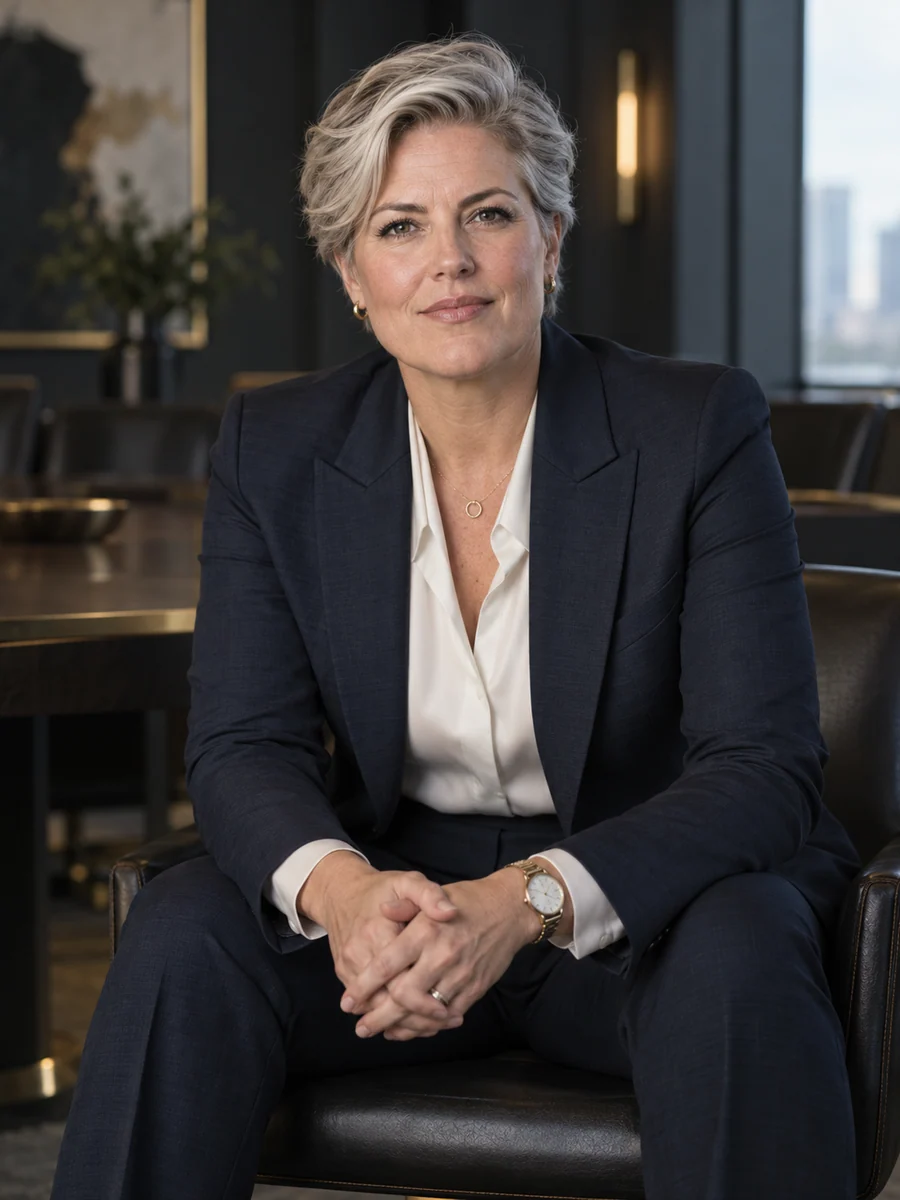
The radio in the Wendcastle Trucking dispatch office was louder than the telephone, and on a winter morning in 2002 both were going at once. A driver hauling steel coil had been held at a mill gate for five hours, the receiver two states away was closing at three, and the broker wanted to know why the truck had not moved. I was twenty-three, a geography graduate from Calverdun State University with a good sense of road networks and no sense yet of how a driver's day was actually spent. My manager handed me the logbook and asked me to count the hours before I promised anybody anything.
That habit has followed me for twenty-five years. At Wendcastle, a family flatbed carrier with about eighty-five trucks, I dispatched loads, kept paper logs reconciled and, by 2004, led the night desk. I saw what owner-operators leased to us paid for fuel advances and how often they could not say what those advances had cost them by the end of a month.
In 2005 I joined Carrowbrook Systems in Omaha as an implementation consultant. We sold dispatch and billing software to carriers with fifty to five hundred trucks, and my job was to make it work in their offices. I visited more than forty terminals in four years, usually arriving the week before go-live and leaving the week after. The lesson was humbling: a screen that tested well with office staff often failed in the yard, because drivers and night dispatchers had neither the time nor the patience for it. I moved into product analysis in 2007 and began writing requirements from what I had watched rather than from what customers asked for in meetings.
Velmarsh Fleet Payments in Dallas hired me in 2009 as a product manager for fuel cards and driver pay cards. Payments taught me that a fee a customer cannot see is still a fee they will eventually resent. I worked with compliance colleagues and our bank partner on disclosures, card controls and disputes, and I learnt to bring the person who handles complaints into a pricing discussion before launch, not after. The dispute logs were the most honest research I had ever read.
From 2013 to 2018 I was at Tallowrun Telematics in Indianapolis, first as a senior product manager and later as group product manager for its driver logging application. Those were the years when most interstate carriers moved from paper logs to electronic logging devices. My team designed the screens drivers used to change duty status, review their remaining hours and correct errors with a carrier's approval. I learnt how drivers feel about a device that records their working day, and how quickly trust disappears when location data is used for purposes they were never told about.
I joined Ostervane as vice president of product in July 2018, when it had about 3,100 paying carriers. Its founders had built a load and invoicing app for small fleets; my mandate was to make it dependable enough that a four-truck owner could run the business from it. We built offline document capture, brought dispatcher seats into the subscription without extra charge and moved pricing from seats to trucks. In March 2022 I became chief product officer, reporting to our chief executive, Ruth Lomenzo.
I lead through written decisions. Every significant product change at Ostervane has a one-page note that states what the carrier sees, what it costs them, which data it uses and who disagreed. I ask researchers to spend time in truck stops and small carrier offices, not only on video calls, and I still take a support shift each quarter. The five directors who report to me would say I am slow to approve anything a driver must touch while the truck is moving, and quick to remove a step that only exists for our convenience.
I present product and pricing decisions to Ostervane's board each quarter and report to its audit and risk committee on our payments programme and location data. I have not served as a director. I would like to bring the questions I ask about defaults, data and fees to a board that oversees products sold to small businesses, where the customer often has less time and fewer advisers than the company serving them.
Open to Board appointments
Languages / English · Spanish (working knowledge)
A leadership conviction
A small carrier's owner reads our screens in a truck stop at two in the morning, or between a fuel receipt and a broker's call. Whatever we put in front of that person must be true at a glance: what a fee costs in dollars, whether the hours exist to reach an appointment, and who can see the truck's position. If the software is only clear to someone with time to study it, it is not clear enough for the people paying for it.
- Paying carrier accounts
- 12,400
- June 2026; fleets of one to twenty-five trucks
- Trucks run on the platform
- 43,000
- Customer fleets, not company assets
- Company revenue, 2025
- US$88.4M
- Subscriptions and advance fees; not my budget
Education & credentials
- Bachelor of science in geography
- Calverdun State University · 2001
Perspectives from colleagues
Morgan argued against me on the broker's location request and was right. She brought the revenue at risk to the board herself, in the first paragraph, which is why we trusted the rest of her recommendation.
She sat in my office for a morning and watched my dispatcher and me do the paperwork. A few months later the screens changed, and the advance fee showed up as dollars instead of a percentage nobody had time to work out.
On the night desk she would not promise a delivery time until she had counted the driver's hours. Brokers grumbled, but drivers asked to be dispatched by her.