Chief Human Resources Officer India
Following the promise beyond the personnel record
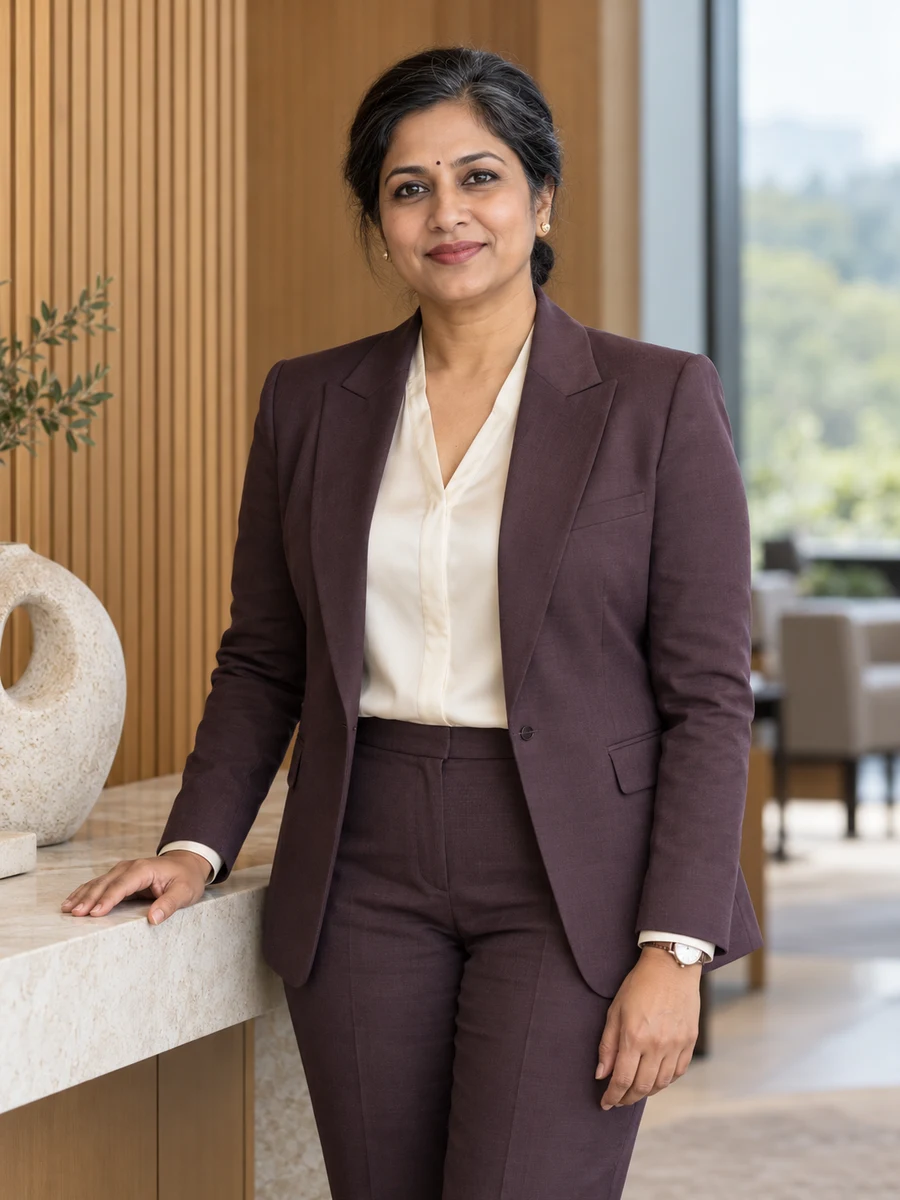
I completed a sociology degree at Pernuli Arts College in May 2002 and joined Nerquvi Field Services in Cuttack the following month. The business coordinated regional installation and maintenance teams. I worked in personnel administration under an HR manager, maintaining joining records, answering routine questions and following unresolved items with payroll and supervisors. My first lesson was that an employee's difficulty could sit between two functions. A manager could have approved a journey while finance had not released the money, leaving the person expected to travel to solve the gap privately.
I did not have authority to change terms or approve expenditure in that first role. I gathered the relevant record and took the question to the person who did. That work taught me to distinguish a promise from an intention. An employee might reasonably remember what a supervisor had said, while the system reflected a narrower arrangement. The answer required understanding what had actually been agreed and who could correct the record. I learned to avoid giving an easy reassurance before the responsible people had established what the company could and should do.
In April 2007 I became a people partner for field operations. I worked with supervisors on employment cases, joining arrangements and the practical demands of assignments outside the office. Leading four colleagues by departure meant turning individual follow-up into a process others could use. I also learned that a policy could be technically available while difficult for employees to access in time. The right question was not only whether an expense could eventually be claimed, but whether the person had the means to undertake the required journey without supplying the company's working cash.
I joined Talquri Hearing Services as learning and people-operations manager in April 2012. Hearing care required particular respect for professional boundaries. I organised employment and learning administration, while qualified leaders determined clinical scope and readiness. Attendance at a course could be recorded by HR; it did not by itself establish competence for a professional task. The business also employed administrative colleagues who helped people navigate appointments and records. I wanted their contribution described accurately without either diminishing it or allowing a broad title to imply clinical authority they did not hold.
The head-of-people appointment followed in April 2017. I led twelve colleagues by the end of that role and worked across a growing centre network. Acquisitions and changes in systems made the difference between an agreed term and its implementation more visible. A transfer document might preserve service for particular company benefits, while a default date in the receiving system erased that history. I learned to ask how the employee's record would be checked after the transaction, not simply whether the integration checklist said the people had been loaded successfully.
I became CHRO in April 2022. Today nineteen HR colleagues work through three managers within ₹3.8 crore annual function expense. Talquri employed 420 people in March 2026 and recorded ₹78 crore FY 2025–26 revenue. Company compensation and benefits expense was ₹28 crore, managed with finance and separate from my own budget. An overseas service parent owns 65% and an employee trust 35%; I am a trust beneficiary. Ranjan Mervqali is CEO and Anjali Zerquni is clinical director. I present employment matters to directors but have no statutory seat and no clinical qualification.
The acquisition case required me to acknowledge a transfer check I had signed off too quickly. Twenty-nine of 84 employees had lost agreed service credit for specified company benefits in the system. Restoring it cost more than the integration forecast had shown. The field-travel review exposed another omission:32 of 75 colleagues had personally advanced an aggregate ₹3.6 lakh. Reimbursement eventually reaching them did not mean the arrangement was workable. We funded a controlled float and changed the approval process rather than ask staff to keep absorbing the timing difference.
The role-title review concerned what the organisation invited others to assume. Sixteen administrative roles shared the hearing-consultant label with twenty qualified clinical posts. We changed the administrative title and descriptions while retaining pay and grade, and left professional scope with the clinical director. The work cost money and required managers to explain why a clearer title was not a demotion. I speak Odia, Hindi and English. My next contribution should continue to connect employment decisions with their practical consequences, while developing the governance understanding needed before any first outside board appointment.
Open to Board appointments · Executive opportunities
Languages / Odia · Hindi · English
A leadership conviction
I look for the practical obligation behind an employment statement. Service credited in an offer should survive entry into a new system. Required travel should not depend on an employee's private cash balance. A job title should help a colleague understand their responsibility rather than invite work they are not qualified to perform.
- HR colleagues
- 19
- Three managers; ₹3.8 crore annual function expense
- Company employees
- 420
- March 2026; eleven centres and outreach support
- People-function experience
- 24 years
- Field-service personnel work to hearing-care CHRO
Education & credentials
- Bachelor of Arts in Sociology
- Pernuli Arts College · 2002
Perspectives from colleagues
Sasmita asked us to show the cost of the transfer terms we had agreed, even when the receiving system and integration budget suggested a simpler answer.
She worked with us to separate administrative contribution from professional authority, and explained the title change to colleagues without treating it as a loss of value.