Chief Product Officer India
The next screen did not always mean the person understood
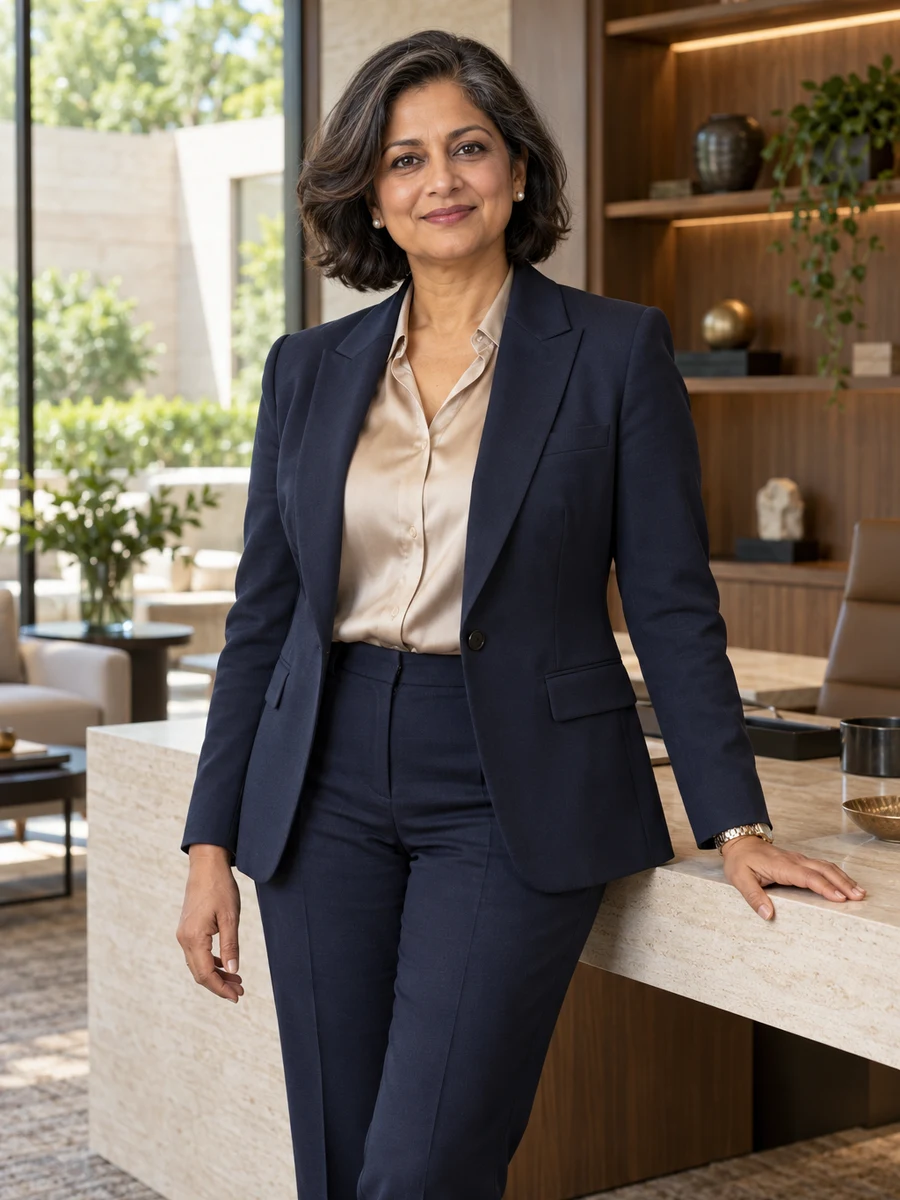
I began as a service researcher, watching how people worked through decisions that designers had already made look simple. A short path could hide a question the person had not understood. A clean screen could remove the context needed to correct a mistake. I later became the person approving those choices, and one of my own designs made an optional extra look like part of the base proposition. That experience is central to how I now judge product progress.
After completing design studies at Delzqavri Design Institute in May 1998, I joined Navzqeri Service Design in June. I worked in a six-person research group under supervision. My role was to observe and document how people used a proposed service, not approve a client’s commercial terms. I learned to distinguish what someone said they understood from what they actually did in a task. A participant could continue confidently while carrying a different expectation from the one the team believed the screen communicated.
In April 2005 I became a design lead, managing eleven colleagues within ₹1.2 crore annual delivery expense. Client product budgets and professional approvals remained separate. I worked on translating research into decisions about the journey rather than treating observations as decoration for a presentation. The important question was often which assumption the team would change after seeing a difficulty. I wanted to remain accountable after a design handover, including when the product’s operating constraints made a convenient interaction harder to revise.
Qazvrelthi Health Assurance appointed me product manager in April 2011. Fourteen colleagues worked within ₹3.8 crore annual function expense. I had to learn the boundaries between an application experience and the insurance decisions it supported. A clearer screen could help a person express a choice or supply information, but it could not create cover, determine a premium or replace professional underwriting. Service colleagues also showed me what happened when the journey appeared finished while the customer still carried an unresolved question into a later conversation.
I became head of customer products in April 2017, leading twenty-two employees within ₹6.9 crore annual expense. In 2019 I approved a quotation design that preselected an optional extra. Research with thirty-six participants showed that twenty-four treated it as part of the base proposition. I withdrew the design and accepted another iteration instead of defending the shorter path. The correction required a deliberate choice and a visible total, with the professional proposition unchanged. It was a product decision about how the customer acted, not an exercise in rewriting the insurer’s terms.
Since April 2022 I have been CPO, reporting to CEO Farhan Qezvrali. Four heads lead twenty-nine product employees within ₹9.6 crore annual function expense. Service head Leena Vazqelri helps examine the experience after a product handover. In 2023 we worked with assisted users whose application sessions ended before they could finish. In 2025 we tested a household-draft removal action that could affect the wrong person. Both cases required the product to support recovery and review, rather than count every additional interaction as friction to eliminate.
The insurer has 880 employees and twenty-one branches. Its FY 2025–26 gross written premium is ₹1,680 crore, which is not revenue, profit or my product budget. Founders hold 51 percent, a domestic fund 34 percent and an employee vehicle 15 percent. My 0.15 percent beneficial interest is within that vehicle. I have no statutory seat. I present management product accounts to directors when invited, while underwriting, pricing, claims, clinical, legal and security professionals retain their own responsibilities. A product title does not make me the final authority over the commitments the interface helps a person consider.
I would consider a mandate where the organisation measures whether people can make and correct a meaningful choice, alongside whether the journey works efficiently. A possible outside contribution would need preparation and relationship assessment before acceptance. Twenty-two annual days are an initial capacity proposal, not a promise made without the board calendar. I would want an experienced chair who values questions about customer control while leaving product execution with management. The work I value is not adding steps for their own sake. It is keeping the step that lets a person understand, take more time or reverse an unintended draft action before the organisation treats their interaction as settled.
Open to Board appointments · Executive opportunities
Languages / Hindi · English
A leadership conviction
A shorter journey is useful only if the person can still understand and control the decision it asks them to make.
- Product employees
- 29
- Four heads; professional insurance decisions separately owned
- Annual product-function expense
- ₹9.6 crore
- Distinct from company premium and insurance commitments
- Service research and product responsibility
- 28 years
- Customer choice, accessible timing and reviewable changes
Education & credentials
- Bachelor of Design
- Delzqavri Design Institute · 1998
Perspectives from colleagues
Ritika changed a design she had approved when the default obscured the customer’s choice. The research altered the decision rather than decorate it.
She kept the people who still needed assistance in the product account. Recovery and review were treated as part of the journey we had to support.