Free reading, synthetic narration and a producer's large cheque all arrive looking like answers. Each is really a question about who pays and who gives something up. A reading company lives on authors who keep writing and readers who keep returning; I test every strategic option against both, and I write down which of them bears the cost before the board decides.
Selected works
Decisions in context.
I
Making older completed titles free while keeping new serials paid
By late 2021 free, advertising-funded reading apps had taken much of the casual readership in China.
I decide which stories we sell, give away, license or voice by asking what each route costs the readers and authors who keep a reading catalogue alive.
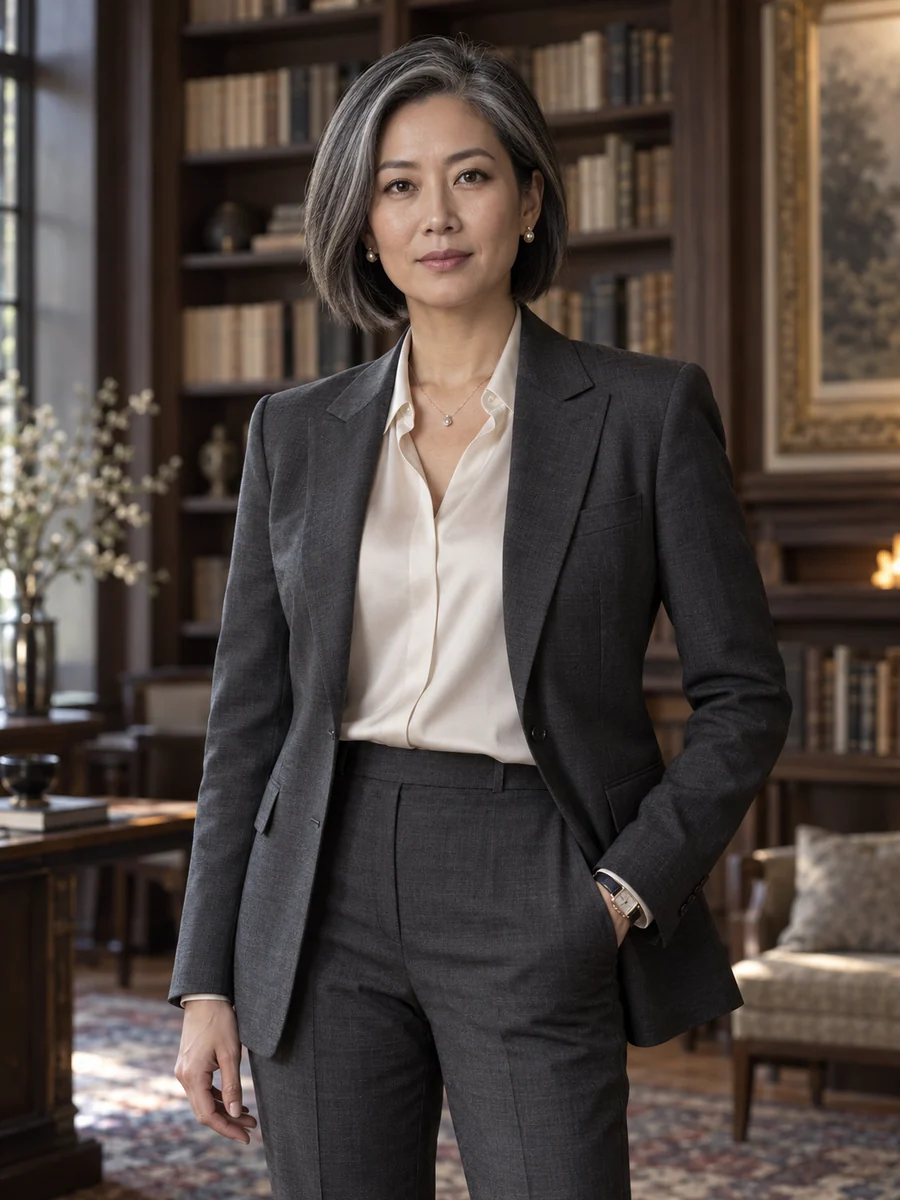
I am chief strategy officer of Qiaoyuting Digital Reading Company in Chengdu. We publish serialised online fiction and e-books, produce audio adaptations and license adaptation rights to short-drama producers and overseas publishers. Revenue was RMB684 million in 2025, with RMB41 million operating profit; 740 colleagues work with 16,800 contracted authors. I lead a team of 24 in research and planning, rights licensing and overseas partnerships, and I report to our chief executive and co-founder. I attend the board as an executive invitee, not as a director.
My working life began in 2002 in the planning office of a municipal cable-television operator during the move from analogue to digital service. I then spent six years at a company packaging on-demand video channels for cable and IPTV operators, and five years assessing digital investments for a state-owned provincial publisher. Each taught me something about a distribution channel I did not own: cable households cancel when the bill rises, an operator decides where a supplier's content appears, and a state-owned partner thinks in decades and in content review.
The three decisions I describe here each changed how a story reaches a reader. We opened a free, advertising-funded tier for older completed titles while keeping new serials paid. We licensed short-drama rights one title at a time rather than accept a joint venture with a committed minimum of RMB60 million. We introduced synthetic narration for the backlist only, with author and narrator consent and every track labelled. In each case a colleague I respected argued the other way, and part of their argument survived in what we did.
A free tier that left new serials paid
From April 2022, 21,400 completed titles older than two years became free with advertising. Monthly active readers rose from 9.4 million to 23 million by June 2026; advertising brought RMB176 million in 2025. Paying members fell to 1.71 million before recovering to 1.9 million.
Short-drama rights licensed title by title
We declined a joint venture offering RMB60 million over three years for exclusive first access to the catalogue. Instead, 74 titles went to twelve producers under separate licences, earning RMB46 million in 2025, with authors approving every adaptation outline.
Synthetic voices with consent and labels
Since September 2025, 6,100 backlist titles have been voiced with models licensed from 23 narrators who can withdraw. New serials still use human narrators, and our human commissioning budget stayed above RMB30 million.
Current focus
I am reviewing how our licensing and audio decisions should change as short-drama producers consolidate and as synthetic narration improves. My working answer is that rights should become easier to buy and harder to buy exclusively.
Conversations I welcome
I would consider one non-executive board seat or a defined advisory role with a content, publishing or consumer-subscription company in China, allowing about twenty-four days a year, subject to my employer's consent and a conflicts review.
The leadership record
Trusted with consequential decisions.
Formation
Bachelor of economicsQuwanxi University · 2002
Xinyi brings me the case against her own recommendation before I can ask for it. On the free tier she was right about authors when I was thinking only about readers.
Shiyun RaoChief executive and co-founder, Qiaoyuting Digital Reading CompanyThe full record ↗
Contact
I would consider one non-executive board seat or a defined advisory role with a content, publishing or consumer-subscription company in China, allowing about twenty-four days a year, subject to my employer's consent and a conflicts review.