The person behind the perspective
I learnt the business beneath the programme
I began my career checking that somebody else's programme could go to air. At Corvenna Audio, the small details were visible immediately: a missing release, an interview that ran longer than its slot, or a script whose timing had been estimated by someone who had not read it aloud. I was not choosing the editorial line. I was learning how many practical commitments sit beneath a piece of work that sounds effortless to its listener. That apprenticeship gave me a lasting respect for production colleagues whose judgement is easiest to notice when something has gone wrong.
I completed media and communications at Brialden Institute in June 1999 and joined Corvenna in August. As a production assistant, I prepared running orders, organised recording material and supported producers under clear supervision. The company made spoken-word programmes for commissioning clients. Its survival depended on delivering agreed work reliably, rather than assuming that enthusiasm for a subject would make the production budget expand. I learnt to keep the editorial ambition and the available production time in the same conversation.
In January 2003, I became a producer. I managed a slate of commissioned programmes with approximately A$1.4 million in annual production budgets, drawing on a small permanent team and freelancers. I was accountable for the work within that slate, not for the company's entire revenue. I negotiated schedules, clarified deliverables and escalated rights questions when a client wanted material reused beyond the original agreement. The experience made me wary of treating an archive as free inventory merely because the recording already existed.
I moved to Wattlever Broadcasting in July 2007 to lead audience operations for a regional network. The role took me away from a single programme and towards the pattern of use across a week. We examined when listeners returned, what they could find easily and where promotional activity produced a temporary spike without a lasting relationship. I worked alongside editorial and commercial colleagues without assuming that audience analysis should dictate the content of a report. Listening habits could inform the product while leaving room for journalism whose value was not immediately popular.
In March 2012, I became general manager for a cluster of four regional stations. The business had approximately A$18 million in annual revenue and eighty-five staff within my remit. I was responsible for the operating account, local commercial management and production capacity, reporting to the network CEO. This was my first role in which a promise made by sales, a programming change and a staffing decision could all meet in the same financial result. I learnt to ask what each team had assumed another team would absorb.
I joined Tessara Regional Media as chief operating officer in May 2016. Its regional publications were developing paid digital products while maintaining a mix of advertising, print and audio activity. The work required common definitions before it required a common dashboard. A registered user was not a paid subscriber, an account could serve more than one reader, and introductory starts were not evidence of renewal. I helped the operating teams make those distinctions visible so that publication leaders could compare choices without erasing the different conditions in their towns.
The board appointed me CEO in September 2020. Tessara's controlling trust gives the enterprise an enduring publishing purpose, but it does not remove the need for a commercial account. The company employs people, pays suppliers and must decide which commitments it can maintain. I report to a separate chair and hold one executive board seat. The editor-in-chief retains responsibility for editorial decisions under our internal charter. My authority over resources does not make me the final arbiter of what every newsroom should conclude.
Several decisions since then have tested that distinction. We accepted fewer introductory subscription starts when a clearer offer produced better retention in the observed cohorts. We retained a reporting team with a stated, time-bounded subsidy rather than describing it as a hidden commercial success. We declined sponsorship terms that would have given a funder approval over related coverage. We also reduced the proposed size of an archive product when the permissions review showed that existing possession did not settle every reuse question.
None of these decisions made the wider economics of regional publishing easy. A publication can serve a place well and still need a difficult conversation about funding. A useful membership offer can disappoint readers who expected something else. An editorial boundary can carry a measurable revenue consequence. I prefer an account that keeps those tensions visible, because colleagues can then challenge the actual choice rather than a story in which purpose and performance always happen to agree.
After twenty-seven years in audio and publishing, I remain interested in the work between a first visit and a lasting relationship. That work includes a reliable product, a clear subscription, reporting worth returning to and a business prepared to protect editorial judgement when it becomes inconvenient. My ambition is to make those conditions durable enough that a newsroom does not need a new commercial exception every time it follows a difficult story.
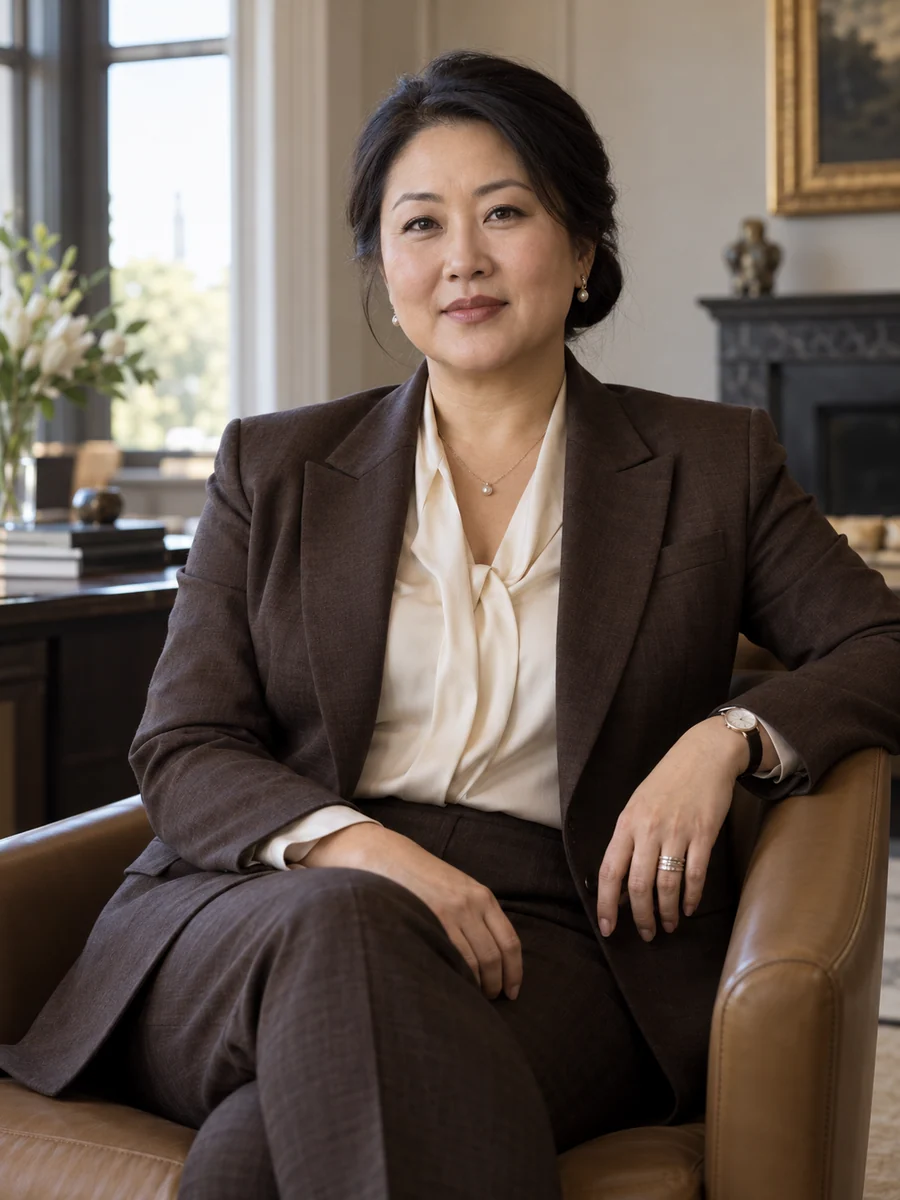
In my own words
A publisher's commercial choices should make sustained reporting possible without purchasing control over the conclusion.
Nerissa Valcote
Education
Formation
- Degree in media and communicationsBrialden Institute1999
Working languagesEnglish