Seventeen duplicate purchase orders were created by an integration I had approved. Their combined face value was ₹34 lakh, and they were cancelled before any goods were supplied against them. We spent ₹13 lakh repairing the process. This happened in 2018, when I led IT at Qelvethi Workshop Furniture. The integration interpreted a repeated request as a new order when the response to the earlier attempt was missing. It confused another attempt to communicate a decision with another decision to buy. That distinction has shaped my work more than any installation milestone.
I was born in 1970 and grew up in Lucknow. I speak Hindi and English and am now based in Meerut. I completed computer engineering at Qevmashi Computing College in June 1992 and joined Vezruthi Business Systems the following month. The firm employed 68 people and recorded ₹6.8 crore revenue for FY ending March 1993. I worked as an analyst in a six-person delivery team under a project manager, without staff or expenditure authority. My early work involved understanding how a customer described a transaction before translating it into a system requirement.
In July 1997 I became project manager. Vezruthi had 190 employees and ₹31 crore revenue for FY 1998. I led fourteen people, managed ₹1.1 crore annual project operating expense and reported to the delivery director. The responsibility moved beyond writing a requirement to organising the people who would interpret, test and deliver it. I learned that a customer demonstration could be convincing while leaving unanswered what happened when a response was late, a user changed or the normal sequence broke. These were business questions expressed through technical behaviour.
I joined Qelvethi in September 2003 as IT manager. The manufacturer made metal workshop benches and storage cabinets, employed 320 people and recorded ₹88 crore revenue for FY 2004. I led eleven IT colleagues with ₹1.8 crore annual operating expense, reporting to the CFO. Working inside a manufacturer changed my relationship with implementation. I remained responsible after the launch, when purchasing, stores, production and finance had to live with the consequences of a design. An error could cross several functions even when the software owner considered its own part complete.
In April 2011 I became head of IT, reporting to the CEO. Qelvethi employed 510 people and recorded ₹176 crore revenue for FY 2012. I led 24 colleagues through three leads, with ₹5.2 crore annual operating expense. The purchasing incident occurred during this appointment. I had accepted an assurance about retrying communication without adequately examining the business consequence of receiving the same intended order again. Cancelling the duplicate commitments prevented supply against them, but it did not recover our repair expenditure or remove my responsibility for approving the design.
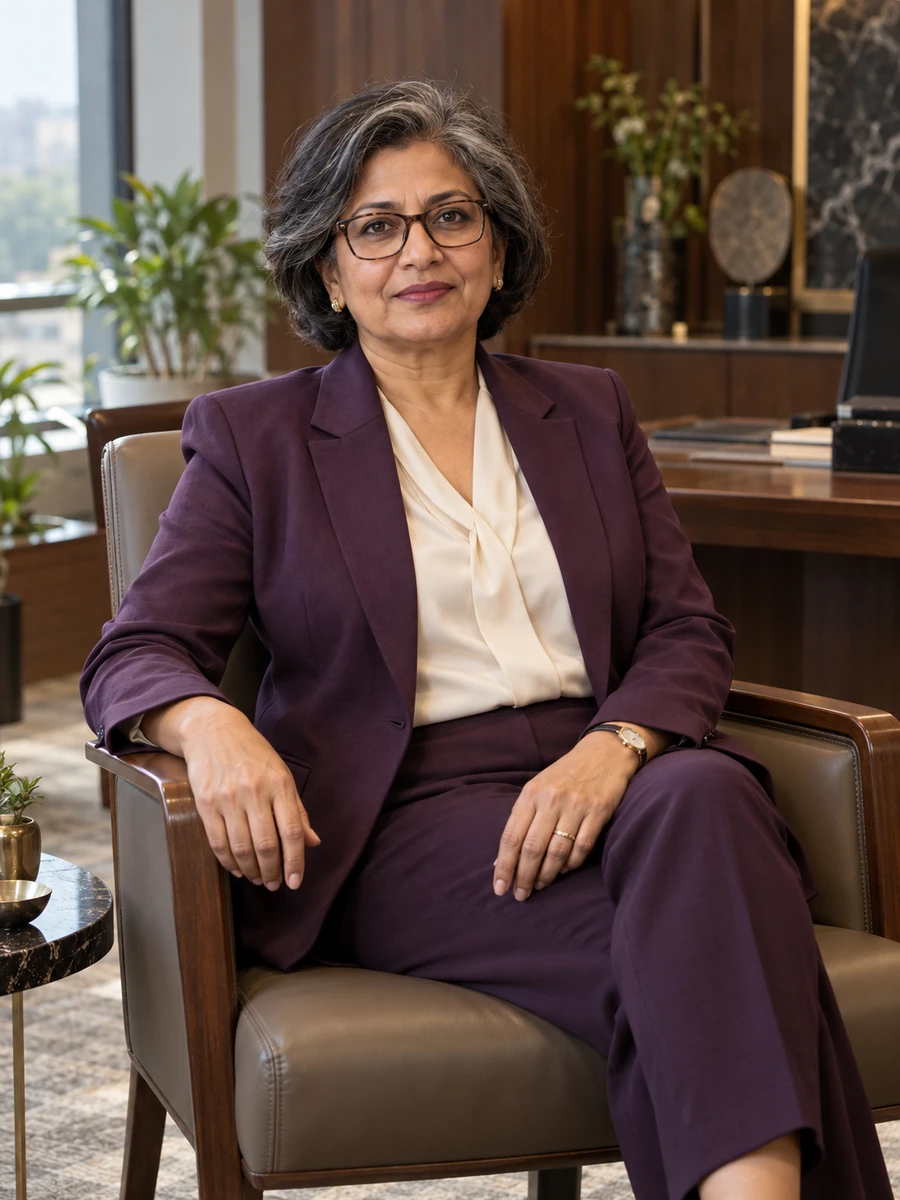
I became CIO in January 2021. My current team has 39 colleagues through four heads, with ₹9.4 crore annual operating expense and ₹3.2 crore capital separately approved. The enterprise employs 750 people in Meerut and Saharanpur and recorded ₹280 crore revenue and ₹21 crore operating profit for FY 2026. Founders hold 60% and an industrial fund 40%; I own no shares. I report to Vivek Tevqashi. Shalini Neqvashi leads operations, and purchasing, financial approval and production decisions retain their authorised owners.
The later cases tested different boundaries. A 2022 recovery rehearsal brought systems back by hour six but completed the agreed business flow only at hour twenty-nine, measured from the same start. We funded a ₹71 lakh programme to address the dependencies exposed. In 2023 an offline inventory pilot allowed two requests for eight and seven units to proceed against a shared twelve-unit balance. The requests exceeded that balance by three. Twenty-two of 160 reviewed request pairs conflicted, so we held the pilot with ₹39 lakh already spent. The test finding was not an actual short shipment or proof of a physical stock loss.
In 2024, forty-four of 120 sampled shared-terminal entries could not be attributed to an individual from the available record. We funded a ₹48 lakh programme that considered identity and the practical conditions of using the terminal. We did not label those entries fraudulent or equate the person entering data with the business approver. The following year, seven of 26 scheduled jobs reviewed during a supplier exit still depended on a vendor service identity. A ₹32 lakh transfer programme addressed ownership and execution dependencies without treating technical possession of credentials as commercial permission.
I have presented systems matters through the CEO but have not served as a director. My fictional preparation includes February 2026 IICA registration and a September proficiency-assessment pass. Neither is represented as appointment eligibility. I would consider a first outside contribution with a provisional twenty-six-day capacity, subject to consent and qualified review. I would bring experience in examining what an enterprise believes its systems have done, while learning its economics and responsibilities beyond technology. The most useful question is often whether a completed technical event still represents the decision the business intended to make.