The person behind the perspective
I learned to ask what the employment arrangement makes possible.
I began in a factory personnel office where the shift register was more familiar to me than the product catalogue. In June 1991, after completing my commerce degree at Vedasravan College, I joined the fictional Sarunvitha Formulations as a personnel officer. I dealt with joining records, leave queries and the practical arrangements around changing shifts. I was not trained as a pharmacist or an engineer. That distinction mattered then and still matters: understanding how work is organised does not confer authority to judge its scientific adequacy.
The factory taught me to notice where a formal arrangement stopped making sense to the person using it. A supervisor might have enough names on a roster but not enough experienced colleagues on a particular shift. An employee could be following the process for raising a problem and still find nobody willing to make a decision. My early contribution was to establish the facts, speak with the people involved and take the issue to someone with the right authority. I learned not to turn every unresolved question into a matter of individual attitude.
In September 1996 I became personnel manager at the same business. The role included a small team, consultation with employee representatives and an annual function budget. I began attending operating reviews and saw how employment decisions were shaped before they reached the personnel office. A planned product change could alter staffing needs. A new supervisor might inherit responsibilities that had never been explained. I learned to ask about these dependencies early, rather than wait for the people function to be handed a final timetable and asked to make it work.
I moved to Anvethra Pharmaceuticals in April 2003 as head of people for its Hyderabad manufacturing location. The company was building a broader formulations business and needed more consistent plant-level employment practices. I worked alongside production, quality and engineering leaders, each of whom had a different view of what dependable staffing required. My mandate was not to flatten those differences into one convenient model. It was to make them explicit enough for management to choose, fund and explain a workable arrangement.
During those years I became concerned about the careers available to experienced technical colleagues. We could offer a promotion into supervision more easily than we could describe a more senior individual contribution. Some employees wanted to manage people; others accepted because they could see no alternative. The result was not always good for them or for their teams. I began collecting examples with the technical leaders. The eventual specialist structure came later, but its origin was the recognition that our grading system was making a choice about what kind of contribution counted.
I became vice president for people and organisation in January 2010, with responsibility across the company’s sites. That wider role also exposed the limitations of some ideas I had supported. The attendance-linked supervisor award introduced in 2014 seemed administratively clear. In practice it gave employees a reason to delay discussing illness and supervisors a reason to value an uninterrupted record too highly. We withdrew the criterion and reviewed the affected decisions. I do not regard that as evidence of a successful first design. It is a mistake that changed how I ask about the likely consequences of a reward proposal.
I accepted the CHRO role in July 2018. My work now includes organisation design, senior appointments, technical career structures and the employment implications of manufacturing investment. I report to CEO Meera Sadvithan and present people matters to the board’s nomination and remuneration committee in an executive capacity. I have no current directorships. The committee exposure has helped me distinguish a management recommendation from the questions a board should ask about its assumptions, cost and consequences.
The 2021 specialist review gave us a more concrete way to recognise technical contribution. It also forced difficult decisions: eighteen of eighty-four colleagues entered assessed specialist grades, while the rest needed an explanation of what had and had not been demonstrated. The 2023 line expansion raised a different issue. Moving all the experienced people requested by the new unit would have weakened the existing operation. We accepted a later start and funded overlap rather than describe an internal transfer as free capacity.
At this stage of my career, I value a precise mandate more than a larger title. My seventy-four-person function has a ₹31 Cr annual delegated expense envelope, separate from group payroll and capital investment. I want the responsibilities within that remit to be visible. I remain a people leader working with technical professionals, not a substitute for their judgement. The question I return to is whether the company’s employment choices allow those professionals to carry the responsibilities on which the business depends.
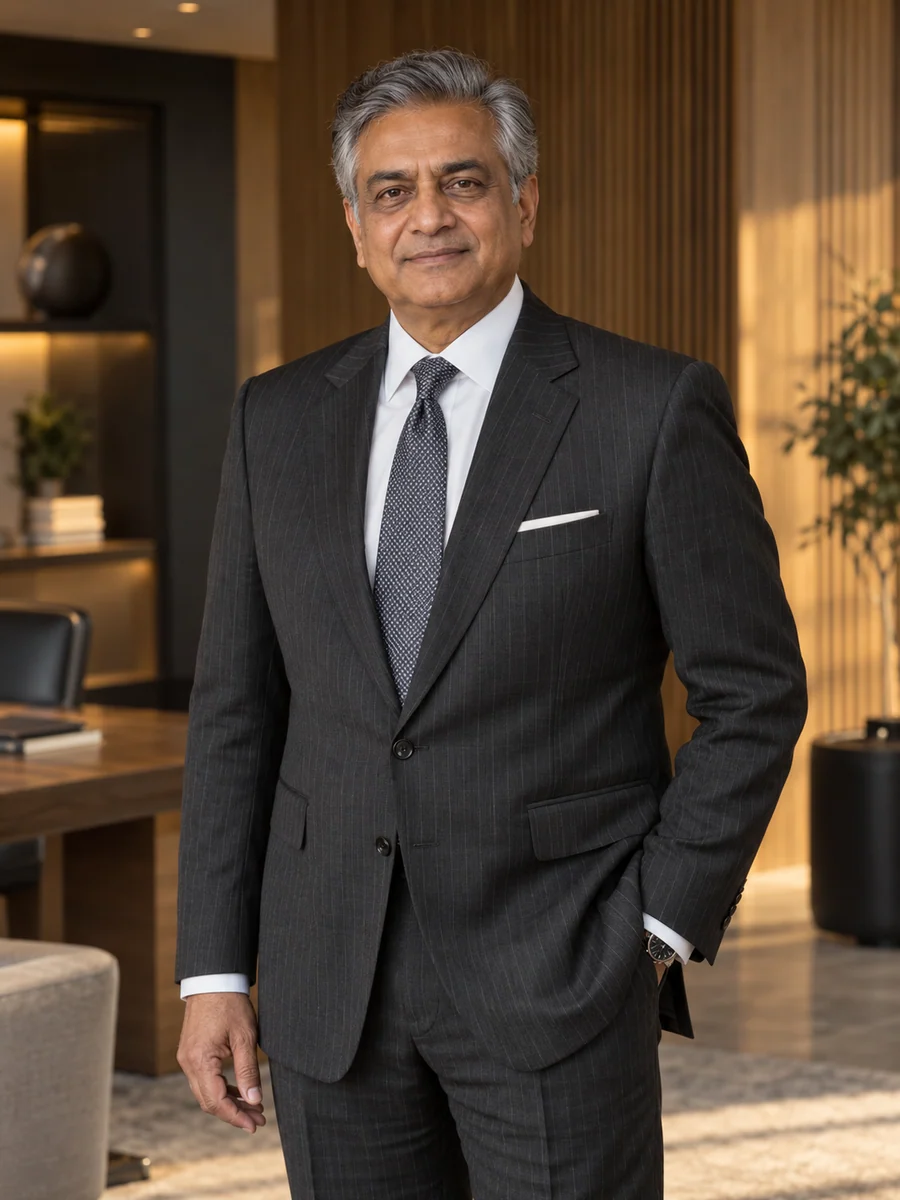
In my own words
I pay attention to what happens to the person who gives an inconvenient technical answer. A company can praise expertise while making promotion depend on leaving it behind. My work is to make employment choices consistent with the responsibilities the business says it values, and to acknowledge where our own people systems have sent a different message.
Dev Parameshvan
Career
Chapters of accountability
Jul 2018 — Present
Chief Human Resources Officer
Anvethra Pharmaceuticals
I connect specialist careers, technical authority and staffing investment across the company. My remit includes seventy-four people colleagues and a ₹31 Cr annual delegated expense envelope.
Jan 2010 — Jun 2018
Vice President, People and Organisation
Anvethra Pharmaceuticals
I brought site employment frameworks into a group remit and learned to question the incentives our own function designed. The period included the attendance-award correction and a 136-person integration.
Apr 2003 — Dec 2009
Head of People, Hyderabad Manufacturing
Anvethra Pharmaceuticals
I worked with production and quality colleagues to define the experience behind the staffing plan. Technical-career questions emerged from conversations with specialists whose next grade required different work.
Sep 1996 — Mar 2003
Personnel Manager
Sarunvitha Formulations
I moved employment questions into operating discussions before the final timetable was agreed. Six colleagues supported personnel services and consultation under my first management remit.
Jun 1991 — Aug 1996
Personnel Officer
Sarunvitha Formulations
I began with factory records, shift queries and follow-up on unanswered employment questions. The work taught me to distinguish an accurate roster from a decision someone had actually made.
Education
Formation
- Bachelor of commerceVedasravan College1991
Working languagesEnglish · Telugu · Hindi