The person behind the perspective
The customer’s question continued after the assignment record closed.
I began in August 1989 at the fictional Rovalen Network Services, working in a ten-person service-desk team after completing business administration at Norravik Business Institute. My work concerned requests, assignment records and the next action owed to a customer or field colleague. I did not manage a network or hold an independent expense budget. The early lesson was that an internal status could be tidy while the person waiting for the service still lacked an answer they could use.
The service business also made me attentive to the difference between our own responsibility and the assets of the customer or network operator. We supported work on systems we did not own. A confident description of an assignment could easily imply a broader authority than the appointment actually held. I learned to ask who could make the next decision, which commitment had been agreed and what evidence was required before calling the work complete.
In June 1996 I became a regional installation manager. The role brought field teams, suppliers and customer contacts into the same operating account. I had to understand why an apparently straightforward visit could depend on another party’s work or a condition not yet established at the premises. I also learned that a customer needed a practical explanation of the date, not an internal argument about which function owned the uncertainty. My job was to make the dependencies visible early enough for a responsible commitment.
I joined Velsund Connectivity in March 2004 as head of business-service delivery. Moving from a service contractor into the connectivity provider changed the continuity of that responsibility. The relationship did not finish when a field assignment closed. The business remained answerable for the service it had contracted to provide, with technical, customer and commercial stages that could not be compressed into one installation measure. I began to read the delivery account from the customer’s accepted handover backwards.
My record includes a routing proposal in 2009 that I supported on an inadequate basis. The plan covered eighty visits and relied too heavily on road distance. Thirteen island visits depended on ferry timetables that the central comparison had not represented sufficiently. Local colleagues had raised the issue, but I had not given their evidence enough weight. Correcting the arrangement cost SEK 1.1 million in additional travel, cover and rescheduling. I retain the mistake because it changed how I challenge a neat operating abstraction.
The correction did not establish that local planning is always better than central coordination. It established that my chosen measure had failed to describe an important part of the actual journey. I needed to preserve the location constraint in the decision, not ask the field team to explain it after the programme became difficult. That experience later helped me listen differently when an account team, supplier or engineer challenged a statement that looked settled in the main report.
From August 2011 I led customer operations. The twenty-four-site programme in 2016 sharpened the distinction between installation progress and a completed customer handover. Twenty-one sites were technically installed, but only seventeen had reached the agreed acceptance stage at the review point. I wanted the report to recognise the installation team’s work without allowing the remaining customer obligation to disappear into a separate follow-up list. Temporary parallel service and support had a cost that belonged in the same explanation.
I became COO in December 2018. My current remit covers 690 operating colleagues within a company employing 1020 people. I have challenged a universal connection-date proposition, supported a more specific account of field-partner revisits and asked that a continuity claim reflect the physical route evidence rather than the number of supplier names. Those are executive operating decisions, not claims that I personally certify network design or determine contractual rights.
I would consider a first non-executive opportunity where this practical understanding of service commitments could improve oversight. I have presented to the board as an executive but have not held a statutory directorship. The functional director title in my earlier career is not board tenure. Any next appointment would require its own assessment of conflicts, preparation, employer consent and time. Every employer, quotation and result in this profile is invented; the purpose is to show how an actual leader can explain the work behind a senior role with enough precision for another person to examine it.
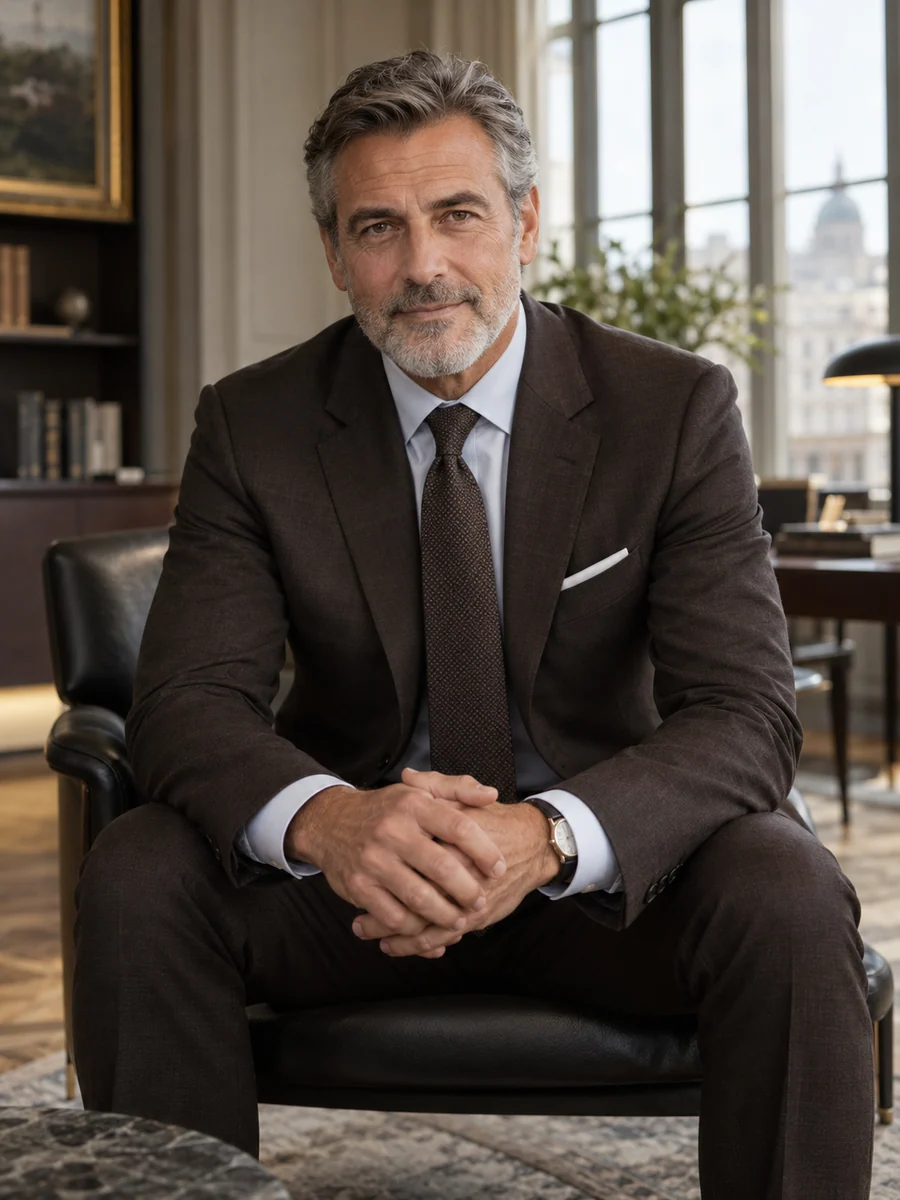
In my own words
I want the customer commitment and the delivery account to describe the same work. A line installed, a service configured and a handover accepted are different statements. My responsibility is to connect them without allowing the most convenient measure to stand in for the whole promise. When an assumption fails, I would rather keep the correction visible than close a report that the customer cannot recognise.
Luca Bergstrom
Career
Chapters of accountability
2018 — present
Chief Operating Officer
Velsund Connectivity
I lead 690 operating colleagues across three Nordic markets, with six direct reports and SEK 492 million delegated 2026 expense.
2011 —2018
Customer Operations Director
Velsund Connectivity
I brought installation progress, service configuration and customer acceptance into the same delivery account. The title was functional, not a statutory directorship.
2004 —2011
Head of Business-Service Delivery
Velsund Connectivity
I moved from a service contractor to the connectivity provider and learned from a routing proposal that underweighted island ferry dependencies.
1996 —2004
Regional Installation Manager
Rovalen Network Services
I coordinated field delivery, suppliers and customer contacts without claiming ownership of the networks on which the service company worked.
1989 —1996
Service-Desk Coordinator
Rovalen Network Services
I began in a ten-person service team, connecting assignment records with the next action owed to a customer or field colleague.
Education
Formation
- Bachelor of business administrationNorravik Business Institute1989
Working languagesEnglish · Swedish