The person behind the perspective
Learning to explain what the account cannot settle alone
The most useful question at my first accounting desk was often the least impressive one: which entry explains the difference? I joined Danqiao Merchant Bank in August 1988 after completing an accounting degree at Lanshuren Institute that June. My work was supervised and local. I checked branch records, traced unmatched entries and prepared reconciliations for review. I had no authority to approve credit or move funds independently. What I could do was refuse to describe an unresolved balance as resolved merely because the reporting clock was moving.
That early work taught me the difference between persistence and suspicion. Most discrepancies had ordinary causes: a reference entered differently, a posting recorded in another period or a document that had not reached the reviewer. The task was to establish the cause without humiliating the person who helped find it. I learnt to write down what remained unknown and to return with a specific question. A colleague who expected a fair hearing was more likely to disclose the next awkward item before it grew.
In July 1995, I moved into treasury analysis at the same bank. I prepared maturity schedules and compared funding plans with actual customer balances. The role widened my perspective from whether an account agreed to what the account meant. Two deposits of the same amount could behave differently, and a period-end balance could tell a misleading story about the funding available during the month. I supported decisions taken by treasury leadership; I did not execute trades or set the bank's risk appetite.
I joined Lurenshan Commercial Bank as financial controller in January 2001. By the end of that appointment, it had eighteen branches and 760 employees, still smaller than the institution I serve today. Finance relied on numerous local workbooks and late adjustments. My mandate was to create a consistent management close without removing the local explanations directors and executives needed. We introduced named reconciliation owners and separated recurring accounting work from decisions requiring judgement. I also learnt that a common chart of accounts does not automatically produce a common understanding of profitability.
Promotion to deputy CFO in January 2008 brought planning, branch economics and greater committee exposure. I worked with colleagues who believed finance was making commercially successful branches look less attractive through central allocations. Sometimes their criticism was justified. A cost could be allocated precisely and still provide a poor signal about a decision. I began requiring every proposed allocation change to state its purpose, its effect on behaviour and the result before and after the change. That discipline later became central to our internal funding review.
I became CFO in January 2015. Today I lead 118 finance colleagues through six direct reports across reporting, planning, tax coordination, financial control and related finance operations. The bank employs 1,900 people across thirty-six branches and central functions. My reporting line is to the chief executive, with access to the audit committee for matters within my remit. I attend to explain and answer questions. I do not vote as a director, and I would not describe committee attendance as an independent board appointment.
One defining decision concerned a revised estimate of credit losses. The relevant portfolio evidence had changed, and the proposed allowance increase would reduce the period's pre-tax profit by CNY156 million. Commercial colleagues wanted more time to understand the effect on their plans. I supported a clear explanation of the evidence, the accounting judgement and the remaining uncertainty rather than a postponement tied to the earnings calendar. Risk colleagues retained responsibility for their assessments; finance retained responsibility for the accounting presentation. The decision did not extinguish the underlying customer obligations or turn an estimate into a cash payment.
Another lesson came from our faster close. We reduced the monthly management timetable from twelve working days to seven, but I would not accept speed as the only result. The team also reduced aged reconciliation items from 4,800 to 430 over twelve months and preserved a visible register for what remained. The programme cost CNY6.8 million. We delayed a proposed reduction in support capacity because the remaining work still required experienced judgement. I would rather explain that cost than celebrate a date while moving unresolved work out of sight.
I now spend more time developing colleagues who can explain a result than colleagues who can merely reproduce it. In a review, I ask what changed, what did not, who made the relevant decision and which assumption would alter the conclusion. I want dissent recorded before consensus makes it difficult to recover. Outside my executive role, I am interested in one board contribution where financial clarity matters and competitive conflicts can be addressed. My next chapter should use this experience without confusing familiarity with accounts with authority over every specialist question an enterprise faces.
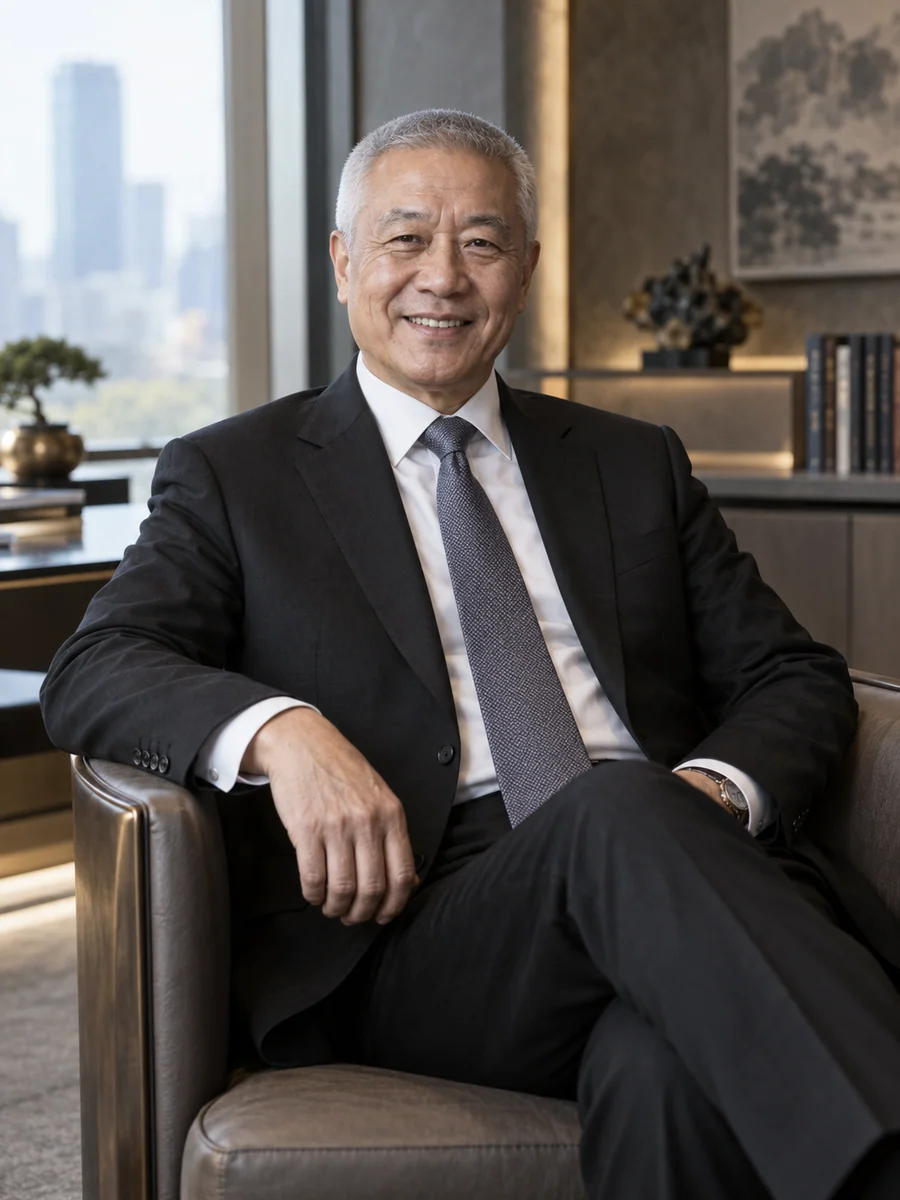
In my own words
I want a finance colleague to be able to follow a material number back to its evidence and forward to the decision it changes.
Weiran Shou
Education
Formation
- Degree in accountingLanshuren Institute1988
Working languagesMandarin · English