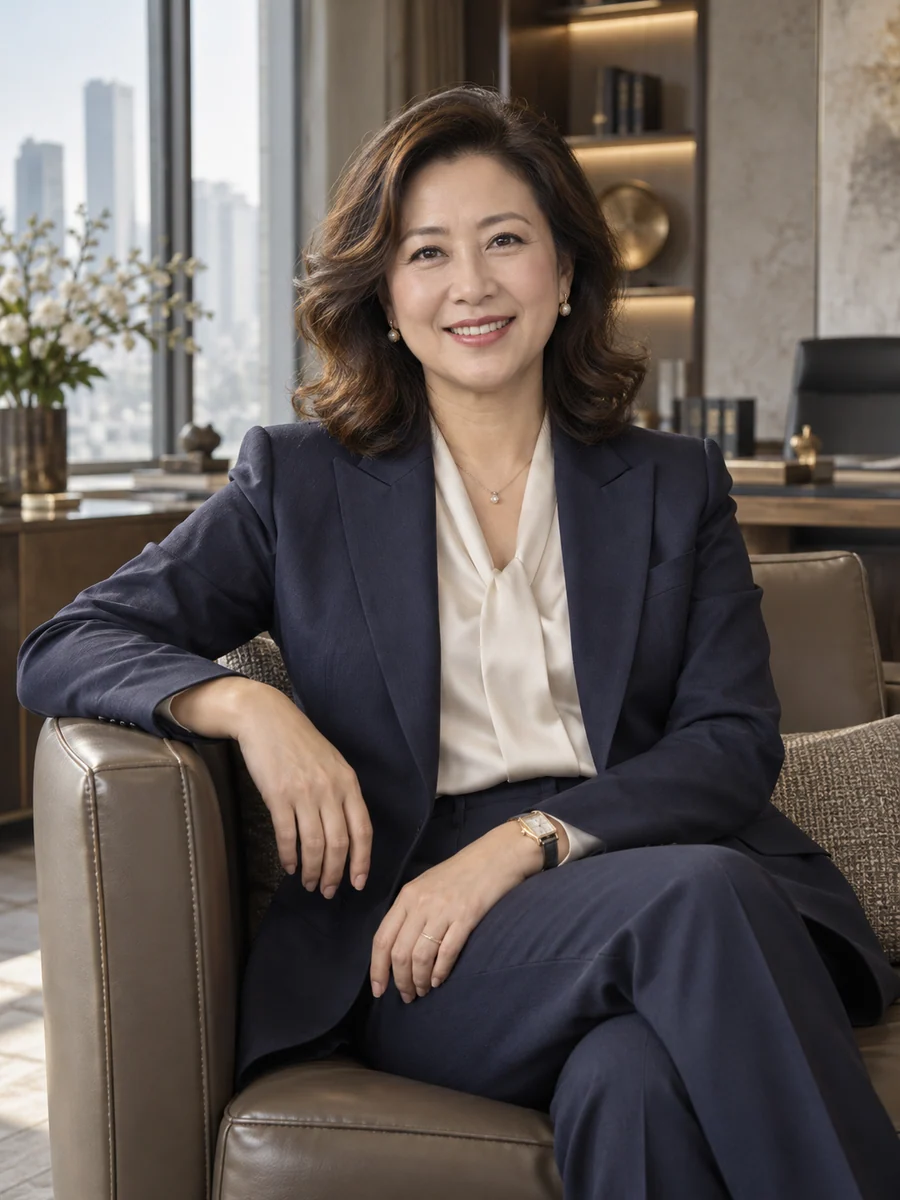
I turn development knowledge into manufacturing choices we can explain.
A successful development run is an invitation to understand more. It is not permission to assume that a larger vessel, another site or a different material will behave in the same way. My work connects the scientific account of a product with the practical choices needed to manufacture it. I want the team receiving a process to know why it works, which observations support that understanding and where another responsible owner must make a decision before the next step.
At Lianvero Pharmaceuticals, I lead process development and manufacturing technology across three Chinese sites. My remit covers 147 employees through five direct reports, with 28 contractors separately. The 2026 authority of CNY 186 million is divided between 112 million for process development and 74 million for manufacturing technology. I report to chief executive Ruiwen Xun. The company's CNY 3.2 billion 2025 revenue describes its scale; quality release, regulatory interpretation and clinical judgement remain with the people authorised to make them.
I began in process engineering in July 1993. Formulation work and site transfers taught me how easily a recipe can travel farther than the knowledge behind it. A receiving team may possess the steps without understanding the sensitivities that shaped them. A capital proposal may assume a future process is ready before the development work has answered its most consequential question. I prefer an explicit account of that uncertainty to an attractive schedule whose confidence depends on leaving it out.
Scale treated as a question, not a multiplier
A development programme examined what changed between 50-kilogram and 300-kilogram engineering runs before committing to a larger equipment route. The useful account concerned process behaviour and the remaining evidence, not a claim that matching a written recipe established commercial readiness or regulatory acceptance.
Pilot capacity chosen for the learning it could support
We compared an 18-million-yuan pilot investment with a 72-million-yuan larger-line proposal. The selected pilot route served nine of twelve planned development projects; three still needed another path. Keeping those exclusions visible made the capital choice easier to examine than a claim that one purchase would solve every capacity need.
An unpromising route allowed to end
I supported stopping a formulation candidate when its development evidence did not justify the next commitment. The work already spent remained part of the account, but it did not become a reason to continue. Another candidate could proceed only on its own evidence, not by inheriting the promise attached to the stopped route.
Current focus
I am strengthening the account that moves with a process from development into manufacturing. It should explain the material and equipment questions that mattered, the choices rejected and the observations that would require renewed investigation. This is a technical leadership task shared with quality, operations and regulatory colleagues. Better explanations help the organisation decide what it knows; they do not grant engineering the authority to declare every subsequent use acceptable.
Conversations I welcome
I am open to a board or advisory discussion with a business where process knowledge and capital decisions are closely connected. I have no director appointment and would prepare carefully for a first seat, with twenty annual days considered against the actual calendar and employer consent. For speaking, I welcome audiences ready to examine a concrete development or transfer decision, including the cost of a route that was deliberately not taken.