Chief Marketing Officer Japan
The copywriter whose grandmother answered his commercial
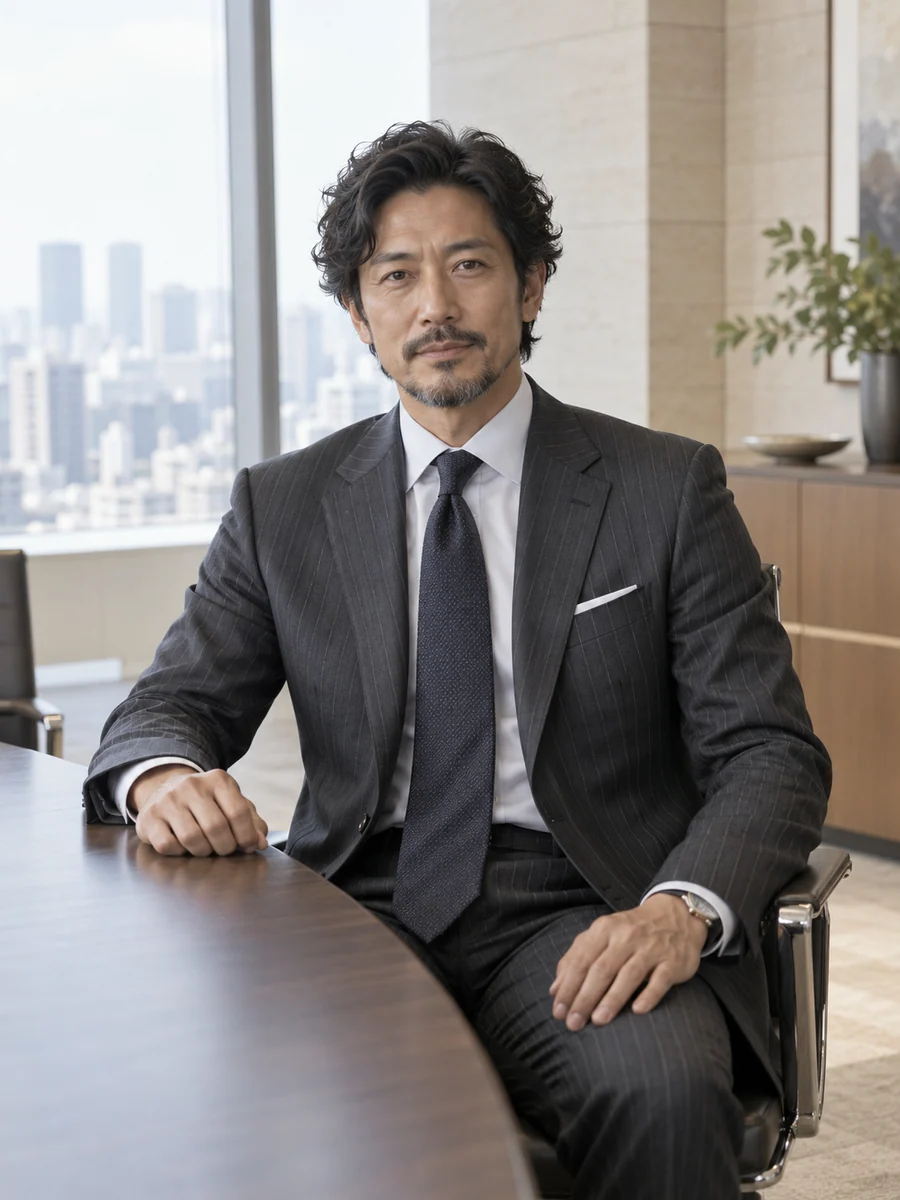
In the spring of 2001 my grandmother, then 81 and living alone in Toyama, was admitted to hospital for eleven days with pneumonia. She telephoned me afterwards, puzzled. Two years earlier she had bought a mail-order medical policy after watching a late-night commercial, and she had expected it to pay for her stay. It paid a little under half of what she had imagined, because she had understood the daily benefit as a contribution to the whole bill. She had also been paying a premium that took a noticeable share of her pension. I knew the commercial well. I had written it.
Nothing in the advertisement was false. The monthly premium appeared in large figures, and the conditions ran along the bottom of the screen for about four seconds, approved by the insurer's lawyers and the broadcaster. My grandmother read the large figures, as I had intended. That conversation did not change my career overnight, but it changed what I noticed. From then on I found it difficult to judge an advertisement only by the calls it produced.
I was born in Toyama in 1974 and studied sociology at Tsukimino University, where my graduation research examined how retired people read newspaper inserts. In April 1997 I joined Nijimaru Advertising in Osaka, a direct-response agency whose clients sold health foods, cosmetics and, increasingly, insurance by mail order. I wrote copy, then produced campaigns. The discipline was exact. We tracked calls in fifteen-minute windows after each spot, by region and time slot, and changed a single phrase if the numbers moved. I learnt more about persuasion in those six years than in any role since, including which techniques work best on viewers who are tired, lonely or worried about their health.
In 2003 I moved to Asagiri Mutual Life, a traditional insurer that sold mostly through a tied sales force and wanted a mail-order channel for medical cover. I went because I wanted to be on the side that answered the calls. Over five years we grew the channel from nothing to 38,000 new policies a year. I learnt underwriting, claims and contact-centre work from the people who did them, and I began listening to recorded calls every week, a habit I have kept. The most useful change I made there was small: advisers read back the hospital benefit limit before taking any application. It cost us a few percentage points of conversion and removed a whole category of complaint.
In October 2008 I joined the team preparing Tomoshibi Life, a new direct insurer set up by Kawasemi Holdings. We had no policies, no brand and a parent company that knew television shopping better than anyone I had worked with. I built our acquisition function from three people to twenty-two, launched online applications in 2010 and reached 420,000 policies in force by March 2013. I also completed a part-time MBA at Kudanzaka Graduate School of Management, writing my dissertation on the relationship between acquisition cost and early lapses in direct insurance. It was the first time I set out formally what I had seen at the agency: the cheapest application is often the most expensive policy.
In 2013 I left to run the insurance business of Hakari Navi, a comparison site. I wanted to see how customers chose between insurers before any of them called us. We built comparison tables that readers found useful, and traffic to our insurance pages grew from about 300,000 visits a month to 2.1 million. I also built an editor's selection that insurers could pay to be considered for, and by 2016 every policy in it came from a paying insurer. Our disclosure was accurate and almost nobody noticed it. When the company planned to sell positions in more rankings in 2017, I objected and then resigned. I should have objected sooner.
Tomoshibi's president invited me back in January 2018 to lead marketing. In 2019, when sales misconduct involving older policyholders at a large insurer dominated the news, our parent's television team wanted a campaign contrasting our telephone model with salespeople at the door. I argued against it, and we opened a free line that told callers when keeping their existing policy was the better choice. I became chief marketing officer in April 2021. Since then I have rewritten our advertising for older viewers, left comparison rankings we could not label, stopped paying partners for applications and asked every claimant whether we paid what they expected.
I work closely with our actuaries, our compliance team and the people who handle complaints, and I ask each of them to put objections to my proposals in writing so that the board sees them. Every Monday I listen to twenty recorded calls, chosen by the contact centre rather than by me. Colleagues would say that I am slow to approve a new advertisement, that I ask what a customer will believe at the claim before I ask about response, and that I am more comfortable explaining a lower number than defending a higher one I do not trust.
Open to Board appointments · Advisory roles · Speaking invitations
Languages / Japanese · English
A leadership conviction
I judge an insurance advertisement by what the customer believes when the claim is paid, not by how many people telephoned after it ran. Those two measures pull in opposite directions more often than marketing departments admit. My job is to keep them in the same report, to say aloud the conditions that response data would prefer us to whisper, and to accept the lower response that sometimes follows.
- Policies in force
- 1.32m
- Tomoshibi Life, March 2026
- Annual marketing budget
- ¥12.6bn
- Year to March 2026; television, digital, comparison, print and research
- Cost per policy still in force at thirteen months
- ¥71,000
- Digital channels, year to March 2026; ¥96,000 two years earlier
Board & advisory record
Current appointments
Hidamari Household Finance Circle
Non-executive director
Programme committee
June 2019–present
Education & credentials
- Bachelor of Arts in sociology
- Tsukimino University · 1997
- Master of Business Administration (part-time)
- Kudanzaka Graduate School of Management · 2012
Perspectives from colleagues
When Ren proposed saying the first-year reduction aloud in our advertising, he brought the head of direct sales' objection to me himself, stapled to his own paper. Sales fell as the objection predicted, and the board has never asked me to reverse it.
My team handles the calls nobody in marketing wants to hear. Ren listens to twenty of them every Monday, chosen by us, and the claimant question came out of one of those mornings. He has never asked us to soften a number before it went to the board.
Ren built our editor's selection and was also the first person in the company to say it had become something else. When he resigned he left a memo on what should change. Two years later we changed most of it.