Chief Product Officer India
The next task changed how I designed the screen
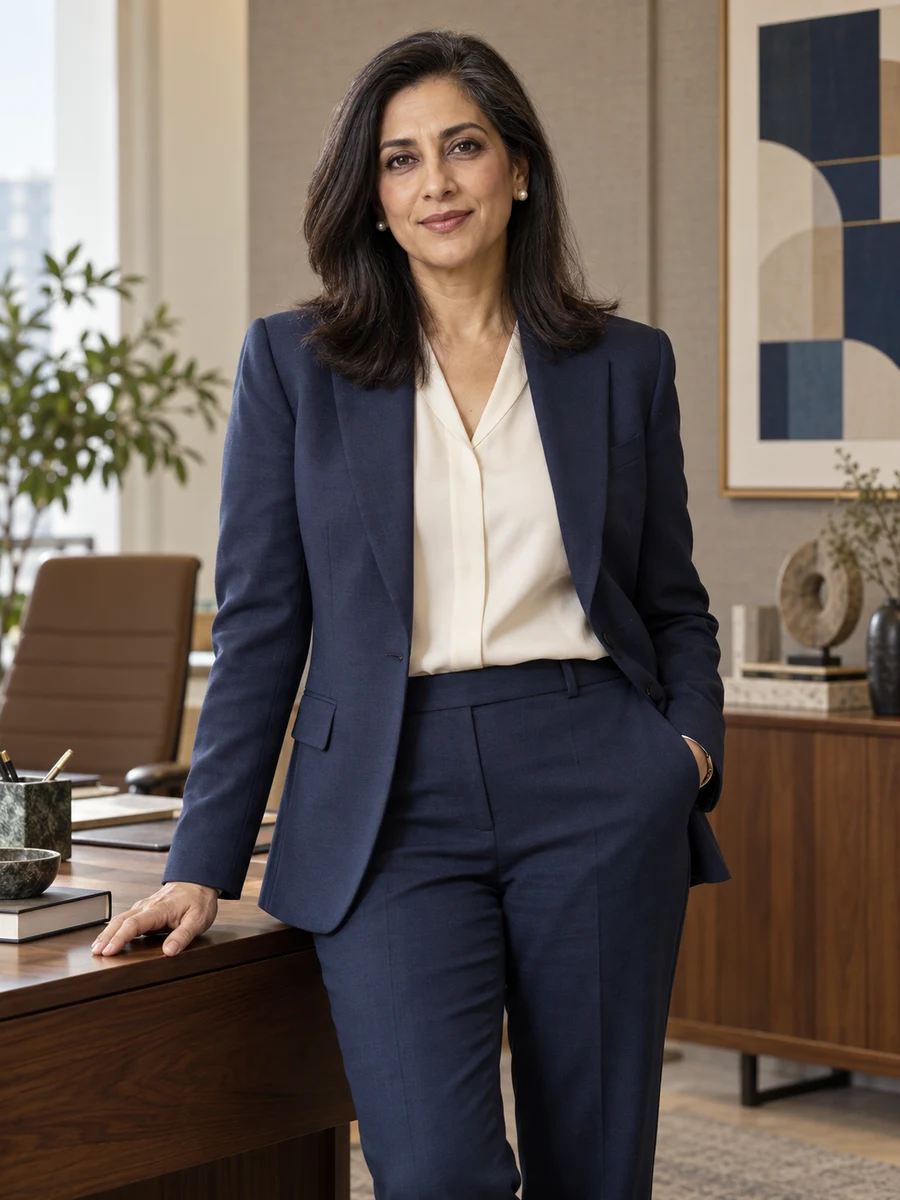
I completed a design degree at Talquni Design College in May 2000 and joined Zemvuli Design Tools in Surat the following month. My first role was design-tool support. I helped users explain what they were trying to do and worked with the support manager to reproduce difficulties. The work was close to a customer's practical task. A screen could appear correct while the result sent to a printer or another person no longer carried the same meaning. I learned to ask where the output would be used before deciding that an operation had succeeded.
Support did not make me a pattern maker or give me authority over production decisions. It taught me to listen to people who had that experience. They could explain why a line, a direction or an allowance mattered in a way that a short defect description could not. I kept records and followed agreed support procedures without budget authority. When the team could reproduce a problem, we still needed to decide whether it was a defect, an unclear instruction or a product assumption that deserved to change. That distinction interested me more than closing the ticket quickly.
In April 2005 I became a workflow researcher. I worked with design professionals and support colleagues to understand the sequence around a digital task. A user might move from preparation to layout, then to an output another person would inspect. The question was not simply whether each screen was usable. It was whether the assumptions remained visible across the handover. I led four researchers by the end of the appointment and learned to describe a bounded observation without claiming that it represented every studio or production setting.
I joined Selquvi Pattern Software as a product manager in April 2010. The product focused more closely on garment-pattern preparation and fabric layout. I worked with engineering and customer specialists to decide how the software should represent dimensions, directions and the distinction between a design view and a production-oriented output. Customers retained responsibility for their own construction methods and acceptance. My job was to make the proposed behaviour and its limits clear enough for them to judge whether the tool fitted their work. It was not to prescribe a universal manufacturing method.
The head-of-product appointment followed in April 2016. I led nineteen colleagues through two leads and managed ₹4.8 crore annual expense by departure. I became responsible for prioritising research and design work alongside commercial requests for more automatic features. Automation could remove repetitive effort, but it could also hide a choice the user had previously made consciously. I wanted the product team to identify those choices before celebrating a faster demonstration. We began reviewing how constraints were entered, retained and explained when a proposed result could not satisfy them.
I became CPO in April 2022. Today I lead twenty-eight product, research and design colleagues through three leads with ₹7.9 crore annual expense. Selquvi employed 260 people in March 2026 and recorded ₹112 crore FY 2025–26 revenue. An employee ownership trust holds 55% and the founding family 45%; I am a trust beneficiary. Naveen Pervaqi is CEO, and Maya Lenquri leads engineering separately. I present product decisions to directors but have no statutory appointment. My authority covers the product problem, evidence and priorities, with delivery planned jointly with engineering.
The width case exposed a simplification I had accepted. A 152 cm nominal roll width with 1 cm excluded on each side left 150 cm for the customer's layout, but the product used the larger value. Twenty-two of sixty reviewed layouts crossed the usable boundary. Another review found nine suggestions that ignored a locked one-way orientation. A compact arrangement was not a useful answer if it violated the constraint the user had supplied. We repaired six and withheld three rather than presenting every proposal as ready to use.
The print review concerned a different handover. Twenty-nine of eighty participants did not notice that fit-to-page output changed a 100 mm reference to 97 mm. We separated illustrative output from scale-preserving preparation and made the relevant checks clearer. None of these cases established universal production fitness. I speak Gujarati, Hindi and English. My next product contribution should continue this willingness to question an attractive result before it reaches physical work, while broadening the commercial and governance understanding needed for a possible first outside board role.
Open to Board appointments · Executive opportunities
Languages / Gujarati · Hindi · English
A leadership conviction
I want the product to make a constraint visible before it makes a recommendation persuasive. A layout can use less space by turning a piece the fabric will not permit, or a printed pattern can look complete while its scale has changed. Product leadership means choosing which decisions the software may make and which assumptions a person must see and confirm.
- Product, research and design colleagues
- 28
- Three leads; ₹7.9 crore annual function expense
- Company revenue
- ₹112 crore
- FY 2025–26; 260 employees in March 2026
- Design-software experience
- 26 years
- Support through research and product leadership
Education & credentials
- Bachelor of Design in Product and Interaction Design
- Talquni Design College · 2000
Perspectives from colleagues
Fariha kept the three unavailable suggestions in the release account. The product plan became more credible because the constraint stayed visible alongside the commercial ambition.
She defined the user decision clearly and worked with engineering on the supported behaviour. Product scope and technical delivery remained connected without pretending they were the same responsibility.