Chief Technology Officer Australia
A tradesman's habits carried into the technology office
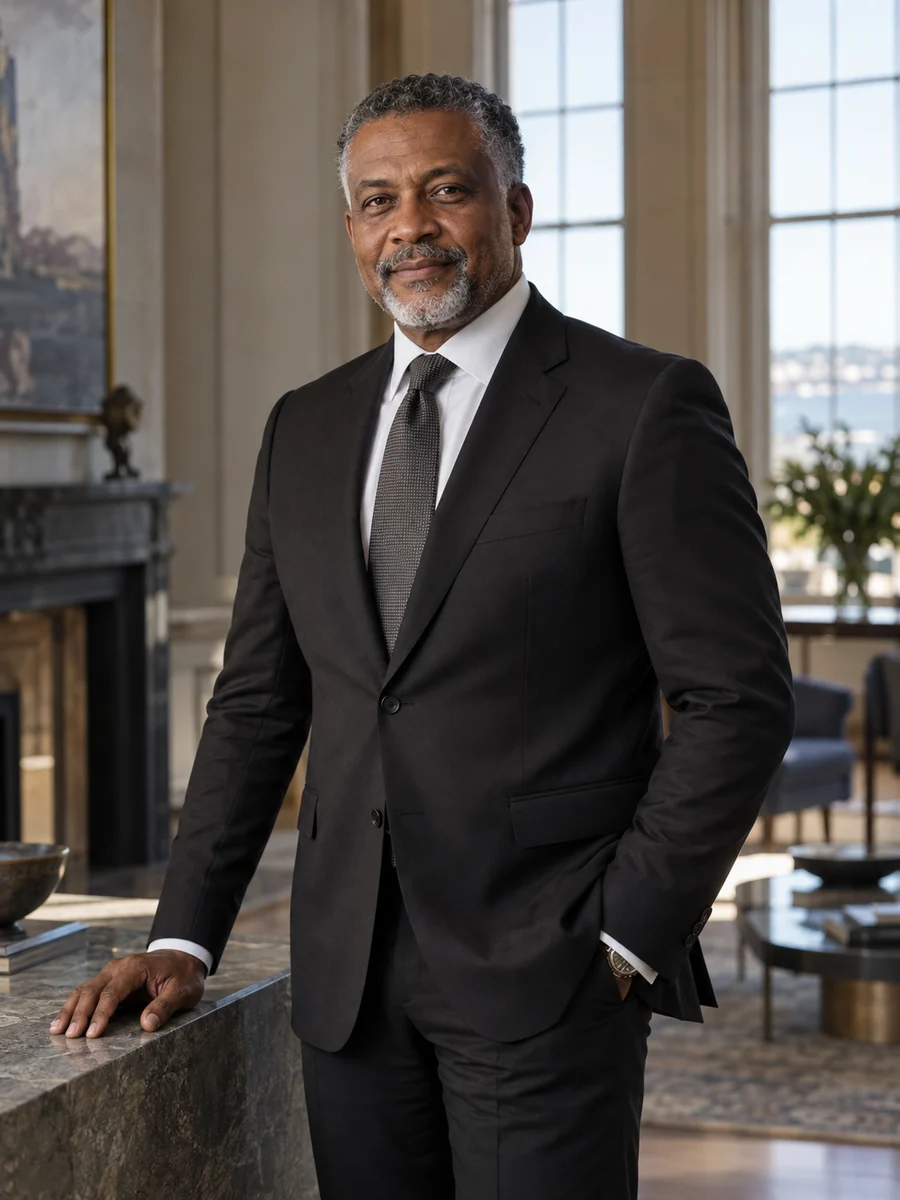
The first machine I was trusted to run alone was a manual lathe at Pellarby Pumps in Port Adelaide, where I started as an apprentice fitter and machinist in February 1989. The card for a worn pump shaft listed a dimension, a tolerance and the initials of whoever had approved the rebuild. When the card and the shaft disagreed, the tradesman beside me stopped and walked to the office. Nobody called that caution slow. It was how a small workshop avoided sending a customer a part that matched our habits rather than their drawing.
I completed my trade certificate at Ardrossmoor Technical College in January 1993 and stayed at Pellarby as a tradesman while starting a part-time mechanical engineering degree at Cradenfield University. In August 1994 I moved to Strathquill Precision Machining at Lonsdale as a CNC programmer. Programs then travelled from an office computer to the machine on floppy disk, and the commonest error was not a poor toolpath but an old program loaded for a new revision of the part. I learnt to treat the transfer of an instruction as part of manufacturing, not as clerical work around it. I finished the degree in November 2000, by then as Strathquill's production engineer.
From 2001 I spent six years at Varnfield Hydraulics in Dandenong, Victoria, as senior manufacturing engineer on hydraulic cylinders for forklifts and mobile equipment. It was my first plant with a serious population of programmable logic controllers: honing machines, a paint line and pressure-test benches, each installed by a different integrator with its own conventions. When a test bench stopped at night, the person who understood its logic was often a contractor in another state. I started the plant's first register of controllers, software versions and spare modules. It was a dull document that later saved us a week when a failed power supply took out the main test station.
In August 2007 I returned to Adelaide as engineering manager at Hollandby Automotive Pressings, which pressed and welded body components for a vehicle assembler in the city's north. I led forty engineers and technicians across press tooling, robotic spot-welding lines and controls. Automotive volumes showed me what automation does well: the same joint, thousands of times a day, to a program that rarely changes. They also showed me how quickly a plant's knowledge can concentrate in a few people. When the assembler announced in late 2013 that it would end local production, I spent my final months helping colleagues document what they knew and find work elsewhere.
I joined Kestwater Engineering in March 2014. A naval structural unit may be built once or a handful of times, from models revised during construction, with welds an inspector can examine years later. As general manager of manufacturing engineering, I brought CNC programming, welding engineering and production planning under one leader. I also met obligations an automotive engineer rarely sees: export-controlled technical data, security requirements for people, premises and systems, and customers who audit how information moves as closely as how steel is cut. In 2018 I completed a part-time graduate certificate in industrial control-system security at the Velmarch Institute, because I could no longer judge those questions second-hand.
I became chief technology officer in July 2019. The role combines engineering design, manufacturing engineering, automation, information technology and operational-technology security, with 124 people and a technology operating budget of A$16.8 million this year. I report to the chief executive, present to the board on technology and security, and report each quarter to its audit and risk committee. I am not a director. The board decides capital allocation and risk appetite; my task is to give its members a candid account of what our machines, networks and data can support.
Three decisions shaped my current view. We protected nineteen older CNC machines by isolating them instead of replacing them together. We built a controlled path from a customer's model to our inspection records for defence work first, and kept commercial work on paper longer than its managers wanted. We installed one welding robot instead of three and asked experienced welders to teach it. Each choice gave something up, and the colleagues who argued against them were often right about the cost.
I still think like a tradesman who has to stand beside the machine when the instruction is wrong. That is the perspective I would offer a board: questions about whether the company can trace, protect and build what it has promised, asked with respect for the people whose hands carry the work. I am seeking a first non-executive role and expect to learn a great deal from directors whose experience differs from mine.
Open to Board appointments
Languages / English
A leadership conviction
An old machine is not automatically a security failure, and a new robot is not automatically progress. Both are decisions about who touches the work, which instruction they follow and how we would prove it later. I want the technology function to answer those questions before a customer, an auditor or a welder has to ask them.
- Group revenue
- A$238m
- Year ended June 2026; about 61 per cent from defence work
- Employees across three sites
- 712
- Including 46 apprentices; Wingfield, Edinburgh and Henderson
- CNC machines in service
- 63
- Nineteen older controllers now isolated behind a program server
Education & credentials
- Graduate certificate in industrial control-system security
- Velmarch Institute · 2018
- Bachelor of Engineering (Mechanical)
- Cradenfield University · 2000
- Trade certificate in fitting and machining
- Ardrossmoor Technical College · 1993
Perspectives from colleagues
Alistair brings the board the register before the recommendation. When he asked us to keep nineteen old machines, he also showed us exactly how we would know if that judgement had been wrong.
I told him the robot would never match my best welders. He did not argue; he asked those welders to program it, and they made it work on the joints where it belongs.
When our plant's future closed in, Alistair spent his last months writing down what our technicians knew and helping them find work. He treated their knowledge as something worth keeping.