Chief Executive Officer India
Following the question beyond my own desk
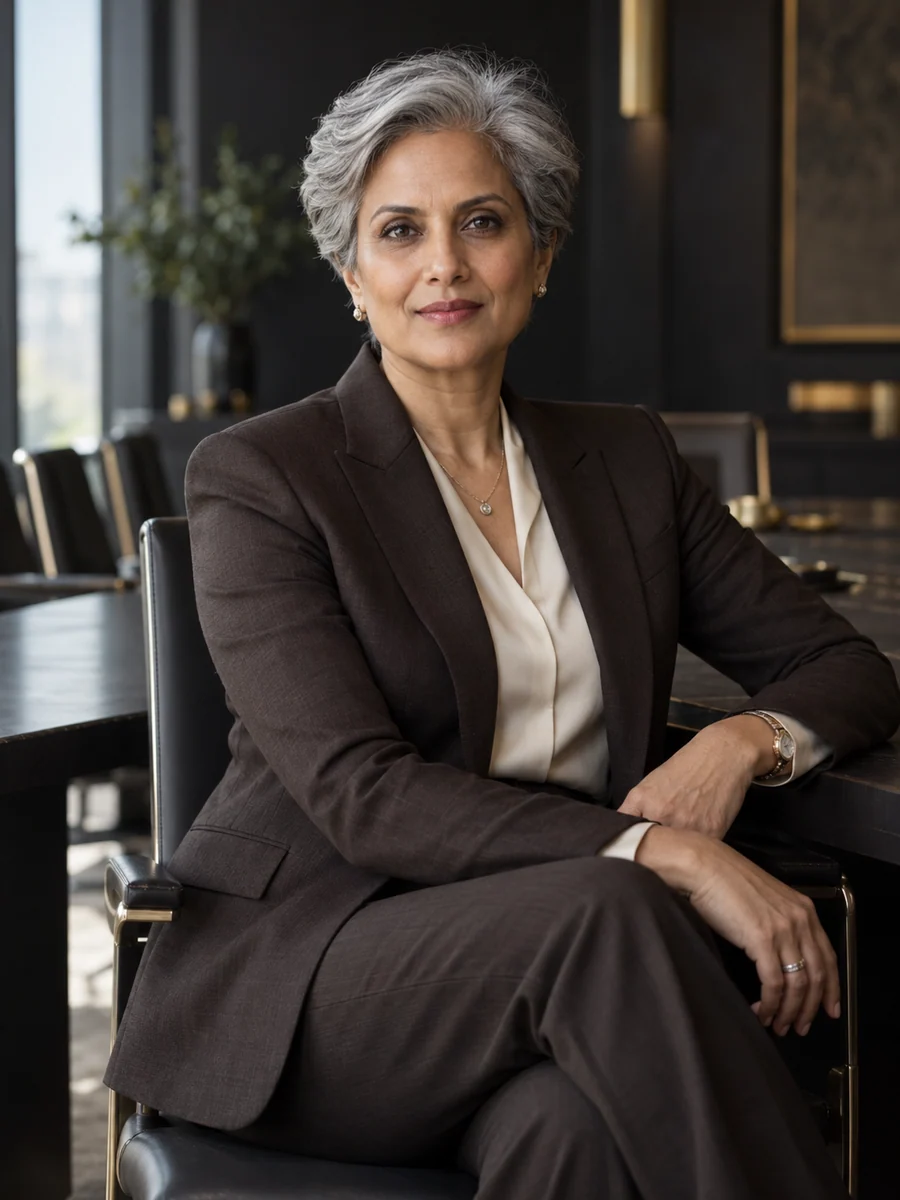
A patient once placed three papers on my billing desk and asked which one described what she had paid for. Each had been issued by our organisation. One was a booking note, one a departmental receipt and one a final account. They were internally consistent if you understood our codes, but they did not explain the visit in language she could use. I could reconcile the entries. I could not defend asking her to understand the way we divided our work. That encounter has remained with me longer than the first monthly accounts I helped close.
I joined Veyantara Health Services in June 1998 after completing a commerce degree at Varneshi College. My role was an analyst in an eleven-person billing team. I checked entries, investigated discrepancies and prepared corrections for approval. I had no clinical training and no authority to change a tariff. The distinction mattered because a patient could reasonably assume that somebody behind the organisation's desk could answer every question about a charge. I learnt to explain what I knew, find the colleague who could answer the rest and keep a record of what remained unresolved.
By January 2004 I had moved into clinic administration. I was responsible for 62 non-clinical colleagues at an outpatient facility, working alongside medical and nursing leaders whose professional decisions were theirs. The role showed me how a queue can move without a problem being solved. A receptionist might send a patient to billing, billing might send the patient to a department and the department might need a clarification from the original booking team. Each instruction could be reasonable in isolation. I began following a few complete visits rather than reviewing only the totals each desk submitted.
Those observations changed how I spoke about efficiency. Completing one transaction quickly was not enough if the patient then returned to another queue. We adjusted administrative responsibilities and clarified which person would remain involved when a request crossed departments. I did not remove specialist checks or ask staff to make decisions outside their competence. The aim was to stop the patient becoming the only person carrying the question from one authorised colleague to the next. It was slower to design than a new service slogan, and more useful when a visit did not follow the usual sequence.
I joined Niravel Diagnostic Services in July 2010 to run a region of eight centres. The founding clinicians had built a trusted local practice and wanted to expand without losing the ability to notice an individual service failure. I brought operating experience, but I had to learn the different rhythms of a diagnostics network. The appointment, the investigation, the professional report and the patient's access to that report were connected activities with different owners. My remit covered administration and delivery coordination. It did not give me the authority to direct clinical interpretation or shorten a professionally required process.
As chief operating officer from January 2016, I worked with a much larger group of centre managers. I saw the temptation to compare every location through a single appointment count. A centre that allowed more time for patients needing assistance could appear less productive even when it had designed its service responsibly. We began distinguishing the visit requirements behind the count. That did not remove the need for commercial discipline. It made the discussion more honest about what a proposed utilisation level would require from patients, accompanying relatives and staff.
The board appointed me chief executive and an executive director in January 2021. The founders retained a majority interest, while a minority investor brought expectations about growth and reporting. I wanted the board to see the unfinished parts of a patient's journey alongside the network's financial progress. A report could be professionally complete and still not have reached the right recipient. A price could be accurate for a narrowly defined service and still mislead somebody planning an entire visit. Those were operating questions that deserved executive attention, even when their resolution did not produce a new centre or a larger headline figure.
Today I judge a service improvement partly by how little organisational knowledge it asks a patient to possess. Families should not need to know which manager is helpful or which internal code explains a bill. My work is to support clear responsibilities, practical explanations and a route for exceptions that staff can actually use. I remain a non-clinical leader. The contribution I can make is to give qualified professionals and service colleagues an organisation in which their separate responsibilities add up to an experience the person attending can understand.
Open to Board appointments
Languages / English · Tamil
A leadership conviction
I want a patient to know what will happen next without learning our internal organisation chart. Clinical decisions belong to qualified professionals. My responsibility is to make the appointments, explanations, payments and delivery arrangements around those decisions work together, including when a visit does not follow the usual sequence.
- Company revenue
- ₹286 Cr
- Year ended March 2026
- Diagnostic centres
- 36
- Six southern Indian cities, June 2026
- Colleagues
- 1,580
- Network workforce at June 2026
Career chapters
2021–present 01
Chief Executive Officer
Niravel Diagnostic Services
Network leadership and patient-service accountability; executive director since January 2021.
2016–2020 02
Chief Operating Officer
Niravel Diagnostic Services
Centre operations, appointment access and the resources needed to support the patient journey.
2010–2015 03
Regional Operations Head
Niravel Diagnostic Services
Eight-centre operating remit, local service coordination and management development.
2004–2010 04
Clinic Administrator
Veyantara Health Services
Non-clinical administration at an outpatient facility, working alongside clinical leaders.
1998–2003 05
Billing Analyst
Veyantara Health Services
Account reconciliation, discrepancy investigation and approved billing corrections.
Board & advisory record
Current appointments
Niravel Diagnostic Services
Executive director
Company board; no committee chair appointment claimed
January 2021–present
Education & credentials
- Bachelor of Commerce
- Varneshi College · 1998
Perspectives from colleagues
Ritika brings the cost of a service decision into the same paper as its patient benefit. The appointment-access pilot was a better board discussion because the lost slots were visible, rather than hidden behind an encouraging waiting figure.
Ritika followed a billing question until she could explain why it had reached the patient in that form. She respected the decisions that belonged to clinicians while taking responsibility for the administrative confusion around them.