Chief Executive Officer India
A complete production plan left the sponsorship unclear
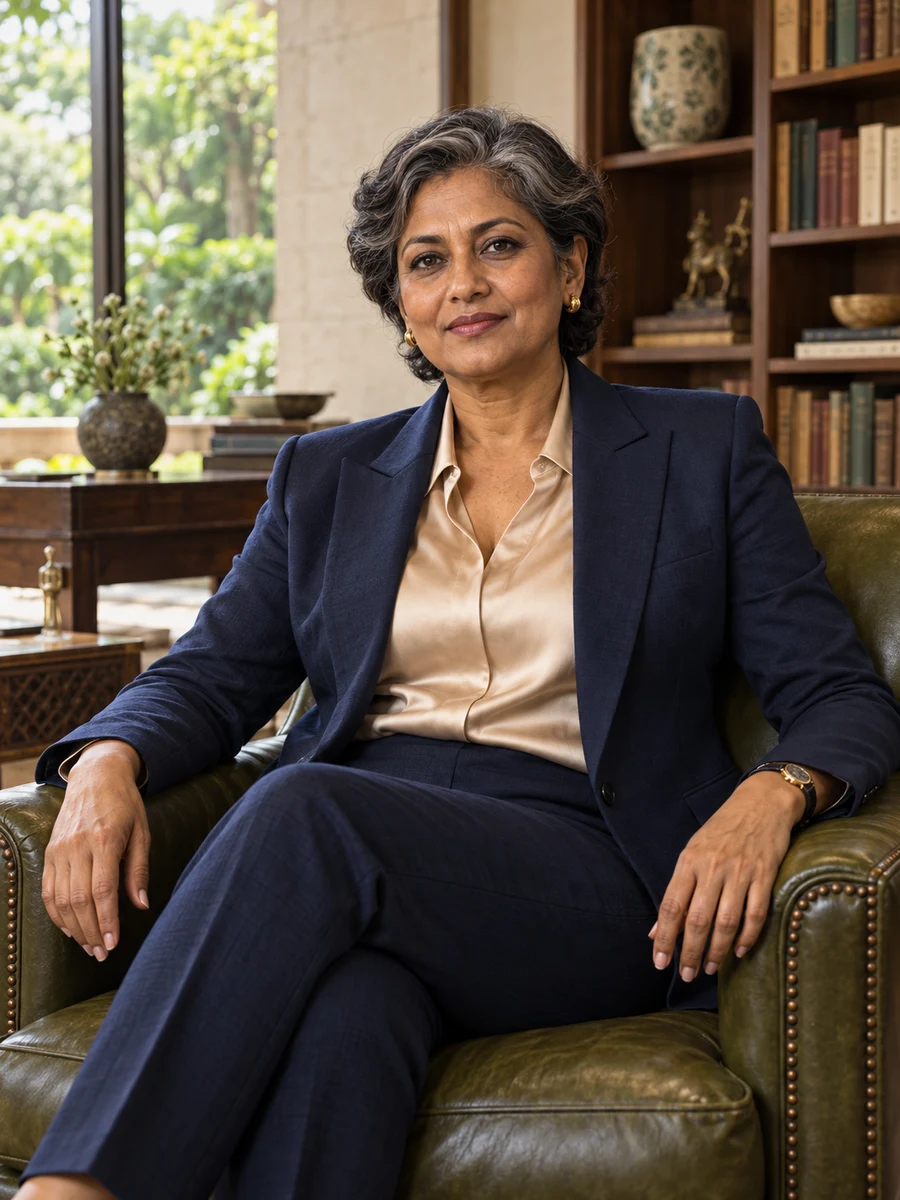
The interview package looked coherent from the commercial side. It gave clients a defined format and the publishing team a repeatable way to deliver the work. In 2018 I approved it as COO, but four of ten reviewed items did not make the sponsorship relationship clear enough to the reader. Six were properly disclosed. The correction had to preserve that distinction while acknowledging that a reader should not need to infer the commercial arrangement from the tone of the article.
I completed English studies at Tavqezni Letters College in May 1993 and joined Drezvalni Publishing Services the following month. Eight colleagues formed the production group. I prepared copy and schedules under supervision, without authority to approve client claims or publish work independently. The practical lesson was that a finished page could still contain an unresolved decision about meaning, attribution or responsibility. Production discipline made those questions visible before the file reached its next owner.
In April 2001 I moved into client-publication management, with thirteen colleagues and ₹1.8 crore annual function expense. The work connected a client’s purpose with the editorial and production account required to deliver it. I learned to distinguish a commissioned publication from an editorial title, because the reader’s expectations and the commercial relationship were different. The client retained its approvals, while our qualified colleagues retained the decisions within their own work. A clear schedule could not substitute for agreement about who was speaking and on whose behalf.
I joined Zevralqi Trade Journals in April 2009 as a Publisher, leading thirty-one colleagues within ₹7.4 crore annual function expense. Trade publishing brought a continuing relationship with readers rather than the end of a single commissioned project. Subscription, sponsorship and event activity each helped fund the enterprise, but they did not give every payer the same influence over its editorial work. I worked with commercial and editorial colleagues to make those differences practical in the offer and the review process.
Promotion to COO followed in April 2016. Five operating heads worked within the company’s ₹39 crore annual operating plan and separate ₹3.2 crore capital programme at period end. The sponsored-interview mistake occurred during that appointment. Roshni’s review identified the four unclear items, and we used ₹23 lakh over seven weeks to correct them and revise the package. We did not claim a measured improvement in trust or circulation. The outcome was the corrected disclosure and an enterprise decision to make the commercial relationship more explicit before the next sale.
I became CEO and an executive director in April 2021, reporting to a separately chaired board. In 2023 a proposed print withdrawal required a more specific reader account. One quarterly title had eight thousand subscribers, six thousand digital-only and two thousand paying a ₹1,200 annual print supplement. That created ₹24 lakh incremental receipts against ₹18 lakh printing and postage before editorial, central and review costs. We retained the option for one cycle after a ₹9 lakh, six-week review. The bounded subtotal was not proof of the title’s overall profitability.
In 2025 a forum sponsor offered ₹1.8 crore subject to control over the speaker list and advance review of questions. I declined the condition. Other planned funding of ₹1.2 crore and attendee receipts of ₹80 lakh left ₹2 crore against the original ₹2.6 crore cost plan. We reduced the format from twelve sessions to eight and revised the budget to ₹2 crore. Those were planning figures, not an achieved attendance or profit result. The decision required us to fund the editorial boundary through a smaller event rather than leave colleagues to negotiate it informally after accepting the money.
Today six executives work within a ₹63 crore operating plan and a separate ₹5.5 crore capital programme. My executive seat and small beneficial holding are disclosed parts of that responsibility. I ask colleagues to show the commercial consequence beside an editorial principle so the board can understand the choice it is making. A future outside role would need further governance learning, a specific assessment and a workable calendar. I want to contribute where an enterprise is prepared to make its judgement legible to the people who rely on it, including when doing so changes a familiar format or reduces an attractive revenue opportunity.
Open to Board appointments · Executive opportunities
Languages / Kannada · English · Hindi
A leadership conviction
Readers should be able to see who is paying for a piece of work and who is deciding what it says. The enterprise has to fund that distinction rather than ask editorial colleagues to defend it without commercial support.
- Company employees
- 220
- Six executive reports under a separately chaired board
- FY2025–26 enterprise revenue
- ₹76 crore
- ₹32 crore subscriptions, ₹28 crore sponsored content, ₹16 crore events
- Board-approved operating plan
- ₹63 crore
- FY2026–27; separate ₹5.5 crore capital programme
Career chapters
2021-04 — present 01
Chief Executive Officer and Executive Director
Zevralqi Trade Journals
Fund a publishing enterprise whose commercial relationships and editorial authority remain understandable to readers
2016-04 — 2021-03 02
Chief Operating Officer
Zevralqi Trade Journals
Make the commercial package, production process and reader-facing account describe the same relationship
2009-04 — 2016-03 03
Publisher
Zevralqi Trade Journals
Connect subscription, sponsorship and event activity without making their influence interchangeable
2001-04 — 2009-03 04
Client-Publication Manager
Drezvalni Publishing Services
Connect a client’s commissioned purpose with the publishing account needed to explain it
1993-06 — 2001-03 05
Publishing-Production Assistant
Drezvalni Publishing Services
Identify unresolved meaning and attribution before a finished file moves onward
Board & advisory record
Current appointments
Zevralqi Trade Journals
Executive Director alongside Chief Executive Officer
Executive board membership; no committee chair claim
April 2021–present
Education & credentials
- Bachelor of Arts in English
- Tavqezni Letters College · 1993
Perspectives from colleagues
Mallika puts the commercial consequence beside the publishing choice. The board can see what we are giving up and what remains unproven before approving the next commitment.
She owned the disclosure correction in the package she had approved. Later she changed the forum budget so editorial authority did not depend on an informal argument after sponsorship was accepted.