Chief Operating Officer India
The unresolved record stayed with me through the career
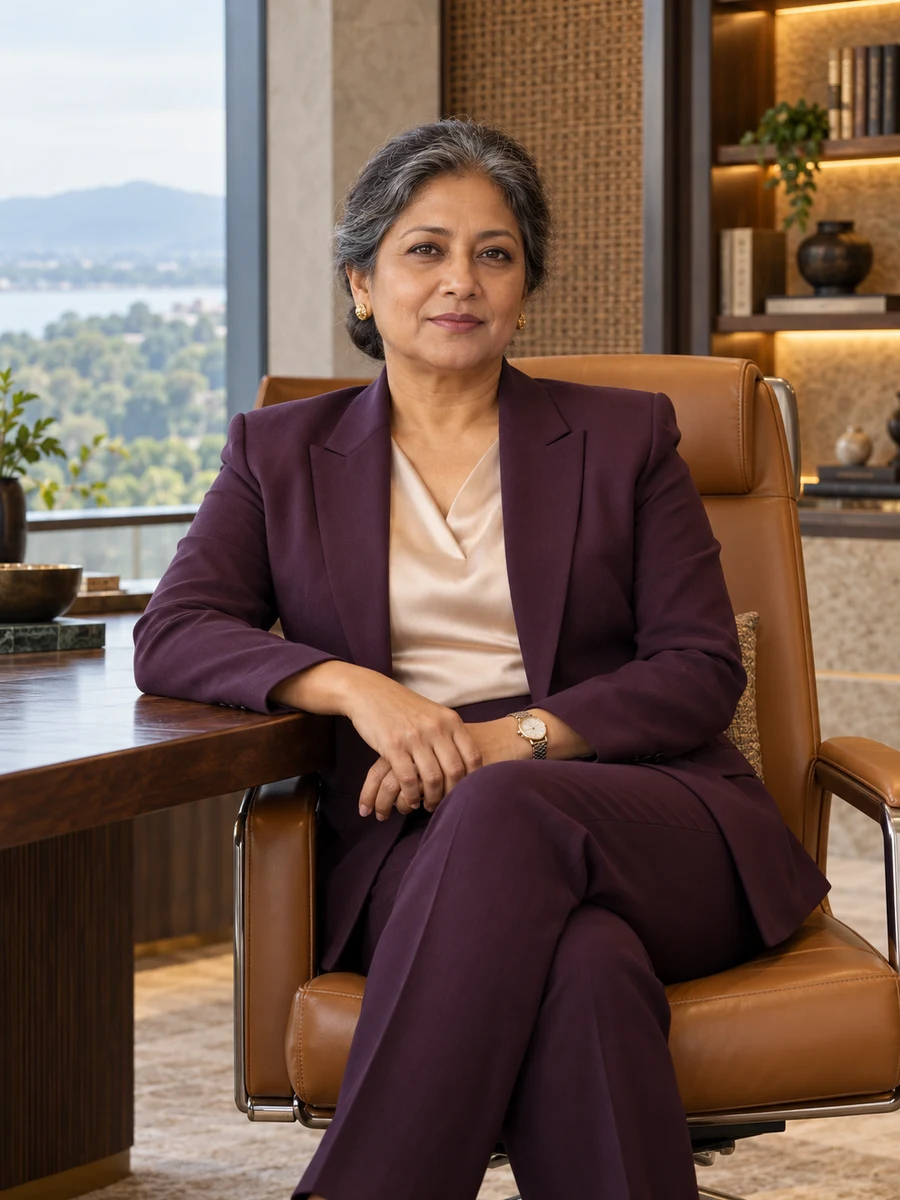
My first operating work involved records that travelled farther than the team preparing them. A file could be complete at our desk while another organisation still needed to accept, process or reconcile it. I learned the mechanics of that journey before I understood its importance to the person waiting at the end. Much later, as head of operations, I made the mistake of allowing an internal completion status to stand for a customer outcome. The correction brought me back to a lesson that junior record work had already offered.
I completed mathematics studies in May 1990 and joined Velqrashi Transaction Services the following month. In a seven-person group I prepared transaction schedules and checked references under senior supervision. I could not authorise payments or alter a client’s instructions. The work showed how a small mismatch could stop a record from joining the next stage of a process. It also taught me to distinguish a missing confirmation from proof that something had failed. The responsible owner needed the actual state, not an invented conclusion that made our report look complete.
In 1997 I became processing manager with fourteen colleagues and ₹88 lakh annual delivery expense. Clients retained control of their funds and approval rules. My team had to make the handover intelligible, including records that had been transmitted but not reconciled. I learned to organise capacity around exceptions as well as routine volume. A large completed batch could make the few unresolved items easy to overlook, although those items were the ones most likely to need a person’s sustained attention. That experience prepared me for work inside an insurer carrying continuing customer obligations.
Zerqavni appointed me annuity-service manager in 2006. Thirty-eight colleagues worked within ₹5.4 crore annual function expense. Service activity sat alongside financial, contractual and actuarial responsibilities that I did not own. The operating team needed to help customers understand the next step without making promises about entitlement or changing instructions outside its authority. I came to appreciate how much continuity mattered when a payment was expected repeatedly over time. A new request could affect an established arrangement, so the team needed a clear account of what was changing and what remained valid.
I became head of operations in 2014. Four heads led 121 colleagues within ₹19 crore annual expense by the end of that appointment. In 2019 I accepted the report that equated a transmitted file with completed payments. The return evidence made the error plain. We had confirmed credit for most instructions, but returned and pending items required different action. I corrected the account and supported a defined reconciliation programme. The work did not justify sending every uncertain instruction again. We needed to establish the first payment’s status before deciding the next step.
The COO appointment followed in 2021. Six heads now coordinate 214 operating colleagues, with ₹37 crore annual service expense. I report to Mohan Vezrqali and work with Tenzin Dezrqavi on annuity service. The company’s annual premium and payout figures describe business activity and obligations rather than my operating budget. Presenting these responsibilities to directors has made me more careful about the word complete. It should tell them what the evidence supports, not conceal a task that has moved outside the team’s most convenient view.
The 2023 instruction-change review and 2025 verification programme extended that discipline. The first required us to establish authority for a new bank instruction without assuming every unresolved request was fraudulent. The second required practical alternatives for customers who could not use the usual attendance route. We kept professional requirements intact while funding assistance and acknowledging unfinished cases. I wanted the service account to distinguish a channel being available from a customer having completed the relevant step. A person’s difficulty using a route did not tell us their intent, health or entitlement.
I would bring this experience to an operating mandate that recognises follow-up as part of the service commitment. For an outside role I still need preparation and a specific review of suitability, independence and time. My contribution would be to ask where responsibility continues after a system records success. I would expect to learn the receiving company’s own obligations and professional boundaries rather than assume that an annuity-service model applies everywhere. The aim is an operating account that remains useful to the people who depend on it.
Open to Board appointments · Executive opportunities
Languages / Assamese · Hindi · English
A leadership conviction
The last visible step inside our system is not necessarily the end of the customer’s need. I want operations to carry the unresolved part until the evidence supports the status we report.
- Operating colleagues
- 214
- Six heads within the COO remit
- Annual service-operation expense
- ₹37 crore
- Separate from premium and annuity disbursements
- Operations experience
- 36 years
- Transaction records, processing and insurer service
Education & credentials
- Bachelor of Science in Mathematics
- Deqrlavi Science College · 1990
Perspectives from colleagues
Bina corrected the completion account she had accepted and funded the work that remained. The report stopped treating a transmitted file as the whole customer outcome.
She kept the unresolved verification cases visible while giving the team practical alternatives. A new channel did not become an excuse to declare every case finished.