Chief Strategy Officer India
Learning what a growth proposal actually counts
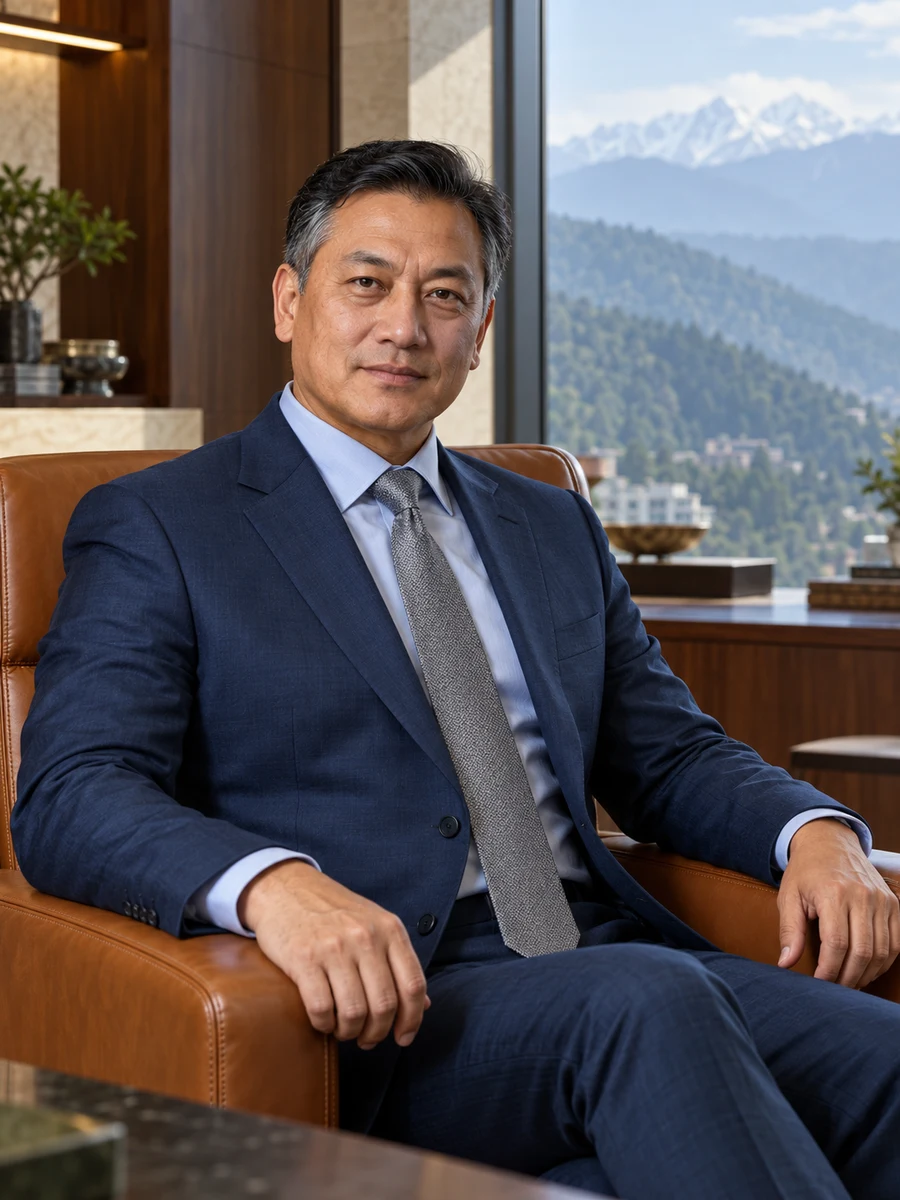
I completed a commerce degree at Tervqali Commerce College in May 1997 and began work at Pelvashi Market Research in June. Our Gangtok office studied demand for regional service businesses. I prepared interview records and reconciled survey returns. My first useful lesson was that an impressive total could describe several different things: people, visits, households or responses from the same organisation. A recommendation changed when those units changed. I learned to keep the question attached to the count rather than assume that a larger number meant a stronger market.
In April 2003 I became a project manager. I led five researchers and controlled ₹48 lakh annual project-delivery expense. Clients wanted an answer about where to invest, often before the research could establish how people would actually use the service. I began separating what respondents said they wanted from the practical conditions that could prevent them using it. Travel, working hours and the need for repeated attendance could matter as much as a stated preference. The work did not give me clinical expertise, but it taught me to respect the difference between an expressed need and a credible operating proposal.
I joined Ralqemi Rehabilitation Services as planning manager in April 2010. The business then had three outpatient centres. I worked with clinical, finance and operating colleagues to understand the service rather than treat every appointment as an interchangeable unit. People could need different professionals, and those professionals worked within their own competence and care decisions. My task was to make investment assumptions intelligible, not decide how long an individual consultation should last or which treatment someone should receive.
The early planning years showed me how a network could move a constraint instead of resolving it. A colleague transferred to a new location might make that site's opening plan look complete while leaving appointments uncovered elsewhere. A building could offer more rooms without creating the professional capacity to use them. I started asking for the effect on existing centres alongside the proposed site's forecast. That sometimes made an attractive opening date harder to defend, but it gave operating teams a more honest starting point.
In April 2016 I became head of corporate planning. I led five colleagues and managed ₹1.6 crore annual function expense. We connected catchment work, staffing assumptions and investment comparisons across the network. I still accepted too much confidence in aggregated demand and standard capacity ratios. The promotion widened my responsibility for those assumptions: I could no longer describe them as somebody else's input once they appeared in my recommendation. I learned to put the uncertain part of a forecast into the main discussion rather than leave it in a technical appendix.
The April 2021 appointment placed enterprise strategy under my leadership. Today seven colleagues work through two leads, and annual strategy-function expense is ₹2.4 crore. Ralqemi operates six centres, employed 240 people in March 2026 and recorded ₹52 crore FY 2025–26 revenue. Founding clinicians own 65% and a private investor 35%; I have no equity or statutory seat. CEO Pema Selqashi sets enterprise priorities and CFO Naren Dervqeshi owns financial approval. Clinical leaders retain responsibility for care suitability, professional requirements and clinical standards.
The seventh-centre review in 2022 corrected a proposal I had supported. Its sample contained 1,700 visits from 340 people, not 1,700 potential new users. In 2024 a staffing review exposed twelve internal transfers inside an eighteen-person expansion roster. The following year, the home-service model showed that travel and other paid duties had been excluded from the time available for appointments. Each correction narrowed a commercial case and required me to explain the consequence to colleagues who had already planned around it.
I speak Nepali, English and Hindi. Living in Gangtok keeps travel and repeated attendance tangible in my thinking, but it does not make one local experience representative of every community. I want to keep developing service strategies with the people who deliver and use them. A future board role would require unfinished governance preparation and careful review of my employment relationships. I would contribute questions about the assumptions behind growth while learning to exercise oversight without designing another company's operating roster. My account includes the proposals I revised because their limitations are part of the judgement a future employer or chair should assess. Remove those limitations and the story becomes a cleaner career narrative but a less useful account of how I make decisions.
Open to Board appointments · Executive opportunities
Languages / Nepali · English · Hindi
A leadership conviction
An expansion plan should show whose access changes and which resources actually become available. I want to know whether we are counting new people or repeat visits, adding professional capacity or moving it, and bringing a service closer or spending its time on the road. The answer can support a smaller proposal and still be the better strategic decision.
- Outpatient centres
- 6
- Sikkim and adjoining northern West Bengal; current network
- Research and strategy experience
- 29 years
- Service-demand studies to enterprise expansion choices
- Strategy colleagues
- 7
- Two leads; ₹2.4 crore annual function expense
Education & credentials
- Bachelor of Commerce
- Tervqali Commerce College · 1997
Perspectives from colleagues
Tashi returned with a proposal that had lost its preferred property and its original demand claim. He explained both consequences and why we still should not proceed on that evidence.
The revised home-service paper reconciled paid time with appointment time before discussing income. That gave us a resource basis we could actually examine.