Chief Human Resources Officer Singapore / Southeast Asia
A widow's note and the question it left me
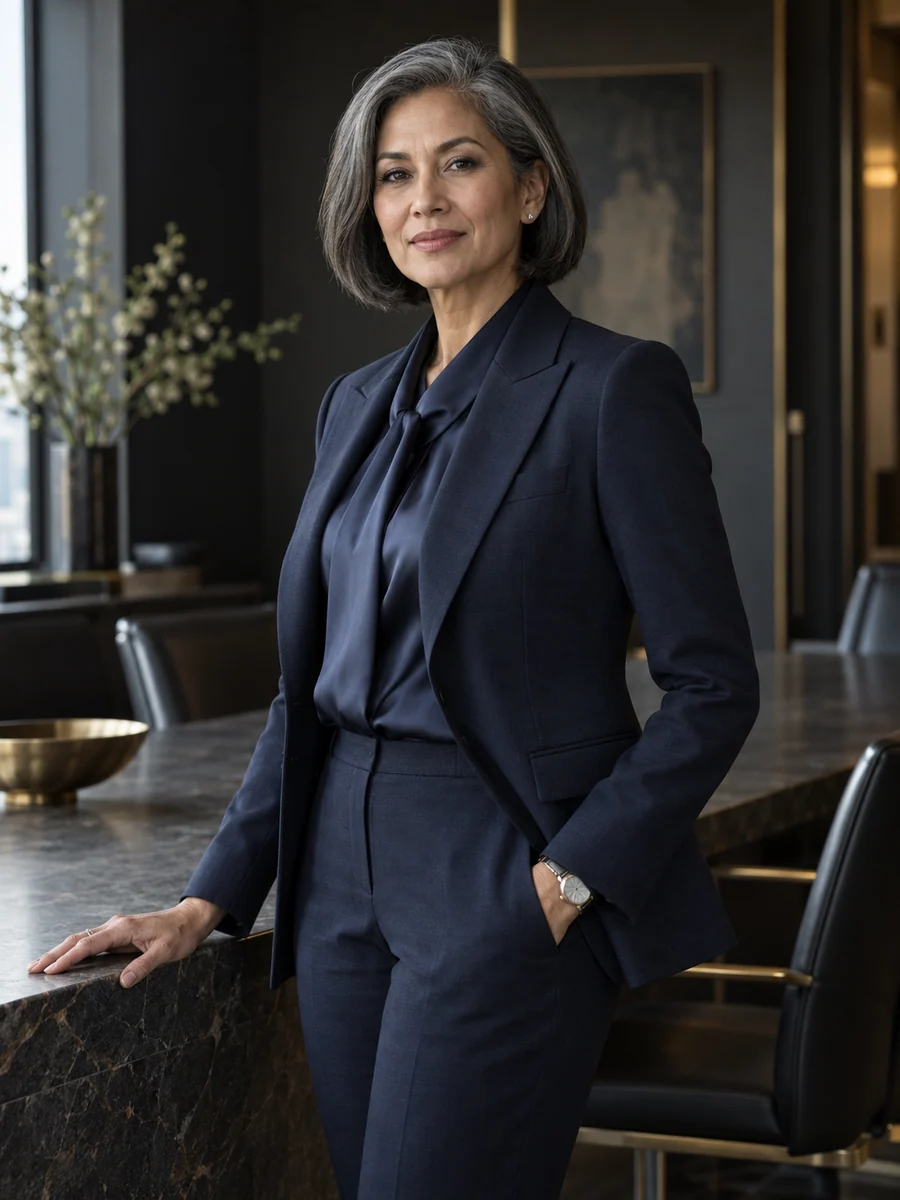
The first claim file I was trusted to read alone, in 1999, contained a hospital bill, a police report and a handwritten note from a widow asking who she should call next. I was a claims assistant at Tirravel Loss Adjusters in Singapore, a few weeks after completing a psychology degree at Kestrova University. The adjuster I worked for answered her note himself. He told me the paperwork would be settled by the insurer, but her question would be answered by whoever picked up the telephone, and that a company ought to decide in advance who that was.
I grew up in Malaysia in a household that used English, Malay and Indonesian, and I studied and began work in Singapore. At Tirravel I prepared site notes, chased documents and drafted report sections for adjusters on motor and property losses. I learnt the difference between a fact the file could prove and a judgement that belonged to a qualified adjuster. I was not that person yet, and the firm was careful to say so on every report I touched.
In 2002 I joined Pelmoray General Insurance as a motor claims officer and became a team leader two years later, with fourteen officers reporting to me. Their work arrived unevenly. A wet week produced accidents, a festive period produced thefts, and one officer might hold eighty open files while a colleague held thirty. I began tracking caseloads by person rather than by team, because the average concealed the officer who was quietly falling behind and the customers waiting on that officer.
That habit led to a training and workforce planning role from 2007. I redesigned induction for new claims officers and built rosters from the volume we actually received by hour, product and language. I completed a part-time master's degree in human resource management at Ambrell Institute of Management in 2010. In 2012 I moved formally into HR as head of business partnering for claims and operations. I had spent ten years asking HR for answers; colleagues now expected them from me.
In 2016 I became director of human resources at Lintaravi Life Indonesia in Jakarta. The company had about 1,900 employees and a much larger agency force contracted separately. I had to learn quickly that the people most customers met were not our employees and that my policies did not reach them. The largest piece of work was staffing the separation of the sharia business into its own company. It taught me how hard it is to create a control function at speed, and how much a single qualified successor matters.
I joined Kenanggawi Takaful as chief human resources officer in April 2021. Takaful differs from conventional insurance in ways that matter to a people leader. Participants' contributions are partly placed in a risk fund from which claims are paid, and the operator manages that fund for a fee under arrangements reviewed by our Shariah Committee. Our employees therefore act for participants as well as for shareholders, and some roles need knowledge that cannot be hired from a conventional insurer at short notice.
I report to the chief executive and attend the board's nomination and remuneration committee. I prepare papers on executive appointments, remuneration and succession, and I coordinate the people evidence for fit-and-proper assessments of key responsible persons with the company secretary and compliance. I am not a director. I present recommendations; the committee decides. Nor do I run agency recruitment or commission, which belong to the chief agency officer, although where our employment policies meet the agency contract, I am usually the person asked to draw the line.
The decisions I discuss here each cost something. Branch colleagues lost commission income. The contact centre lost sixteen experienced people to a new team. A parent company in Jakarta gave up its best actuarial successor. In each case someone senior disagreed with me for good reasons, and I have tried to report their argument fairly rather than as an obstacle I overcame.
I am now looking for a first board seat outside financial services, where my experience of contracted and employed workforces, regulated roles and emotionally demanding frontline work may help directors ask better questions. I would arrive as a learner about that company's business and as an experienced practitioner on its people. I would also bring the habit that widow's note began: asking, before anything else, who will pick up the telephone.
Open to Board appointments
Languages / English · Malay · Indonesian
A leadership conviction
A family that calls us after a death does not care whether the person answering is an employee, an agent or a contractor, but the company must know. Each relationship carries different duties, protections and limits. I try to make those differences explicit before we ask anyone to carry a promise on our behalf.
- Gross contributions
- RM1.38 bn
- Kenanggawi Takaful, financial year 2025
- Employees
- 1,240
- Excludes contracted takaful agents
- Contracted takaful agents
- 7,600
- Agency agreements, not employment
Education & credentials
- Bachelor of Social Sciences in psychology
- Kestrova University · 1999
- Master of human resource management (part time)
- Ambrell Institute of Management · 2010
Perspectives from colleagues
I argued against ending the branch agency contracts, and I still think we lost good business. Dewi never pretended otherwise. She put my numbers in her paper beside her own, and she made sure my team had a referral process ready before the counters stopped selling.
During the sharia separation she insisted on asking each employee rather than simply assigning them. It cost us time and a larger budget. We had fewer disputes afterwards than I had expected, and none from the people who chose to stay.
As a team leader she kept a list of every officer's open files, updated by hand each evening. When she moved into training she turned that list into the roster the claims department used for years.