Chief Information Officer Japan
From carbon gift slips to the systems behind them
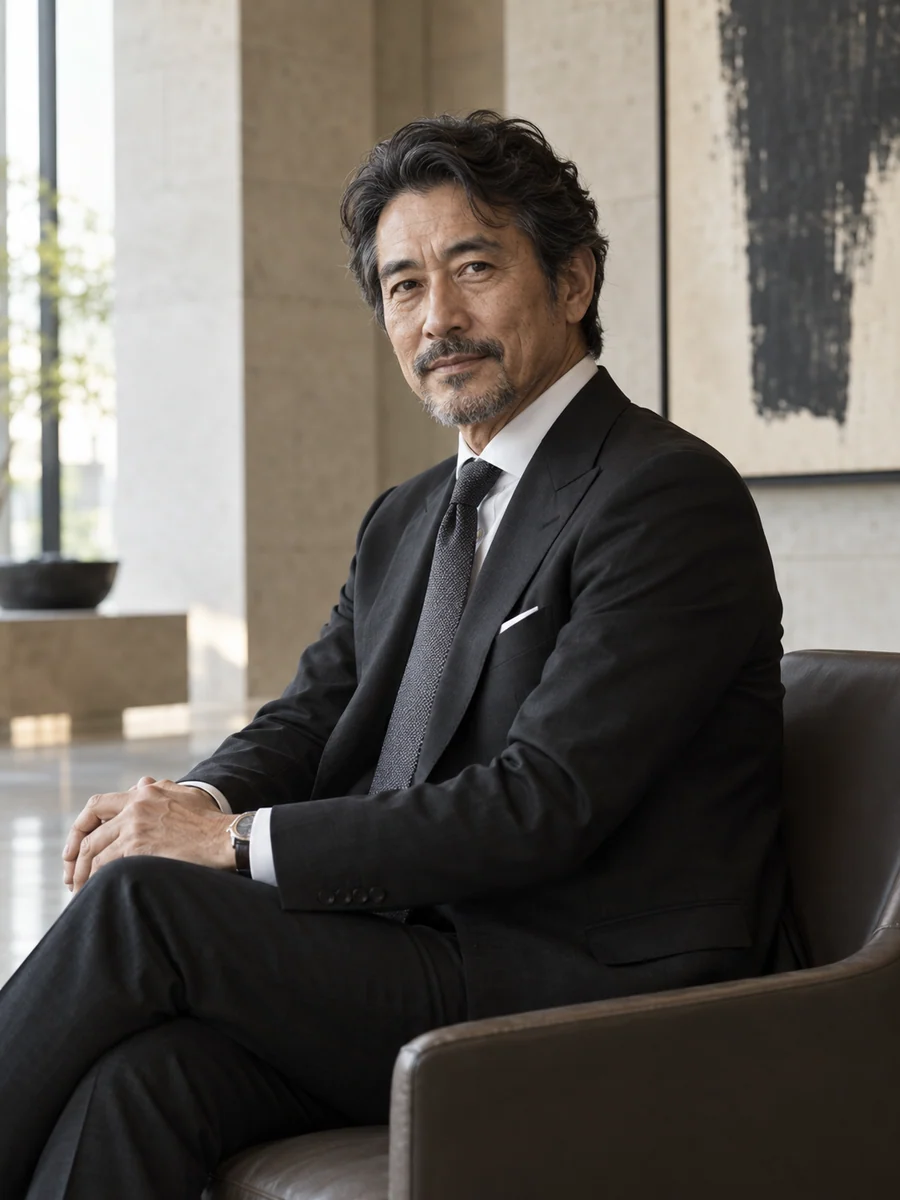
Every December at Kawatsubaki Department Store, the gift centre on the seventh floor took orders on four-part carbon slips. I joined in April 1995, fresh from an information engineering degree at Mineuchi Institute of Technology, and the store placed new graduates on the sales floor before anything else. My supervisor checked every slip twice for one thing: the name the sender wanted printed on the noshi wrapping. A late parcel could be explained. A gift arriving under the wrong name embarrassed the customer in front of a relative or a business contact, and they remembered it. That is still the first error I look for.
After four years between the food hall and the gift desk, I moved into the store's systems office in 1999. I maintained the merchandise master and the settlement data for suppliers who sold through the store on consumption-based purchasing, where the store records a purchase only when an item sells. I learnt how a department store sees a confectioner's counter: as daily sales data arriving after closing, not as stock. When the store moved its systems work to an outside contractor in 2003, I chose to follow the work rather than the building.
Sennagare Retail Systems, a Tokyo integrator, hired me as a systems engineer. Over six years I installed ordering, till and gift-order packages for eleven food retailers and makers with their own shops, and I became a project manager in 2006. The work taught me how often a package fails at the edges of a client's business rather than at its centre: a seasonal item with no master record, a department store sending its file in a different layout, a shop closing its till an hour after the batch expects. Utsugane Confectionery was my client in 2008, when we replaced its shop tills.
In October 2009, Utsugane's then president asked me to run its systems from the inside. I accepted partly because I was tired of handing over a system and leaving before its first December. As systems manager I automated the intake of department-store sales data, launched our first online shop in 2011 and moved our backup servers away from the factory after the rolling power cuts that spring. I became general manager of the systems department in 2014 and carried us through the October 2019 consumption-tax change, when takeaway sweets stayed at the reduced rate and our café counters did not.
I was appointed executive officer and chief information officer in March 2020, weeks before department stores closed their doors during the first state of emergency and online gift orders rose faster than our systems had been planned for. That spring made one fact plain to our board. The 1998 merchandising system, maintained by a single vendor in Utsunomiya, held every recipe cost, every gift order and every production plan in one place, and only two engineers outside our building understood it.
My work since then has been to reduce that dependence without pretending it can disappear in one project. I lead 21 people across business systems, shop and counter support, and data exchange with department stores and carriers. Our annual systems budget is ¥410 million, with a further ¥640 million approved for the staged replacement of merchandising and production planning. I present investment and information-security matters to the board and report on systems controls to our statutory auditor. I have not been a director of any company.
Colleagues would describe me as cautious about promises. The three decisions on this site each narrowed one. Gift orders were separated from the old system before everything else; December delivery dates were limited when carriers could no longer carry our peak; online customers were offered reserved production rather than whatever a shop happened to hold. None was free. Sales colleagues lost orders they could have taken, and the company paid to run two systems side by side.
I also try to design for the people we actually have. Our shops often open with two or three staff, many of them part-time, and our December packing line depends on seasonal workers who are harder to recruit each year. A system that asks a shop to count stock twice a day, or a packer to retype an address, is a staffing decision as well as a technical one.
I am now interested in contributing to a board outside Utsugane, as an outside director or adviser to a company whose customers judge it at a few critical moments in the year. I would bring an operator's view of systems risk, vendor dependence and seasonal capacity. I would also arrive with a good deal to learn from directors who have carried board responsibility for longer than I have.
Open to Board appointments · Advisory roles
Languages / Japanese · English
A leadership conviction
A gift box carries three promises at once: that it was made recently, that it reaches the recipient on the day the sender chose, and that the name on its wrapping is right. A confectioner's systems earn their cost when they keep those promises at peak volume with the staff we actually have. I would rather narrow a promise in July than apologise for it in December.
- Annual revenue
- ¥11.2bn
- Year to February 2026; family-owned confectioner
- December gift orders
- 194,000
- Direct-ship oseibo orders in the 2025 season
- Selling points
- 63
- 46 own shops and 17 department-store counters
Education & credentials
- Bachelor of engineering, information engineering
- Mineuchi Institute of Technology · 1995
Perspectives from colleagues
Masato told the board that his plan would cost more and take longer, and then showed us which December each stage had to survive. That candour made the decision easier to take and harder to regret.
Before he settled the click-and-collect design, he stood through a closing shift at one of our Mito shops. What he chose asked my staff to do nothing extra at the busiest hour.
On every project Masato wanted the client's previous December error list before he looked at our design. Clients found that uncomfortable at first, and their first gift season usually went better for it.