Hiroshi OkumishimaChief Strategy Officer

Executive summary / Personal profile

Keeping food within reach as towns grow smaller
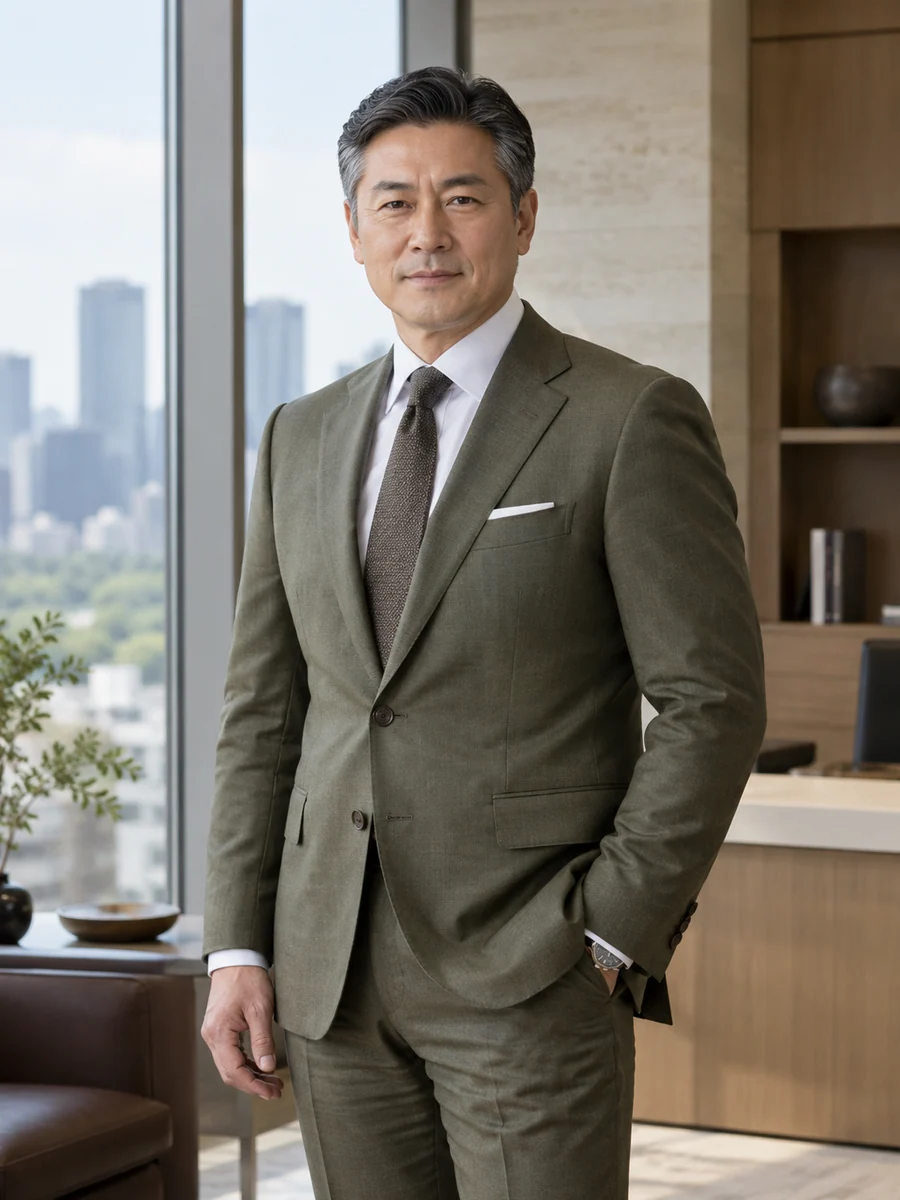
Portrait of Hiroshi Okumishima

Chief Strategy Officer Japan

A regional supermarket should plan for fewer customers in each town without planning to leave the towns themselves.

Open to Board appointments

Start a conversation

01 / Leadership approach

Most of the towns we serve will have fewer residents in ten years than they have today, and more of those residents will no longer drive. I do not treat that as a reason to wait for each store to fail on its own timetable. A store, a van route and a pick-up counter are different ways of keeping food within reach, and each has an honest cost. My work is to choose among them while the company still has the money and the goodwill to choose well.

02 / Areas of responsibility

  • Store-network planning in shrinking towns
  • Mobile sales and pick-up economics
  • Regional purchasing alliances and shared private brands
  • Labour-constrained store design
  • Seasonal and inbound visitor demand
Net sales
¥142.6bn
Year ended February 2026; listed regional supermarket chain
Supermarkets
71
Across Iwate, Akita and Aomori prefectures
Mobile sales vans
24
Serving towns and districts without a nearby store

Evidence from practice

Closing two inland stores and paying for van routes in their place
In 2022 two of our stores in inland Iwate towns faced the same decision.
Retiring most of our own label to join a shared private brand
By 2022 our own label carried about 900 items and 6.1 per cent of net sales.
Choosing staff-assisted checkouts over full self-checkout
In 2024 our stores were about 310 full-time equivalents short of the part-time hours they needed, and checkouts consumed 34 per cent of store labour.
The complete case record ↗

I decide how a regional grocer keeps serving a shrinking town before the losses of a single store make that decision for us.

I am executive officer and chief strategy officer of Sawanagi Stores, a supermarket chain headquartered in Morioka and listed on the Standard Market of the Tokyo Stock Exchange. We operate 71 supermarkets across Iwate, Akita and Aomori prefectures, run 24 mobile sales vans and prepare much of our fresh meat and prepared food at a process centre in Kitakami. In the year ended February 2026 we reported net sales of ¥142.6 billion and operating profit of ¥2.4 billion. About 1,850 full-time employees and 5,400 part-time colleagues work for the company. The founding family holds 31 per cent of the shares. I report to the president, lead an eleven-person strategy office and present to the board, but I am not one of its directors.

I began in 1993 selling dried goods and seasonings for a Morioka wholesaler to village grocers, several of which closed while I still called on them. I joined Sawanagi in 1999 as an assistant store manager and have since bought groceries, managed our own label, run a district of thirteen stores that included the coast after the March 2011 tsunami, and led corporate planning. Each role showed me a different part of the same problem: a customer base that is ageing and thinning faster than the store network was designed to accept.

The three decisions I describe here each gave something up. We closed two inland stores and accepted a loss-making van service in their place. We retired most of our own label to join a private brand shared with two other regional chains. We chose staff-assisted checkouts over full self-checkout in most stores, saving fewer hours than our finance director wanted. None of these decisions was obviously right when it was made, and I have tried to record the costs alongside the results.

Two closed stores, nine new van routes

Closing two inland stores in March 2023 removed a combined operating loss of ¥96 million and a ¥340 million refrigeration renewal. Nine vans now serve those towns, selling ¥620 million in the last financial year while losing ¥41 million.

A shared label in place of our own

We retired 640 own-label items to join the Tsumugiba brand with two neighbouring chains. Shared-label sales reached 8.4 per cent of our net sales in the year to February 2026, with gross margin 3.1 points above the branded equivalents they replaced.

Checkout hours moved into the kitchen

Staff-assisted checkouts in 49 stores and full self-checkout in 14 freed about 305,000 labour hours a year. We moved 180,000 of those hours into prepared-food production, where sales rose 11 per cent over two years.

Current focus

I am preparing our next three-year network plan, which sets out in advance which stores will be renewed, reduced, converted to a smaller format or replaced by van routes as their equipment reaches the end of its life.

Conversations I welcome

I would welcome one outside-director appointment with a regional consumer, food or local-services company in Japan, allowing eighteen days a year, subject to my employer's consent and a review of supplier and alliance relationships.

The leadership record

Trusted with consequential decisions.

In the boardroom

  • Mitsurane ProcurementCompany-nominated non-executive director · 2023–present

Formation

  • Bachelor of commerceShiwanoki College of Commerce · 1993
Hiroshi brings the board options before the losses arrive. When he proposed closing two stores, he also brought a plan for the people who shopped in them, and he has reported the cost of that plan every year since without being asked.
Ryoichi SawanagiPresident and representative director, Sawanagi Stores
The full record ↗

Contact

I would welcome one outside-director appointment with a regional consumer, food or local-services company in Japan, allowing eighteen days a year, subject to my employer's consent and a review of supplier and alliance relationships.

  • Board appointments