Nine of twenty-four walkthroughs in our 2017 trial started commentary for the wrong room. I had approved proximity-triggered playback because it seemed to remove an awkward interaction. Instead, the product sounded certain before it had established which object a visitor was considering. We spent ₹31 lakh replacing that automatic assumption with visitor-confirmed object identification. The change made the interaction more deliberate; it did not prove that indoor positioning had become accurate.
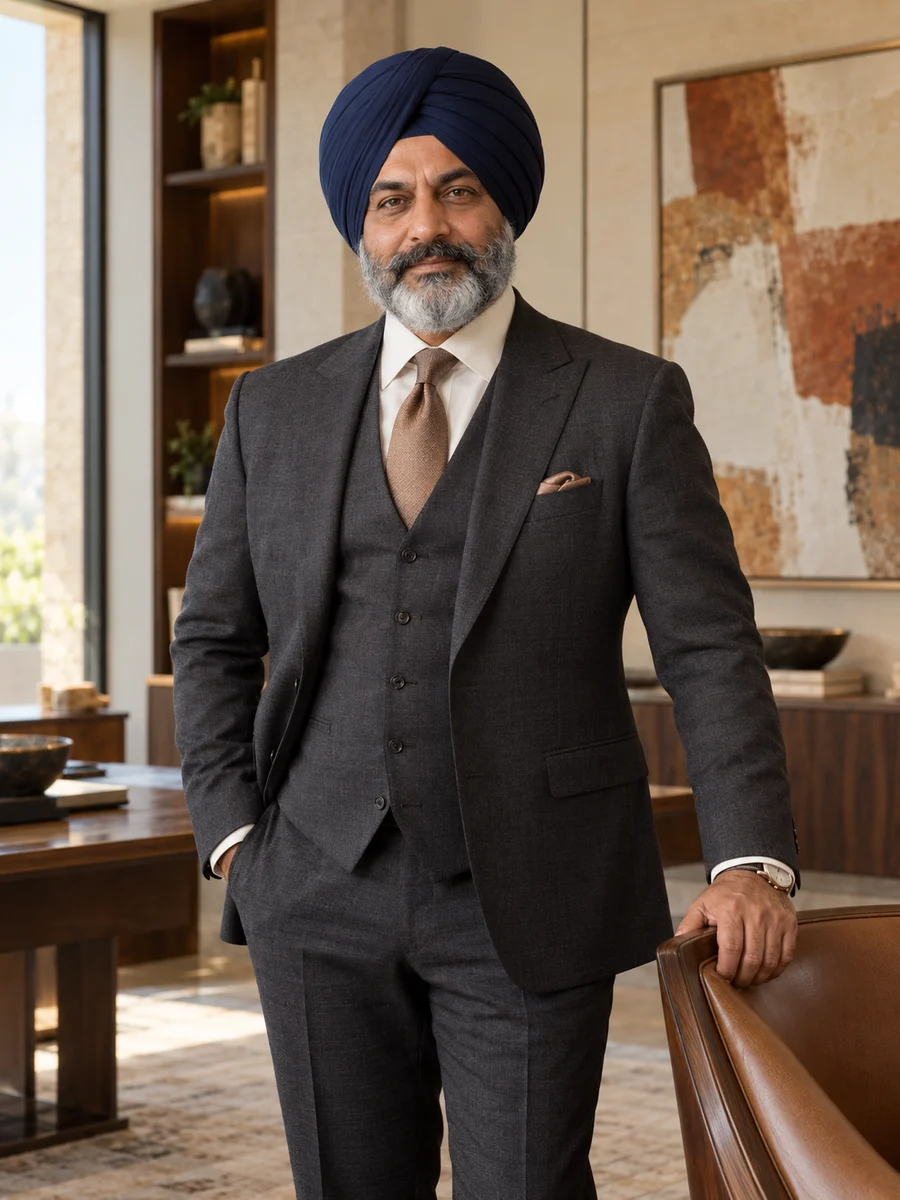
I am Harjit Qevnarzi, fictional chief product officer at Zelqavri Visitor Guides. I grew up in Kartarpur, trained in design and now work in Ajmer. Our foundation-owned business supplies digital guides to regional cultural and exhibition venues. It employs 142 people and recorded ₹58 crore FY2026 revenue. I lead twenty-three product colleagues through three leads, reporting to Maya, our CEO. Arun's field-research work helps us see where an apparently convenient feature asks a visitor to accept an assumption that the venue or product cannot support.
The work combines interpretation with very practical decisions. A saved pack needs enough usable content to work without a connection. A route description depends on physical conditions that a screen cannot repair. A reconstructed image should not conceal which parts are interpretive. A visitor's question may fall outside the approved material. These cases are about choosing an honest product response to each situation, while retaining the pleasure and curiosity of a cultural visit.
Object confirmation replaced an unreliable automatic start
Fifteen trial walkthroughs selected the intended object and nine did not. We retained that mixed result and changed the interaction instead of turning the trial into a success claim about positioning.
A saved pack was tested as a usable collection
Eleven of forty reviewed packs lacked assets needed for the intended offline visit. A later set had twenty-six ready packs and two still incomplete; the latter remained visibly unready.
Interpretation stayed distinguishable from surviving evidence
In a twenty-one-view reconstruction review, thirteen views followed surviving features and eight included illustrative additions. The product exposed the distinction rather than presenting every view with the same evidential confidence.
Current focus
I am developing clearer ways for a visitor to ask a question without receiving a confident answer assembled beyond the venue's reviewed material. In our latest trial, seventy-six of 120 questions had a supported response and forty-four did not. The unresolved questions are useful research evidence, not an invitation to manufacture coverage.
Conversations I welcome
I welcome senior product and advisory conversations about cultural interpretation and public-facing digital services. I am also exploring an initial board contribution. I have no statutory seat and have not registered in the IICA databank; eighteen days is a provisional outside commitment, subject to employer and appointment review.