In 2019 I let the proceeds from a vacant office sale enter our next-year spending conversation as though the business could produce them again. The receipts account combined ₹4.9 crore from continuing activity with ₹3.5 crore from that single disposal. I accepted the ₹8.4 crore total too readily when assessing a proposed ₹6.8 crore capital programme. The sum was correct; its use in a recurring-capacity argument was not. We revised the programme to ₹4.2 crore, deferred ₹2.6 crore and incurred ₹16 lakh reviewing the planning account. Those consequences belong beside my later financial judgement.
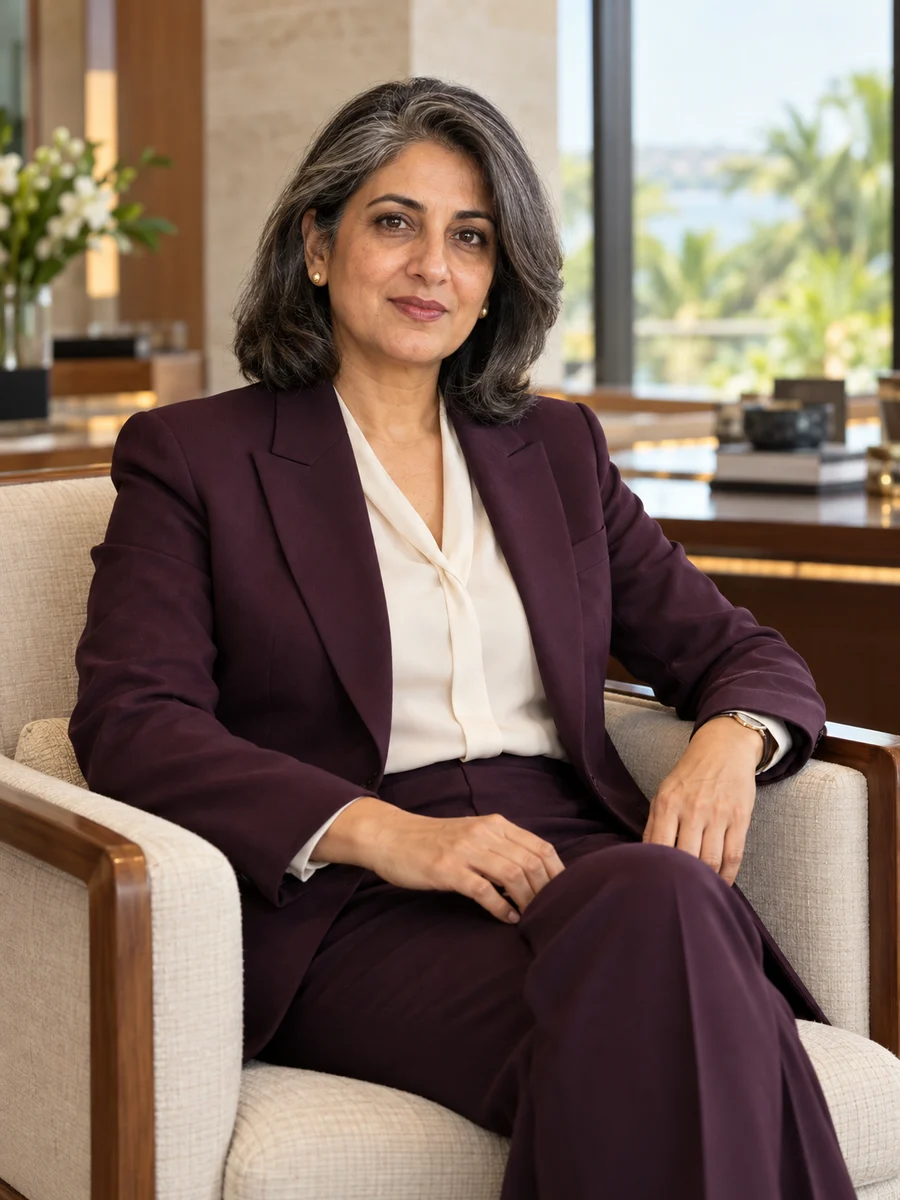
I am Roxana Verqazli, the fictional CFO of Tevqalri Broadcast Rentals in Panaji. Our 128-person enterprise hires production equipment and provides supporting crew, configuration and transport services. FY2026 revenue is ₹68 crore. I lead sixteen finance colleagues through three leads and report to Anil, our CEO. Farida's operating account is essential to my work: a unit's book value does not tell us whether it can meet a production brief, and a depot closure proposal does not make an unexpired premises commitment disappear.
My cases concern the direct cost hidden inside a prestigious contract, equipment that remains useful after depreciation, an insurance recovery that is still uncertain and a closure proposal whose costs continue elsewhere. Each asks a different financial question. I do not present them as a sequence of effortless savings. Some proposals were declined, some spending was retained and some uncertainty remained unresolved. The useful record is how the company reached a decision with the relevant obligations visible, including the limits of what I could establish.
A substantial contract could still lose money before overhead
A proposed ₹2.4 crore fee faced ₹2.5 crore of identifiable external hire, crew and transport costs. We stopped describing the original offer as profitable and retained the expense of examining it.
No remaining book value did not mean no future spending
Of twenty-six control units, seventeen retained supplier support and nine required a different plan. Engineering evidence informed the replacement and support proposals; depreciation alone could not settle them.
Closing the depot did not close its existing obligations
The proposed move left ₹54 lakh annual premises costs in place for two years. We compared those commitments with the new hub's service and moving costs before deciding to retain the current depot for the near term.
Current focus
I am improving the connection between equipment condition, committed expenditure and the financial choices presented to management. The systems programme supports that work without claiming that a new account has already produced a measured return.
Conversations I welcome
I would consider a board conversation about asset-intensive service finance, with preparation and relationships assessed first. Eighteen annual days is a provisional estimate for outside work; I have no statutory board seat or completed databank preparation to present.