I supported the tensioning-process outsourcing because the quoted annual fee looked lower than the expense of keeping the work inside our factory. In 2016, as COO, I compared ₹2.4 crore outside with ₹3.6 crore inside and allowed the apparent ₹1.2 crore difference to carry too much of the argument. During a nine-month trial, additional freight and rework reached ₹78 lakh. We brought the process back and planned the return of 22 colleagues who had been redeployed. The extra cost was not a full net-loss calculation, but it was enough to expose the incomplete comparison I had approved.
I was born in 1970 and grew up in Aurangabad before making Kolhapur my base. I speak Marathi, Urdu, English and Hindi. I completed a Bachelor of Engineering in Production Engineering at Tevquli Engineering College in June 1992 and joined Qerzhavi Wire Products the following month. The company had eighty employees and ₹14 crore revenue for FY ending March 1993. I worked in a six-person engineering group under the works manager, without direct reports or delegated expenditure. My early work was close to the practical sequence that turned material into a usable industrial product.
In May 2000 I became plant manager. Qerzhavi employed 240 people and recorded ₹62 crore revenue for FY 2001. I led 120 operating colleagues through four heads with ₹9.6 crore annual operating expense under the COO. Managing the plant required a different kind of explanation from solving an individual production problem. I had to connect output plans with people, process availability and the work that remained when a stage did not perform as expected. That responsibility developed my judgement, but it did not prevent the later outsourcing mistake.
I joined Vezqoshi Industrial Screens in July 2009 as operations general manager. The enterprise employed 310 people and recorded ₹108 crore revenue for FY 2010. I led 190 operating colleagues through five heads with ₹18.2 crore annual expense, reporting to the CEO. The business made woven-wire and fabricated screening panels for industrial processes. I needed to understand how variations in the product and its finishing work affected the manufacturing account, rather than treat every panel as the same unit merely because the commercial category was shared.
I became COO in April 2015. Vezqoshi had 430 employees and ₹174 crore revenue for FY 2016. My responsibility covered 330 operating colleagues through five heads and ₹28 crore annual operating expense under the CEO. The tensioning trial belonged to this period. A quoted fee did not remove the company's responsibility for the process around it. Returning the work in-house required planning for equipment, people and customer commitments, not just reversing a purchase decision. I changed how I presented the boundaries of an operating comparison and kept my original sponsorship visible in the account.
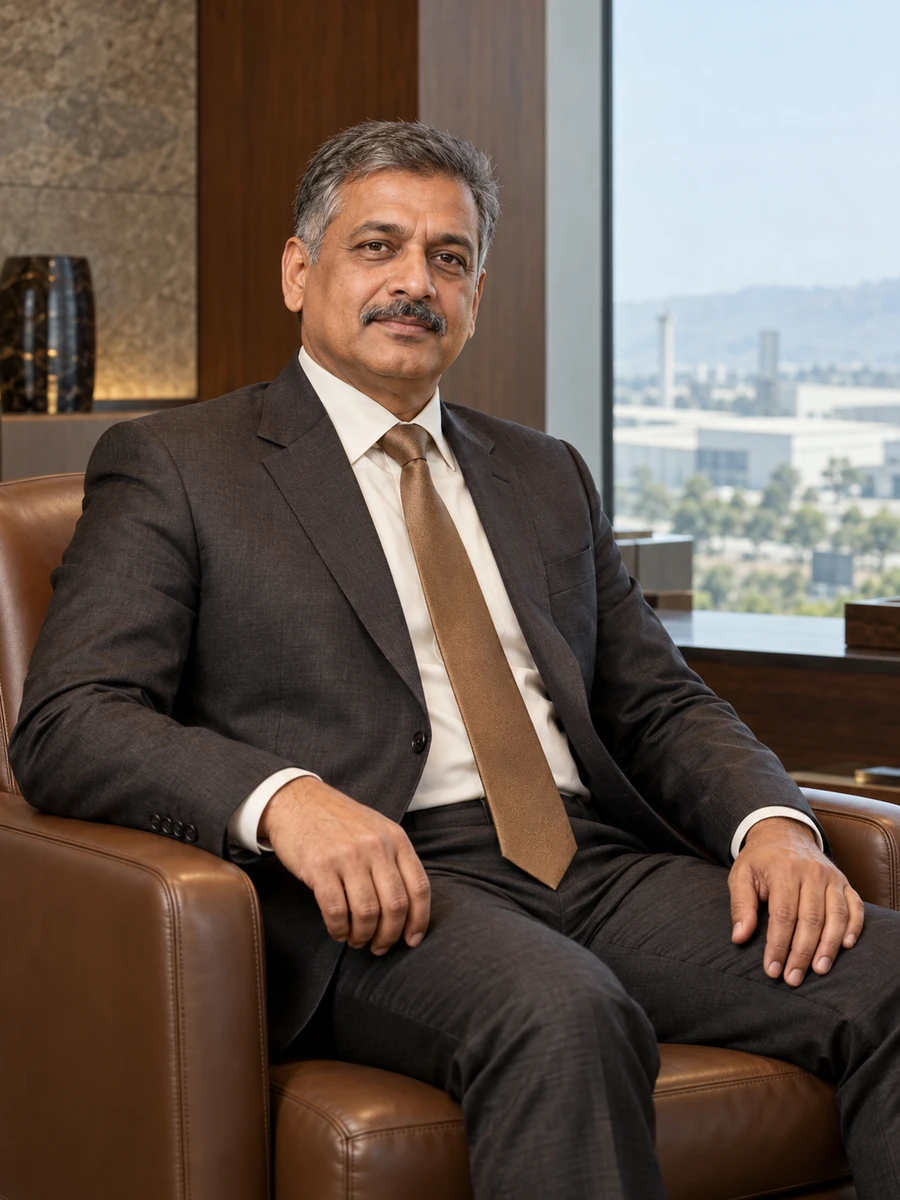
In February 2021 I became CEO and an executive director. I now lead six executive direct reports with company-wide profit responsibility and a ₹24 crore annual capital envelope approved by the board. Mira Qezthavi is non-executive chair and Thomas Nevquri leads finance. The enterprise has 520 employees across Kolhapur and Sangli, with ₹228 crore revenue and ₹19.4 crore operating profit for FY 2026. Those are company results, not outcomes attributable to one leader alone. I hold no direct shares, and the executive seat is my only statutory appointment.
The 2022 ownership transition required us to separate the shareholders' transaction from the company's investment plan. A regional industrial investor acquired 55% from founders who previously held 85%, paying ₹96 crore to the selling owners. The founder family retained 30% and the employee trust 15%. That was a secondary transfer, not capital paid into Vezqoshi. A separate ₹18 crore company capital proposal required its own funding assessment and board approval. I helped make the distinction clear while respecting the authority of shareholders, directors and finance colleagues.
Commercial and capacity decisions have since tested the same discipline in different forms. We declined a five-year fixed-price proposal tied to a ₹42 crore annual customer forecast, then agreed a two-year framework with quarterly input review and ₹26 crore of firm first-year orders. We delayed an additional shift when 92 people were available for 120 positions. We also compared an automation demonstration with accepted output across twenty product models before choosing a more limited cell. Each case required a specific account of the commitment rather than a general preference for growth or restraint.
I would consider an outside board role where manufacturing and industrial-service experience could help directors examine the business behind a proposal. My existing executive seat provides governance exposure, but does not make every committee or company a natural fit. The fictional preparation includes IICA registration in April 2026 and an August assessment pass, without an exemption claim. Twenty-two provisional days, employer consent and a qualified relationship review would need to fit the receiving enterprise. I would bring the lessons of both corrected and unsuccessful decisions, with enough humility to learn the operating conditions that differ from my own.