The most useful correction in my strategy career made an opportunity look smaller. In 2018 I led a paper that foregrounded ₹186 crore of ticket face value processed for a selected client portfolio. Our service fees from that portfolio were ₹12.4 crore. The larger number described the events passing through the system, not income belonging to the service enterprise. We spent ₹37 lakh revisiting the appraisal and did not proceed with the proposed ₹9.2 crore transaction. That was a declined investment, not a write-off or cash recovered.
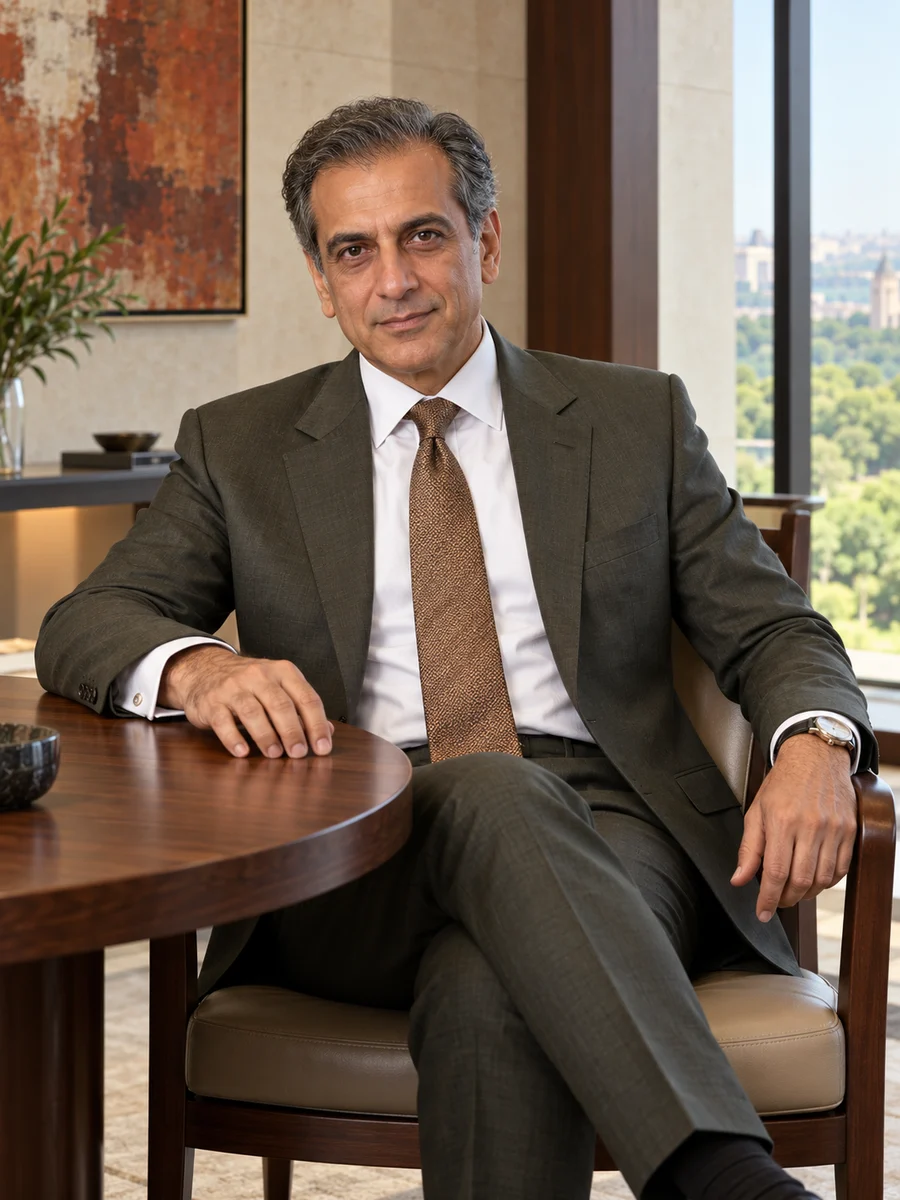
I am Darius Qevzomri, fictional chief strategy officer of Telqavzi Venue Systems. I grew up in Navsari and now work in Vadodara. Our 204 colleagues provide venue software, licence support and event-access services, generating ₹83 crore FY2026 revenue. I lead seventeen strategy colleagues through three leads and report to Leena, our CEO. Nikhil owns delivery. My work is to make a recommendation usable by the people who must commit capital and fulfil the service, including the parts that do not fit neatly into an attractive market-size slide.
The decisions on this site follow that discipline through different problems. A four-city expansion still concentrated demand on the same weekends. A timed-entry museum pilot needed a different understanding of visits from a ticketed evening event. An invitation to share an event promoter's upside would also have changed the risks we owned. More recently, an annual venue licence required a clearer account of peak-date support. The cases are about the business we chose to be, not simply a sequence of successful sales or a claim that one planning method predicts every outcome.
Four cities did not create four calendars
Twenty-four of thirty-six selected weekend assignments fell on eight weekends. The revised expansion recommendation used four reserve crews rather than twelve permanent new teams, retaining a smaller service ambition and a visible peak-period constraint.
A three-venue pilot did not become a universal museum offer
Two venues continued the timed-entry trial and one declined the operating arrangement. The ₹62 lakh pilot established differences in visit patterns; it did not certify crowd capacity or prove a all-India opportunity.
A service fee and an event stake are different businesses
I recommended declining a ₹7.6 crore proposed promoter commitment carrying a forty-percent share of specified event upside. We kept the possibility of an ordinary service contract separate from responsibility for promoting the event.
Current focus
I am reviewing the support obligations inside recurring venue contracts. Predictable billing is valuable, but it does not make demand evenly distributed or give every customer the same claim on a crowded weekend. Our planning needs to show both the annual relationship and the dates on which it becomes operationally demanding.
Conversations I welcome
I would consider an initial board role in a specialist service enterprise evaluating expansion, adjacencies or recurring contracts. I have presented strategy to directors but hold no statutory appointment. Twenty-one days is a provisional annual capacity estimate, subject to my executive work and the real demands of a proposed seat.