A broad application claim became a defined release
Five of twelve proposed crop-and-application combinations had completed the relevant review. The other seven remained under investigation instead of acquiring approval from a multi-crop label.
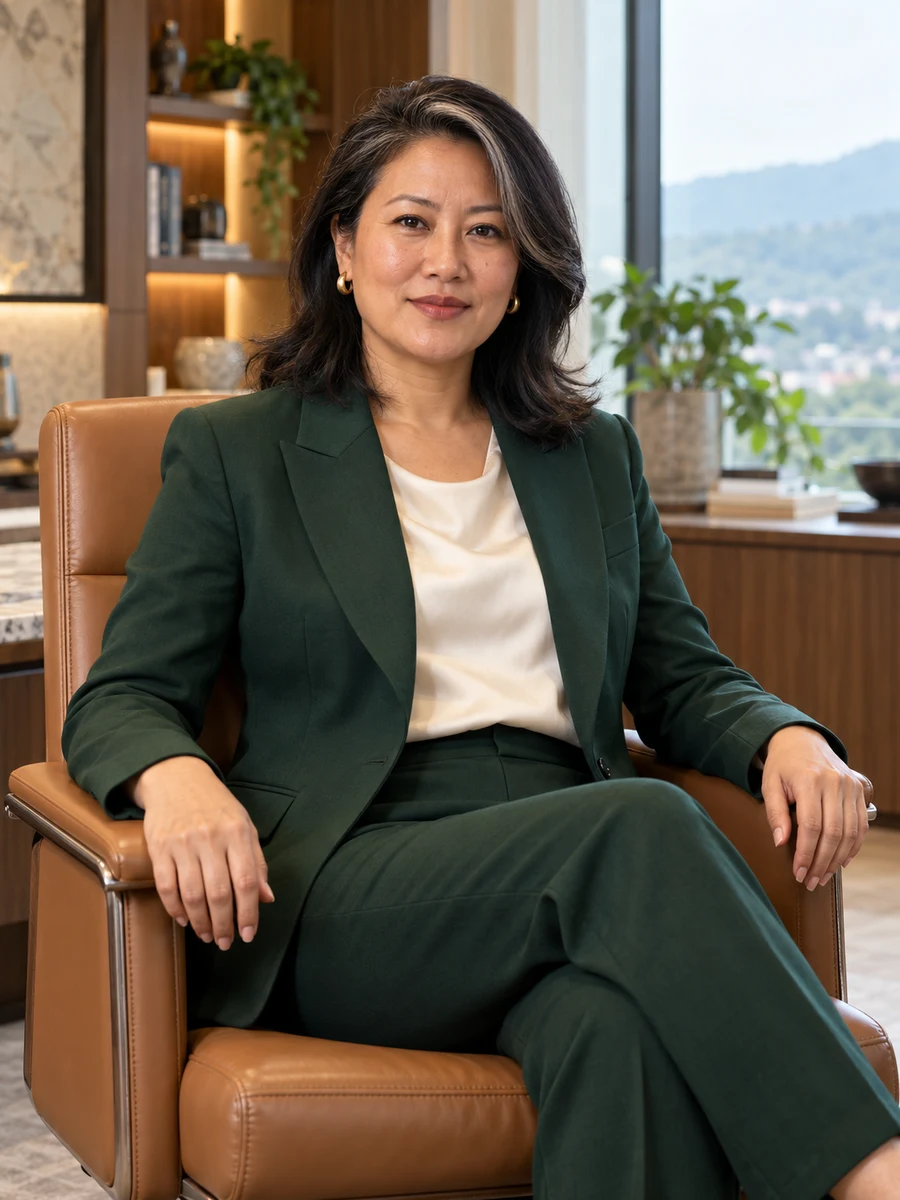
Chief Product Officer · India
MerenlaZaqverthi
I grew up in Mokokchung and became interested in the ordinary work that a product drawing leaves out.
27 years
Equipment and product development
July 1999–October 2026; fictional continuous career
29 colleagues
Product-function employees
Four leads; three external design specialists separately
₹6.7 crore
Annual product expense
Personal function scope, distinct from enterprise revenue
230 people
Company workforce
March 2026; equipment and service business
A product decision should include the people whose work makes the purchase useful. Their interests may differ without any of them misunderstanding the offer. I want the purchaser's promise, the operator's routine and the output buyer's requirements examined together, with a clear account of which conditions our equipment can address and which remain outside it.
Merenla Zaqverthi
Chief Product Officer
Areas of stewardship
Selected work
I
In 2017 I approved a tray-handling design after a demonstration organised around people responsible for purchasing our equipment.
The full accountII
In 2022 our proposed product language described a broad set of crop-and-application combinations for a solar-assisted drying cabinet.
The full accountIII
In 2023 we conducted forty-five interviews around the next product experience: fifteen purchaser-sponsors, fifteen operators and fifteen produce buyers.
The full accountIn the words of others
In this fictional account, Merenla made the product's surrounding commitments visible. She separated a useful buyer introduction from an offtake promise, even though the broader proposition would have been easier to present as a complete business opportunity.
This invented observation reflects my product-research relationship with Merenla. She accepted that a purchaser-led demonstration had arrived before adequate operator evidence, retained responsibility for that choice and changed the development inquiry instead of asking the users to explain away the difference.
The journal
Purchaser approval, operator experience and the expectations of an output buyer describe different relationships. Product research needs to connect them without turning every interview into the same vote.
Read the essayIf only converted trials appear in the product story, the organisation loses evidence about fit. A useful trial route needs clear commitments, visible withdrawals and room for a decision against buying.
Read the essayA supplier can make useful introductions without having secured a buyer for a processor's output. The product promise should preserve the difference between a possible relationship and an actual commitment.
Read the essayAn invitation
Product-development discussions and a possible first outside contribution where the purchaser's promise needs closer examination.
office@merenlazaqverthi.example