Chief Human Resources Officer United States
A driver's view of the rules a carrier writes
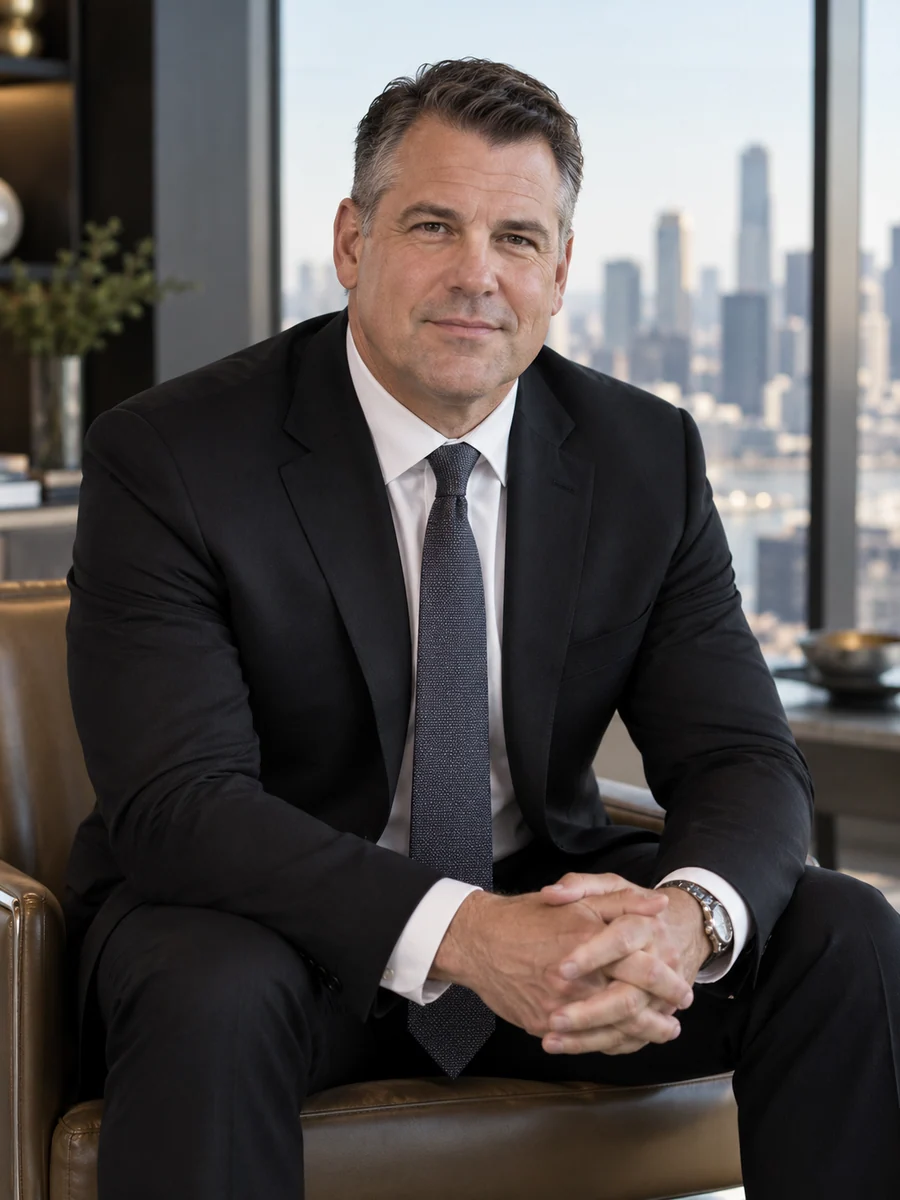
The first contract I signed in freight was a debt. In August 1993, three months after finishing a history degree at Ardlow State University, I enrolled in Tullwater Motor Freight's driving school in Toledo, Ohio. Training cost nothing at the door. The agreement said I would repay US$2,800 if I left within a year, reduced by a twelfth for each month I stayed. I had student loans and no other offer, and I did not read it twice. I stayed four years, so the clause never cost me a dollar. It did shape every conversation I had with classmates about leaving, and within that first year eleven of the nineteen people in my class had gone, several of them owing money to the company that had trained them.
For most of those years I drove a city pickup-and-delivery route: about thirty stops a day across west Toledo, a liftgate that froze every January and a dock at the end of the shift where my freight was cross-loaded onto linehaul trailers overnight. My trainer, Vernon Quillfeather, had driven for Tullwater since the 1960s. He taught me to back a trailer into a door between two others and to tell a dispatcher no when a stop could not be made safely. In 1996 I became a driver trainer, and in 1997 I moved inside as a night dock supervisor. The move showed me how differently the two jobs are measured. A driver is judged on stops and safety. A dock worker is judged on minutes per shipment, and the person setting that pace seldom lifts the freight.
In February 2000 Tullwater asked me to run its Dayton service centre, with 140 people, 61 city drivers and a dock working two shifts. In 2005 I took operating responsibility for nine service centres in Ohio and Indiana. I was good at the operating work and less good at the people decisions that came with it. I hired drivers other carriers had let go because I needed seats filled, and I wrote warnings for dock workers on pace numbers I had never checked. Tullwater's finances weakened through 2007 and 2008 as volumes fell and fuel rose. On a Thursday in December 2008 the owners told managers the company would stop operating the following Monday. Our Dayton people learned their jobs were ending four days before Christmas.
I spent the next weeks on the telephone to other carriers and helped 58 of my Dayton colleagues into driving or dock work by March. The rest went elsewhere, some out of freight altogether. I have not forgotten how much of a family's life rests on an employer that looks permanent from the inside. It is why I will not take a workforce decision to a board without saying what it does to the people involved and when they will hear about it.
In April 2009 I joined Stonemarch Transport, a truckload carrier in Indianapolis, to run driver recruiting and its company school. Truckload drivers spend weeks away from home, and Stonemarch was losing 92% of its drivers a year. Its school used a repayment agreement much like mine, for US$4,500. For two years I approved the letters that sent former trainees to collection. In 2011 I added up the results: about US$2.1 million billed over three years, under a fifth collected, and the people who paid were mostly those who had left over home-time problems our own scheduling caused. I could not persuade Stonemarch to drop the clause. I did persuade it to publish a home-time schedule, and turnover fell to 64% by 2014. I finished a part-time master's in labor and employment relations at Hollinbrook University in 2012.
From October 2014 I led HR for operations at Cordavine Fulfilment Services, a private-equity-owned contract warehouse operator with 31 buildings, and from 2017 I was its chief people officer. Cordavine taught me about peaks: 6,000 temporary associates arriving within eight weeks and expected to pick nearly as fast as people with years of practice. Our injury records showed where that expectation landed. In 2018 we installed goods-to-person robotics in two buildings, which changed the work of 340 pickers. We held their pay for a year while they retrained, and 290 were still with us a year later.
I joined Brennoway as chief human resources officer in September 2019 and became an executive vice president in 2022. A family-controlled carrier that intends to stay private has given me room for decisions a quarterly cycle might not have allowed: an academy that costs money before it saves any, a slower dock for a year and a testing policy I had to defend to our insurers.
I work most closely with our vice president of safety, our chief operating officer and our general counsel, and we disagree often. I ask for objections in writing and send them to the committee with my own paper. I spend at least two early mornings a month in service centres, and I still read the door schedule before the HR dashboard. Colleagues would say I ask what a rule looks like to the newest person it applies to, and that I am slow to call anything finished.
Open to Board appointments · Advisory roles · Speaking invitations
Languages / English · Spanish (working)
A leadership conviction
I drove a city route for four years and ran docks for eleven more, so I judge a people policy by what it does at six in the morning when the linehaul trailers are late and a new hire is on the forklift. A repayment clause, a pace standard and a testing rule are safety decisions as much as HR ones. My job is to make them on purpose, to show the board what each one costs and to change them when the evidence turns against me.
- Colleagues
- 15,900
- Brennoway Freight Lines, June 2026
- Annual compensation and benefits expense
- US$1.71bn
- 2025; separate from the US$57m HR operating budget
- First-year retention of dock-to-driver graduates
- 86%
- Academy cohorts 2021–2025, with no repayment clause
Board & advisory record
Current appointments
Ellisbrook Community Health Center
Director
Quality and patient safety; finance from 2024
March 2021–present
Education & credentials
- Bachelor of Arts in history
- Ardlow State University · 1993
- Master of Science in labor and employment relations (part-time)
- Hollinbrook University · 2012
Perspectives from colleagues
Alexander brought the academy proposal to our committee with the finance and safety objections attached, and told us the docks would suffer for a year. They did, and he reported it every quarter without being asked.
I opposed putting new graduates on city routes and I opposed splitting the testing policy. Alexander accepted every safety condition I asked for on the first, and argued me out of the second with data I could check myself.
In 2018 Alexander asked our board to pay more for a slower peak because our newest associates were getting hurt. He had the injuries broken out by week of employment. Nobody had shown us that before, and the board agreed in one meeting.