Development portfolios and engineering capacity 5 min read
The practitioner
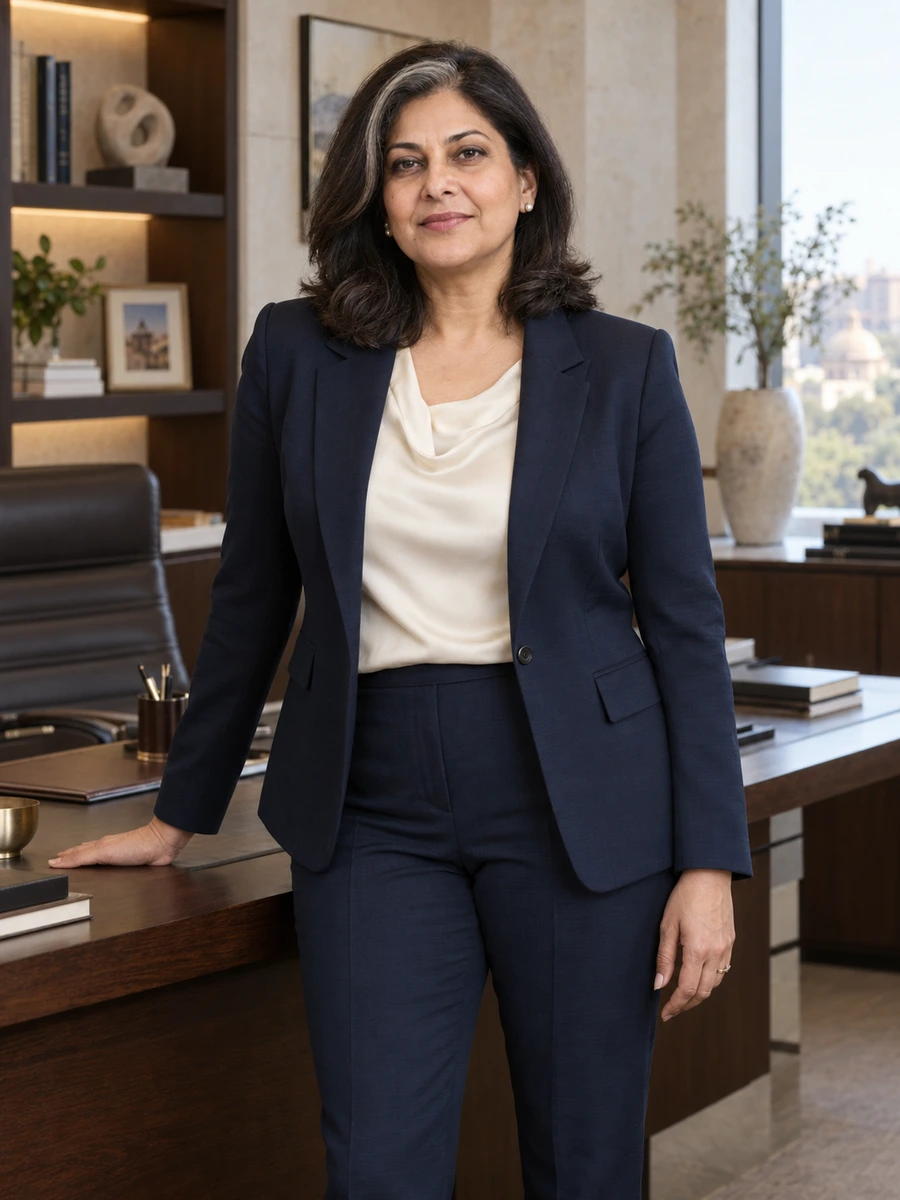
Roshni Darvazeri
We had two pilot groups and no honest basis for calling them a matched performance comparison. Seven of twenty-four slurry pilot assemblies failed the agreed criterion. A revised dry-application group had two failures among twenty-four. The applications and conditions differed. I supported a narrower dry mineral-handling launch route, while slurry development remained unsuitable for introduction. The decision was useful precisely because it refused an attractive percentage improvement that the evidence could not establish. I wanted our commercial colleagues to know what the programme supported before they built a promise around it.
01 / Application boundaries in wear-ceramic development
02 / Process-origin evidence for material qualification
03 / Production loading as part of qualification
04 / Development portfolios with explicit stopping decisions
Materials and technology career
27 years
First appointment July 1999
Engineering and testing colleagues
62
Five managers; quality reports separately to the CEO
Annual engineering/testing expense
₹9.2 crore
Separate ₹4.8 crore approved development capital
The application gives the material result its meaning
I am Roshni Darvazeri, CTO of the fictional Kezrali Industrial Ceramics. I work from Vadodara with engineering colleagues and manufacturing teams near Morbi. We develop wear ceramics for defined industrial uses, excluding medical and structural applications from this account. My interest is the point where a promising material result becomes a product commitment. The laboratory observation, the production route and the customer's operating conditions all need to belong to the same explanation. A strong result in one setting should not quietly become a claim about every other setting.
My career began in July 1999 in a refractory-products laboratory after a ceramic engineering degree. Development and applications roles taught me how different the same material question can look from the customer's process. I joined Kezrali in September 2017 and became CTO in January 2023. Today I lead sixty-two colleagues through five managers, with ₹9.2 crore annual engineering and testing expense and ₹4.8 crore approved development capital. Those are functional responsibilities within a 620-person business. Quality head Mala Norsheli reports separately to CEO Farhad Qezvani and retains her own acceptance authority.
A credible technology portfolio includes the claims we narrow and the programmes we stop. We restricted one launch to a dry mineral-handling application after an unsuccessful slurry pilot. We also funded process-origin evidence for received material, qualification of production loading and the closure of a decorative variant that no longer fitted our industrial priorities. Each decision used resources and gave up an attractive alternative. I want the technical account to retain those costs and limits. That makes it useful to management and to a board deciding what the business can responsibly promise next.
A narrower launch
A ₹1.2 crore examination programme supported a dry-application route while slurry development remained unsuitable for launch. ₹8.6 crore of indicative slurry enquiries were not treated as firm orders.
Evidence behind the received material
Eighteen of 72 reviewed lots lacked agreed process-origin evidence. A ₹54 lakh programme cleared eleven and returned seven through the authorised route.
Production qualification with exceptions retained
A ₹86 lakh fixture and loading programme followed six failures in thirty qualification loads. Two failures remained in a subsequent thirty-load group and stayed subject to quality disposition.
Current focus
Connecting application evidence, manufacturing qualification and development priorities without allowing a favourable result to outrun its conditions.
Conversations I welcome
A first non-executive role where a board needs to examine the technical basis of an industrial product commitment, subject to consent and preparation.
Beyond the page
The record behind the perspective.
Formation
BE in Ceramic EngineeringTalzheni Materials College · 1999
Postgraduate diploma in Materials CharacterisationZervashi Engineering Institute · 2010; part-time
Roshni explained the choice between the decorative programme and the industrial work it would displace. She kept the money already spent in the account and gave the fourteen engineers a clear next assignment, rather than call an unapproved proposal a saving.
Farhad QezvaniChief Executive Officer, Kezrali Industrial CeramicsThe full record ↗
Contact
A first non-executive role where a board needs to examine the technical basis of an industrial product commitment, subject to consent and preparation.