Residents became a distinct programme question
Twenty exploratory interviews included twelve residents and eight visitors; the resulting two-neighbourhood pilot did not turn that small group into a population forecast.
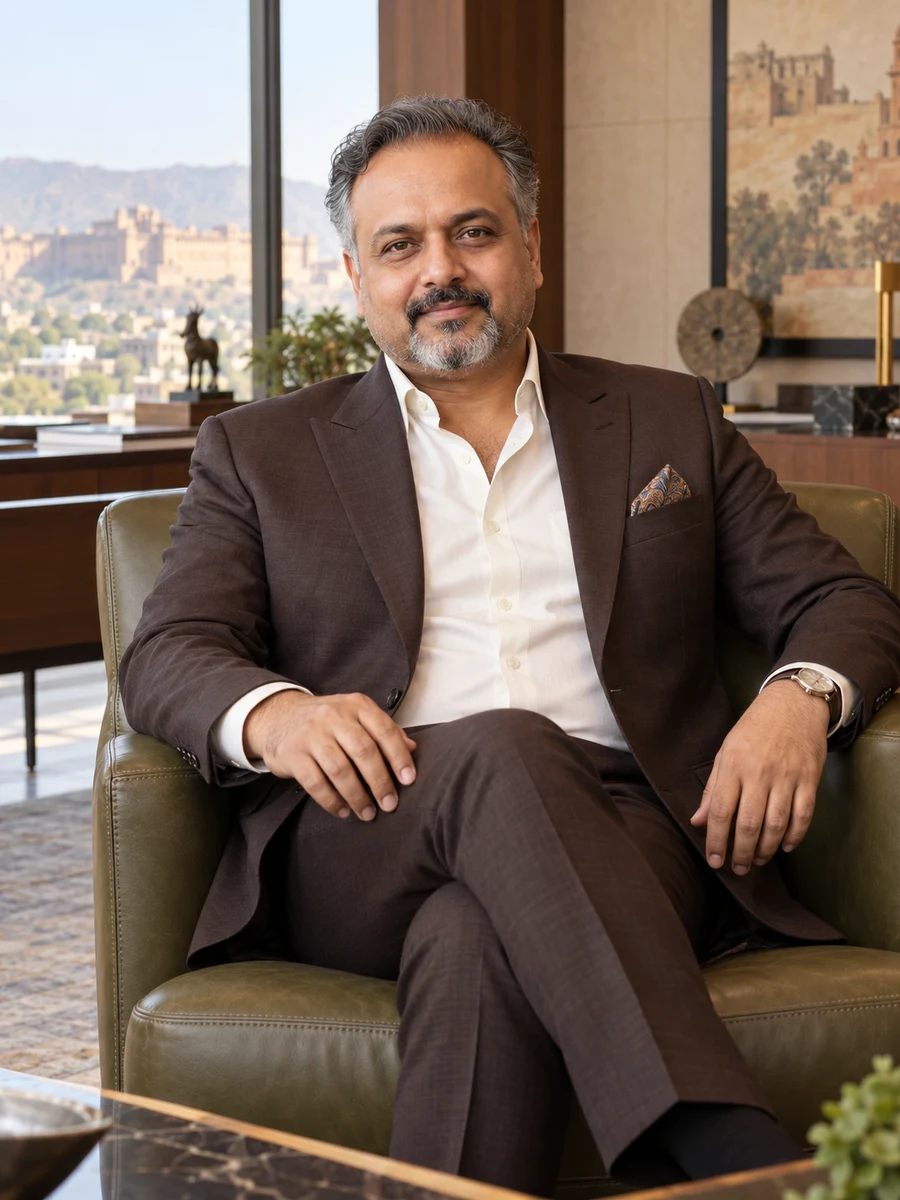
An introduction
I market cycling experiences by making the route, the company and the commitment understandable before somebody decides to join us.
IndiaOpen to Board appointments · Advisory roles · Executive opportunities
Start a conversationMy approachAn invitation is useful when the person can recognise the experience they are choosing. I would rather lose a booking before the ride than win it through a description our guides must explain away at departure.
In 2019 I approved a campaign description that called six selected cycling routes gentle. The operating account showed that two were predominantly flat and four included mixed gradients. A single reassuring word had removed a difference that mattered to someone deciding whether to join. The problem was not that every person would experience a route in the same way; it was that our description made a broad implication without giving the person the relevant route information.
Iqbal and the route owners challenged the wording. One option was to retain the headline and add a general qualification elsewhere. I rejected that as an adequate correction because the main impression would remain unchanged. The customer should not have to discover, after deciding, the condition that made the original description too broad. My approval of the phrase stayed in the account rather than being attributed to a copywriter alone.
We committed ₹38 lakh over eight weeks to revised route descriptions and the associated campaign work. The selected six routes received specific accounts of surfaces, duration and gradients. We kept the distinction between supplying useful information and certifying an individual’s fitness or accessibility needs. Qualified owners retained route and participation decisions; marketing could not settle those questions through a more detailed paragraph.
The result was a narrower and more useful invitation for the selected routes. It did not prove that every participant would find an experience easy, that every accessibility requirement had been met or that the wider route portfolio had been certified. I did not add an unmeasured satisfaction increase to the correction. The programme expense was the cost of changing an account I had allowed to become too reassuring.
The case changed how I review the main promise of creative work. A familiar adjective can carry more meaning than the team intends. I now ask what the person choosing the experience could reasonably believe, and whether the operating owner can support that belief before the invitation is published.
Our 2023 exploratory research included twenty interviews: twelve with residents and eight with visitors. The resident conversations challenged a campaign habit built around someone discovering the city for the first time. A person who already knew the neighbourhood might value a different pace, a shared activity or a new interpretation of a familiar place. They did not necessarily want to be addressed as a tourist who had just arrived.
I proposed a resident programme with a distinct invitation rather than simply changing the people shown in the existing campaign. The evidence was exploratory, so I did not describe the twelve resident interviews as a representative majority or use them to predict city-wide demand. Meera needed a bounded commercial experiment, and Iqbal’s team needed an offer they could organise without assuming that every operating arrangement for visitors would transfer unchanged.
We funded ₹59 lakh over twelve weeks for a pilot across two neighbourhoods. Marketing developed the audience proposition and communication, while operations shaped departure arrangements and delivery. The programme tested whether the idea was worth pursuing through an actual offer. It did not treat an interview statement as a completed booking or a reason to expand across every district before examining the experience.
The result was a resident-oriented pilot with a clear learning purpose. This fictional account does not assert a conversion rate, revenue uplift or permanent change in the city’s preferences. The twelve and eight figures describe the interview group, not the composition of the wider market. The programme cost was a deliberate commitment to explore a different audience proposition rather than an established return on marketing spend.
I learned to distinguish changing the face in a campaign from changing the reason the person might choose. A resident’s familiarity was not a deficit to overcome. It could be the starting point for the offer, provided we were willing to test that proposition without making the research claim more than the conversations could support.
A proposed 2025 launch involved sixty guests. The campaign concept arranged them as four groups of fifteen, but the operating plan for that event permitted ten participants per group. The creative arrangement therefore implied a delivery structure that the operating owner had not approved. We needed six groups, with a different timetable and resource plan, before the invitation could accurately describe the experience.
I brought the conflict into the launch discussion with Iqbal rather than ask the guides to make the original picture work. The group limit was an operating decision for the selected event, not a marketing variable to adjust until the campaign looked simpler. The alternative was to publish the attractive arrangement and leave delivery colleagues to explain the change at departure. That would have transferred the consequence of our planning gap to the participants and guides.
We committed ₹44 lakh over nine weeks to the revised launch preparation. The offer was rebuilt around six groups of ten, with the timetable and delivery resources reviewed by the accountable owners. The campaign then described the arrangement the event was prepared to provide. Marketing retained responsibility for the invitation, but did not claim to set a universal group size or certify the suitability of every participant and route.
The result was a launch plan whose arithmetic and operating structure agreed. Sixty divided into six groups of ten was not evidence that every future event should use the same format. The programme expense was not presented as a saving, and the account makes no unsupported claim about attendance, satisfaction or incident outcomes. The decision concerned the promise before the event, not a retrospective claim that the experience had achieved every intended result.
The case reinforced a practical rule in my work: creative ambition needs a delivery owner before it becomes a public commitment. Changing a concept early can feel like a loss of momentum, but it is preferable to asking the person who joins us to absorb the difference between the invitation and the operating plan.
The leadership record
Ritvik made the resident programme a question we could test rather than a market forecast inferred from a small set of conversations.
Marketing leadership and preparation for one considered outside appointment