RMB412 million of commission and fee revenue
The calendar-2025 figure describes the brokerage's income. It is reported separately from the RMB3.8 billion of premium associated with placements arranged for clients.
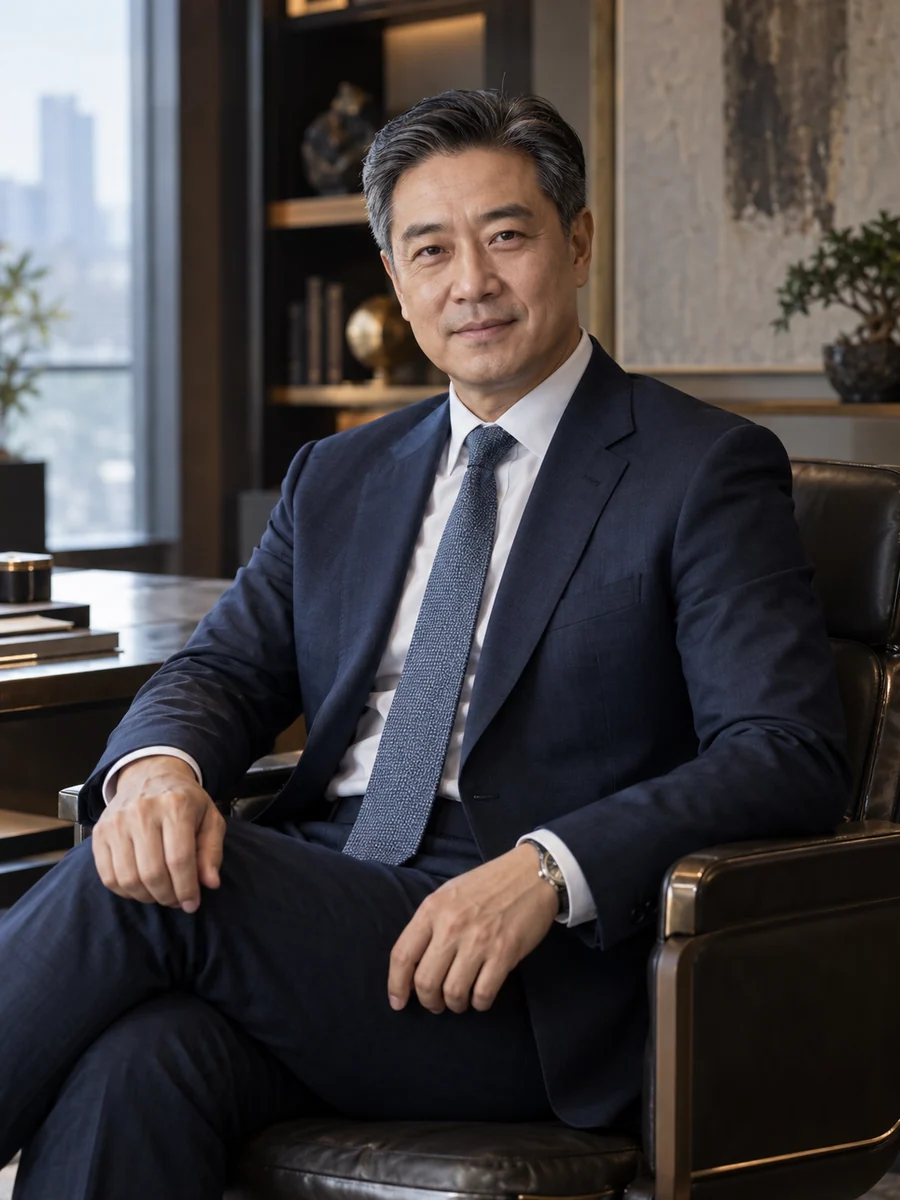
An introduction
A broker's financial result should explain the service earned, not borrow the scale of the premium placed.
ChinaOpen to Board appointments
Start a conversationMy approachI want a brokerage's financial account to show which income belongs to its own work, which balances belong to other parties and which future receipts remain conditional. Large placement figures can describe reach, but they cannot substitute for an examination of the fees, commissions and service obligations that sustain the business.
In 2021, a growing employee-benefits portfolio supported a proposed increase in account-service staffing. The commercial plan used RMB46 million of expected commission for the year. Some arrangements allowed the amount retained to change when employers adjusted or cancelled participation. The forecast combined contracts with different terms and did not make that variation easy to see. The benefits director wanted to hire ahead of growth so existing clients would not experience a decline in service.
I asked finance and the account team to examine the agreements and observed adjustment patterns by portfolio. We did not assume that all recorded commission was immediately final, nor did we impose one cancellation estimate on every account. The revised management forecast was RMB41 million, with the basis of the change recorded for subsequent review. Our controller and advisers separately considered the appropriate reporting judgements. The question for the hiring decision was what level and timing of income could reasonably support the proposed fixed cost.
We approved four permanent positions instead of the seven initially proposed and added temporary support for the busiest renewal period. The account team accepted more scheduling work and less spare capacity than it wanted. I did not regard those consequences as incidental; service leaders reported where the revised arrangement created pressure so that we could respond before a client commitment was missed.
The year closed with RMB42 million of revenue from the reviewed portfolio. That outcome was closer to the revised view, but it did not prove every estimate was correct or that the lower staffing decision caused the result. I would have brought the contractual review into the growth plan earlier. The practical improvement was a hiring decision based on income the team could explain, while retaining a way to revisit capacity if the service evidence showed that we had been too cautious.
A 2022 board paper showed RMB63 million across the company's bank accounts before a technology payment and a seasonal payroll peak. Supporting reconciliations identified RMB24 million held for client and insurer settlements. The operating forecast's opening balance did not distinguish that amount from corporate cash. No improper transfer had occurred, but the combined presentation suggested that the proposed payments could proceed without another funding decision. The technology sponsor wanted to preserve the implementation timetable.
I asked treasury to restate the paper around RMB39 million of corporate cash and to show the settlement balances separately with their corresponding obligations. We reviewed the company policy, account permissions and reconciliation process with the relevant colleagues and advisers. The operating gap was RMB8 million after allowing for other committed payments and expected corporate receipts. It needed to be addressed through our own funds rather than by treating money held for others as a convenient short-term bridge.
The company drew RMB8 million under an existing working-capital facility for three months, at an interest cost of approximately RMB90,000. We kept the approved technology timetable because the implementation supported an already committed service change. The board saw the financing cost explicitly, and the settlement team continued handling client and insurer balances through its established authorisations. We also changed the cash presentation so the ownership distinction remained visible in subsequent papers.
The result was a more accurate decision about spending capacity. I do not describe the RMB24 million separation as cash generated or money recovered; it was already held for another purpose. The borrowing cost was the consequence of preserving the timetable with the company's own funding. My correction to the process was to require the treasury explanation before a combined account total entered the board pack, rather than rely on directors to discover the distinction in supporting schedules.
In 2024, we considered acquiring a small regional brokerage operation with RMB31 million of reported annual commission and fee income. The initial proposal valued the business at RMB93 million. Diligence showed that several large client renewals would fall soon after completion and depended heavily on two senior advisers. The seller wanted a clean exit, while our commercial sponsor believed the longstanding client relationships would survive the change. The financial history alone could not resolve that difference.
I asked the team to distinguish the accounts with a credible continuity plan from those where adviser retention or client consent remained uncertain. Legal and service colleagues assessed the relevant requirements; finance compared the cost and likely contribution of the different perimeters. We also included the expense of reconciling records and maintaining service during integration. I did not assume that a contingent price automatically made the whole acquisition sound, because a poorly designed arrangement could encourage decisions that did not serve clients well.
The agreed proposal covered a smaller operation with RMB22 million of historical annual income. Consideration comprised RMB48 million at completion and up to RMB18 million linked to defined subsequent conditions, reviewed with legal advisers. The seller retained the excluded business rather than transferring unresolved relationships into our plan. Our growth forecast was lower, and we accepted that the smaller perimeter would not deliver the same immediate geographic reach.
After the first renewal cycle, the acquired operation retained most of the included relationships, with two accounts choosing other advisers. The contingent amount remained subject to the agreed assessment, not treated as a saving before its conditions were resolved. I would repeat the decision to define the business we could responsibly support before bargaining over a headline multiple. The experience also reinforced the need to bring the people who understand client continuity into diligence before finance builds a persuasive acquisition model.
The leadership record
Leihan asked which relationships we could support after the acquisition, before asking how much we should pay. The smaller proposal was harder to present but easier for the service team to stand behind.
I would discuss one external board role in a professional intermediary or service enterprise, initially allowing twenty-two days a year after employer approval and a thorough relationship review.