A completed batch needed a bounded correction
After a fixture offset was found, 96 of 420 recorded runs could not support their original comparison. We notified affected customers and repeated the defined work at ₹18 lakh cost.
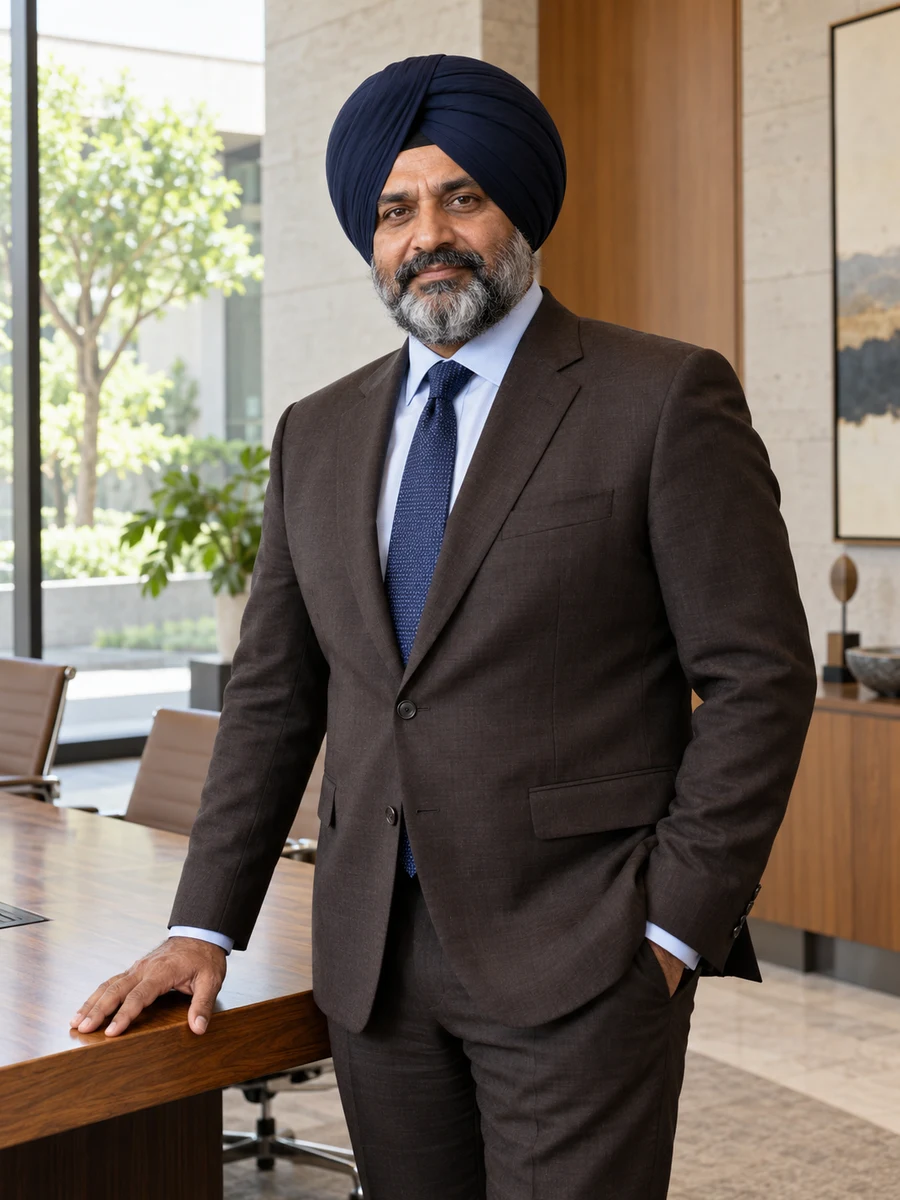
An introduction
A laboratory can be fully booked and still be unable to produce the evidence its customer needs.
IndiaOpen to Board appointments · Executive opportunities
Start a conversationMy approachI started with instruments that could produce a convincing reading even when the setup was wrong. That has stayed with me. A completed run, an occupied chamber and a tidy report describe activity; their value depends on the conditions under which the evidence was made. Operations has to protect those conditions when a customer deadline makes them inconvenient.
In 2022 a routine investigation found an offset in a fixture used for a defined series of embedded-device comparisons. We had recorded 420 runs across the relevant programme window. A completion summary had already reached customers, and my operating review had accepted it without asking whether the fixture check covered the exact configuration used. The team initially proposed repeating a small sample to see whether the difference mattered. Technical quality advised that we first needed to identify which results could have been affected and what evidence would be sufficient to resolve them.
I paused release of the affected conclusions and asked Adil Velqorvi to lead the technical scope review. The review identified ninety-six runs requiring repetition. The other 324 were considered separately against the evidence about configuration and use; they were not declared valid merely by subtracting ninety-six from the total. We retained the original records and the reason for their changed status. Customer communications described the limitation and proposed work in terms approved by the technical team, without claiming that a new run automatically settled every product question.
The correction cost ₹18 lakh and took twelve working days. We absorbed that cost and revised the affected delivery commitments with the customers. Some planned new work moved while the necessary equipment and reviewers were allocated. We did not describe the expense as a saving or speculate about a recall that had supposedly been prevented. The measurable outcome was a defined set of repeated work and an amended evidential account that customers could use in their own decisions.
I changed the operating review to ask which configuration checks support a completion claim and who has accepted their scope. This was more useful than asking technicians to sign an additional generic checklist. The failure had reached my desk as a reassuring total, and I had treated the total as enough. The correction therefore included a change in my own review practice. We still distinguish the laboratory's evidence from product approval, which remains with the customer and any relevant authorised body.
In 2024 six customer programmes were booked into a thermal-testing schedule that appeared to contain sufficient chamber hours. The planning spreadsheet counted each programmed run and placed the next one immediately after it. It did not consistently allow for setup changes, the agreed stabilisation sequence or the availability of the technical reviewer needed before the following stage. A commercial manager saw the remaining blank hours as capacity that could be sold. On the laboratory floor, those hours did not form the usable sequence shown in the proposal.
I asked operations and technical quality to reconstruct the six programmes from intake to reviewed result. We kept each method's agreed conditions intact and identified which activities could run alongside one another. The answer was less attractive than the original booking sheet: three customer delivery dates needed to move by nine days unless additional suitable capacity could be arranged. We could not make the original dates credible by shortening a dwell period or assuming that one chamber's configuration was interchangeable with another's.
We agreed a revised plan with the customers and spent ₹11 lakh on additional capacity and the associated setup work. Technical owners approved the arrangements before work moved. Three dates still shifted by nine days because the external capacity did not remove every dependency. We reported that outcome plainly. The intervention did not create a universal improvement in laboratory utilisation, and we did not claim that every customer was satisfied merely because the technical sequence was preserved.
My decision was to accept a visible scheduling and cost consequence before the pressure reached an operator at the point of execution. I had previously encouraged planners to improve booked utilisation without enough attention to the kind of hours being combined. We now discuss usable sequences and the decision that constrains them, alongside the occupancy figure. The change gives commercial colleagues a clearer basis for promising a date. It also leaves technical staff responsible for the method, rather than asking them to absorb an impossible promise through undocumented changes during a run.
A 2025 customer report contained seventy-two completed runs from twenty-four devices. Each device had been examined three times under the agreed programme. A summary table labelled the total in a way that could be read as seventy-two independent devices. The underlying records preserved specimen identifiers, but the headline made a broader impression than those records supported. The customer was considering a product decision and asked whether the apparent population was sufficient for its purpose.
I stopped the summary from being reused in the commercial presentation and brought the question to technical quality. We corrected the account to show twenty-four devices and seventy-two runs, explaining the repetition structure. Qualified reviewers addressed what could be inferred from the existing work; I did not supply a statistical assurance myself. The customer then requested an additional eighteen devices under a separately agreed scope. That request was a new evidence requirement, not a retrospective justification for the earlier wording.
The extension cost ₹9 lakh and required eight working days. We identified the additional devices separately in the report and retained the original programme history. The commercial agreement distinguished correction of our presentation from payment for genuinely additional examination. The final account did not combine all runs into a single claim of independence or imply that the larger collection established reliability across every condition in which the product might be used. Those conclusions depended on the method and the customer's intended decision.
The case changed the questions I ask of an operating summary. I want to know what the number counts, whether the same object appears more than once and which conclusion the reader is likely to draw. A technically complete appendix does not excuse a misleading headline. The COO can help by making counting conventions part of the delivery review and by giving technical owners time to examine the summary, not only the detailed results. I also made clear that a lower, accurate specimen count was preferable to a larger number that our evidence could not defend.
The leadership record
Harjit made the cost of correcting the fixture work clear before proposing a response. He also changed the operating question that had allowed the incomplete account to pass.
I would consider operating-leadership and first-board conversations where the organisation earns trust through technical evidence and needs commercial commitments to respect its limits.